
Last updated November 15, 2026
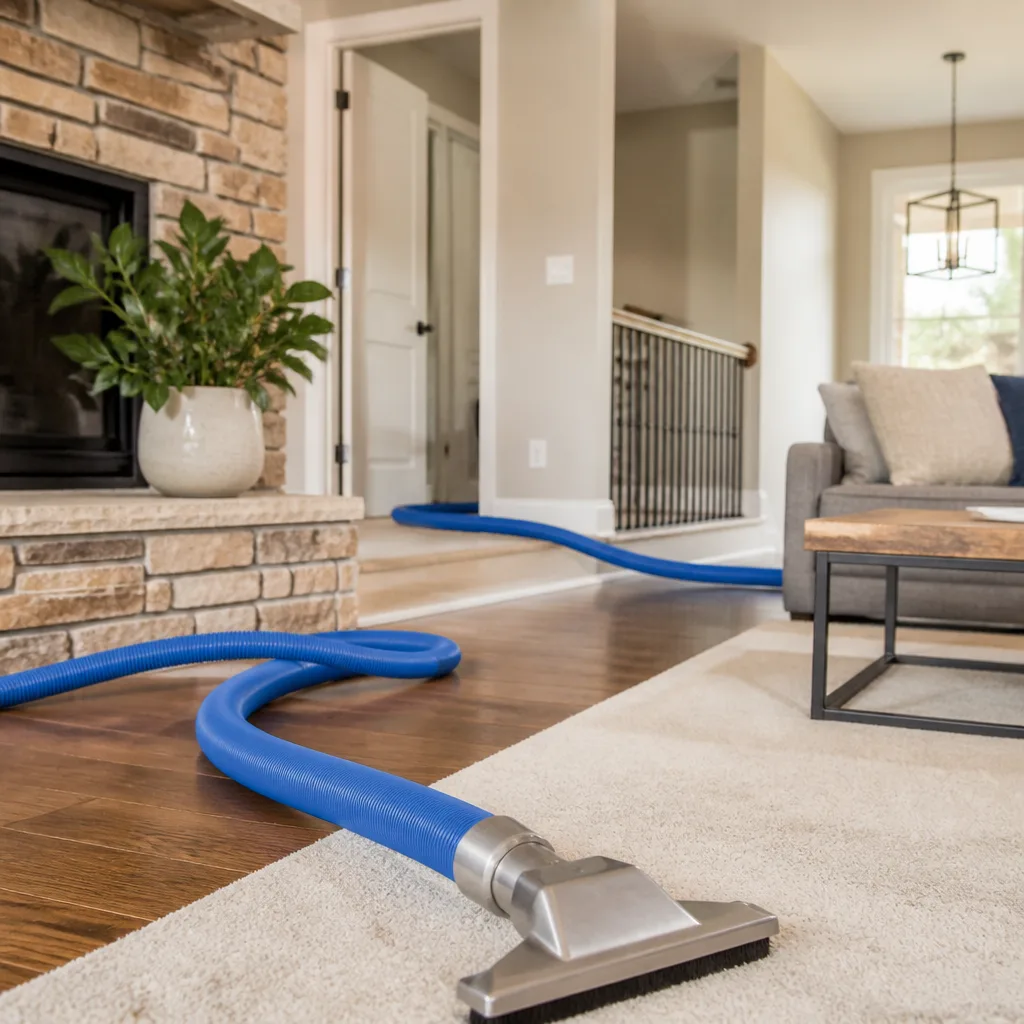 Whole-home duct cleaning
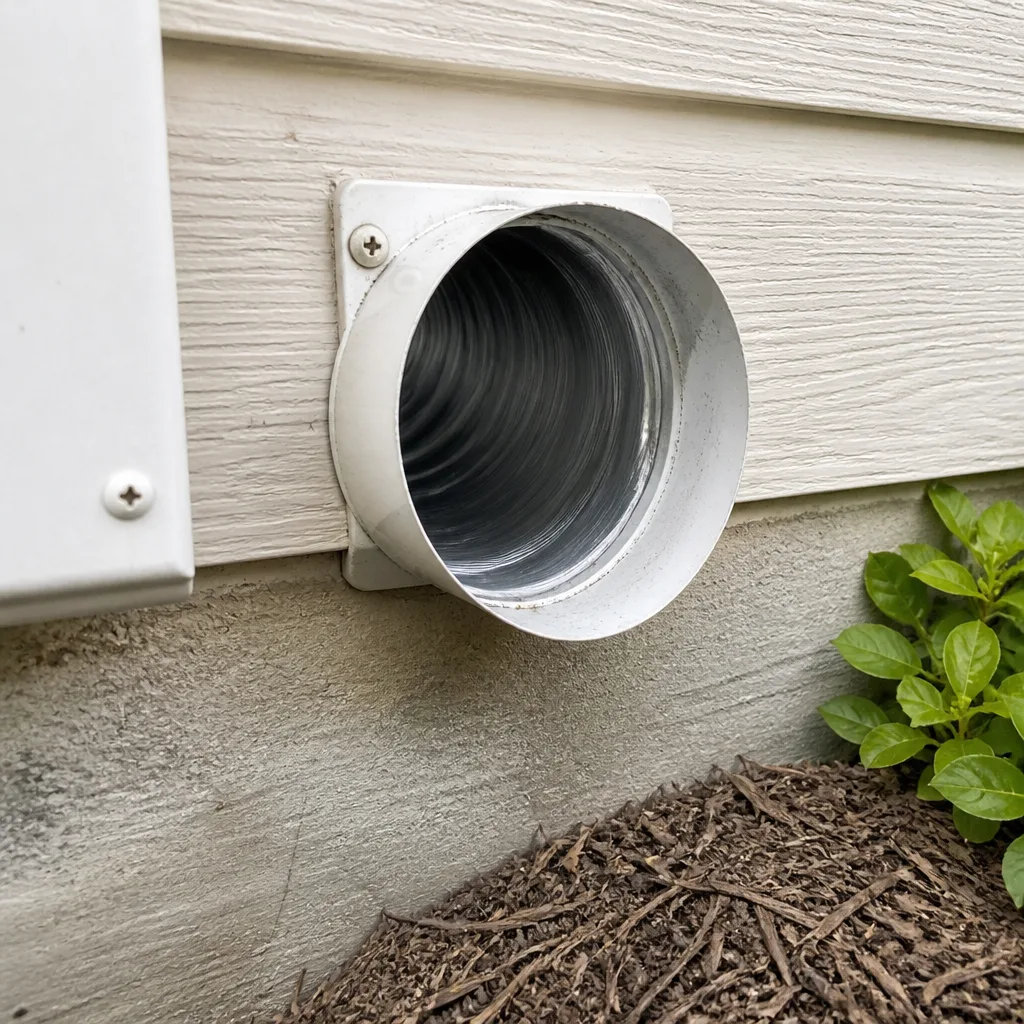 Dryer vent cleaning
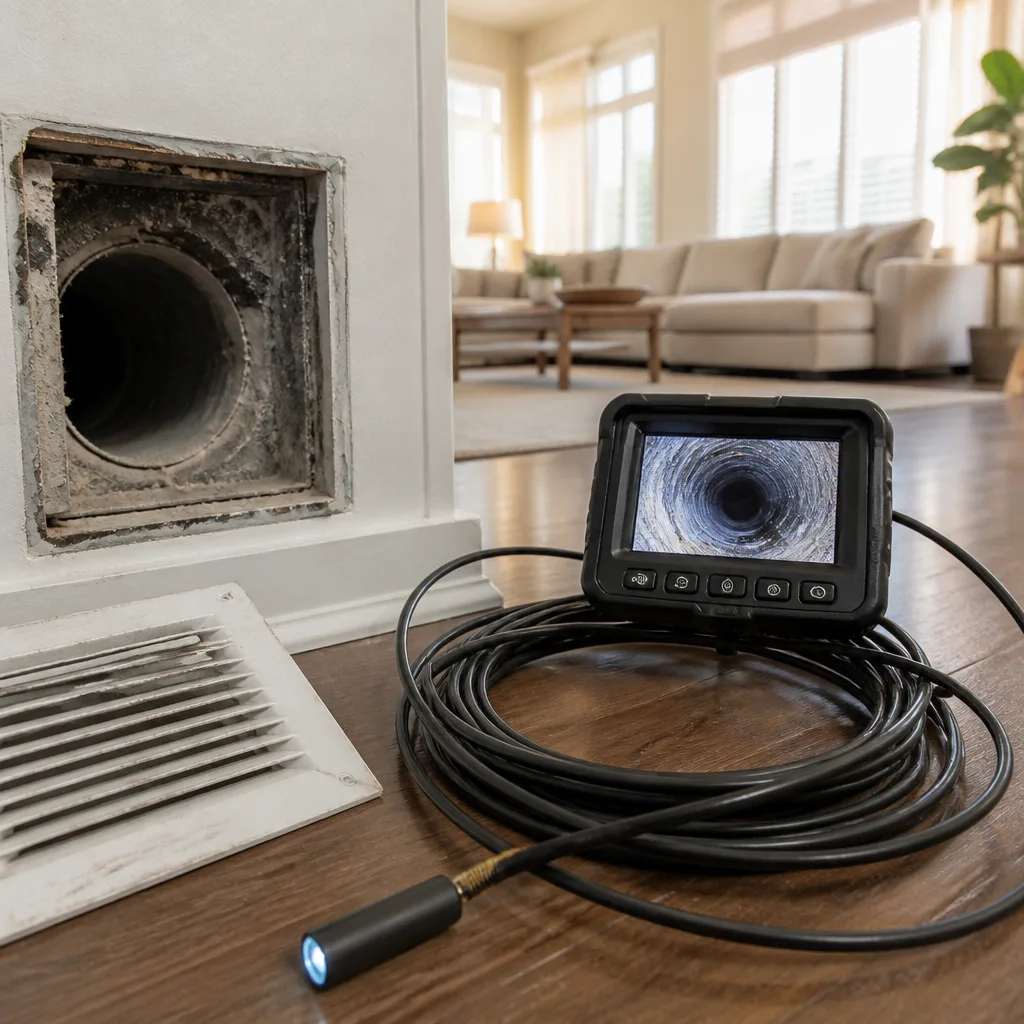 Camera inspection
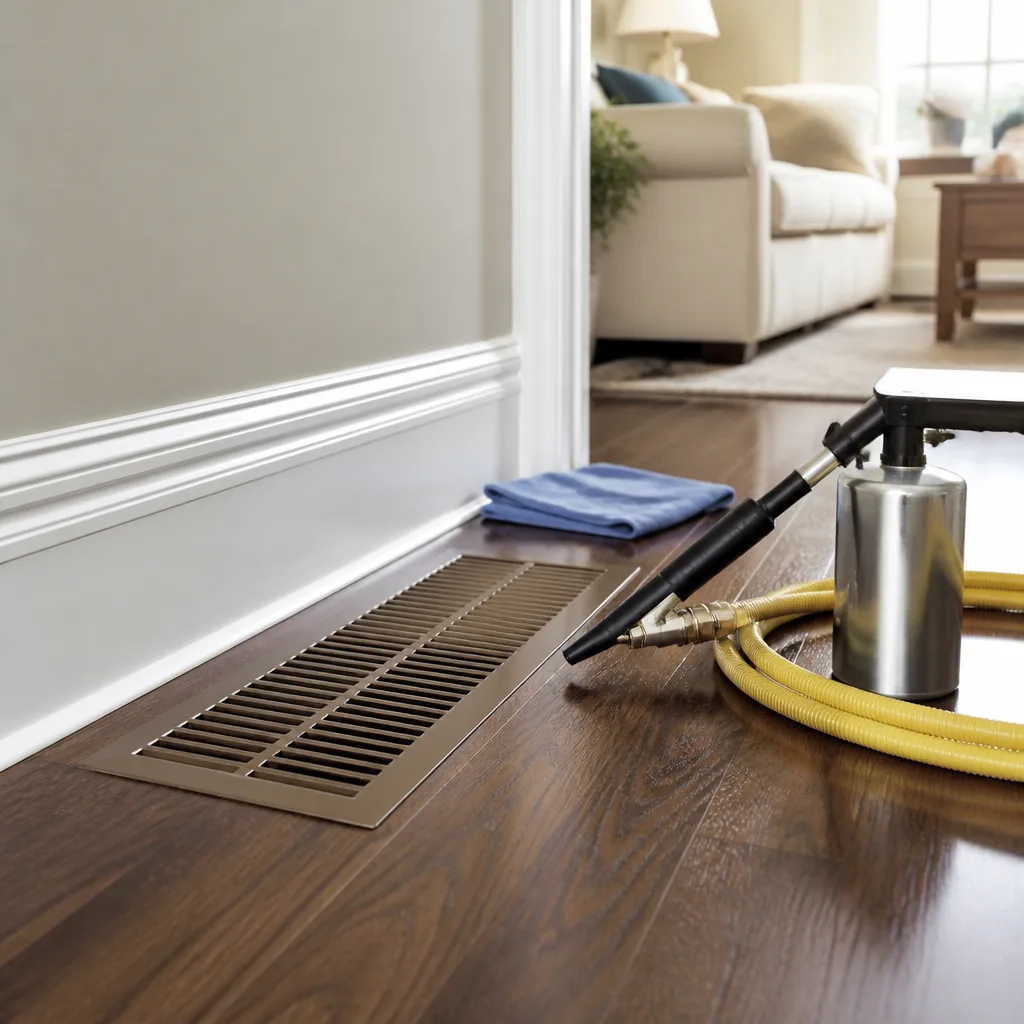 Sanitizing & deodorizing
Whole-system duct and dryer vent check with before-and-after photos - you see exactly what came out of your vents
That "$99 whole-house special" is a bait ad - the real number appears once they are in your hallway, or the "clean" is a shop-vac at the register. We photograph the inside of your ducts before and after instead.
Air Duct Cleaning Warning Signs: An El Paso Homeowner’s Reference Guide
Every El Paso home gets visible dust at its registers after a wind event. That’s not a warning sign, that’s Tuesday. The generic symptom lists you’ll find online don’t account for the fact that we live in a desert city where dust is a daily companion, not an anomaly. So homeowners here end up in one of two traps: panicking over normal surface dust, or ignoring real buildup because they’ve been told “a little dust is fine.” This guide calibrates each warning sign against normal El Paso operating conditions, so you can tell the difference. You’ll learn flashlight inspection techniques, odor profiles, airflow diagnostics, and what post-evaporative-cooling duct damage looks like.
Quick Answer
The real warning signs of dirty ducts in El Paso are packed debris inside the register boot (not just dust on the grille), a mineral or musty odor that lingers when the system runs, uneven airflow between rooms, allergy symptoms that worsen indoors, and residual scale or rust in homes converted from evaporative cooling. Surface dust after a windstorm is normal. Debris that stays after you wipe is not.
Styles & brands we work with
- Whole-home duct cleaning
- Dryer vent cleaning
- Camera inspection
- Sanitizing & deodorizing
Table of Contents
- Flashlight Test: Surface Dust Versus Packed Duct Debris
- What Your Ducts Smell Like and What It Means
- Airflow Changes: Duct Blockage or Failing Equipment?
- Allergy Symptom Timing Inside the Home
- Warning Signs After Evaporative Cooling Conversion
- Dryer Vent Warning Signs You Should Never Ignore
- When Cleaning Isn’t Enough: Duct Repair Signals
- Common Mistakes to Avoid
Flashlight Test: Surface Dust Versus Packed Duct Debris
The single most useful diagnostic tool you own is a flashlight. What separates a normal El Paso register from one that needs service isn’t the dust on the grille. It’s what’s happening behind it, inside the metal boot where the duct meets the room. Here’s how to tell.
Remove a register grille with a screwdriver. Don’t force anything; most are held by two quarter-inch screws. Shine a light straight up or down into the boot. You’re looking for three different conditions:
- Loose surface dust on the grille only. Normal. Wipe it off. This is what every El Paso home collects between wind events and regular filter changes.
- Fine, even film coating the inside of the boot. Borderline. This is dust that has started to settle but hasn’t packed in yet. It’s worth watching and inspecting again in a few months.
- Thick, greyish-brown crust or clumps clinging to the boot walls. Service indicator. This is the caliche-adjacent mineral dust that’s typical of El Paso duct systems. It doesn’t blow out on its own; it needs rotary-brush agitation to break the bond.
One note: caliche soil dust is dense. Unlike the fluffy lint you’d see in a humid climate, it binds to metal. When we find this condition, the fix is mechanical, not vacuum-only. Our technicians run Rotobrush rotary-brush systems that physically scrub the duct wall, then Nikro negative-pressure equipment captures the dislodged material at the source. That’s the difference between actually removing buildup and simply redistributing it through the room.
Inspect at least three registers, ideally one on each end of the home and one in the middle. If all three show packed debris, the whole system likely needs attention. If only one does, that run may be the culprit.
What Your Ducts Smell Like and What It Means
Smell is the most underrated diagnostic tool in air quality work. In El Paso, three distinct odors point to three distinct causes, and confusing them sends homeowners in the wrong direction. Pay attention to what the air smells like when the system first kicks on after being off for a while; that’s when the most information is available.
The three El Paso duct odor profiles
- Dry, chalky, mineral-dust smell. This is the most common odor for El Paso homes and it’s a sign of accumulated desert dust and construction debris sitting on duct walls. It’s not a biological problem. It’s just buildup. Cleaning resolves it.
- Musty, cellarlike, or damp-unpleasant smell. That’s biological growth. In a desert climate, this typically comes from a moisture source: a condensation issue on the evaporator coil, a previous evaporative cooler still weeping water into the system, or a leak somewhere along the duct run. Cleaning helps, but the moisture source has to be found or the problem returns.
- Sharp, ammonialike, or waste odor. Rodent intrusion. This warrants an immediate inspection, not just cleaning. Rodent activity in ductwork leaves droppings and contamination that needs to be assessed and addressed properly, including sealing entry points. Cleaning alone won’t solve it.
Why the first few minutes matter
A duct system that smells faintly of dust all the time is different from one that produces a burst of odor when the fan starts. The first scenario usually means the smell is coming from the room the register serves. The second means it’s coming from inside the ductwork and getting pushed out. Both warrant inspection, but only the second is a duct-cleaning signal.
If the odor is musty or ammonialike, don’t mask it with air fresheners. Note when it appears, how long it lasts, and call for an inspection. If it’s the dry mineral smell, you have some time, but the buildup is doing its slow damage either way.
Airflow Changes: Duct Blockage or Failing Equipment?
Reduced airflow is the symptom that sends the most El Paso homeowners to the wrong trade. They call an HVAC repair company because a room feels weak, and they get a system tune-up when the real issue was a crushed duct run or a debris-clogged boot. Here’s how to tell which is which before you pick up the phone.
Signs the problem is ductwork
- One room feels weak while others feel strong. Failing equipment usually affects the whole home evenly; duct blockage affects a specific zone.
- The problem came on gradually, over weeks or months, rather than suddenly overnight.
- You can hear whistling or whooshing at certain registers, suggesting airflow being forced through a restriction.
- Furniture or recent remodeling changed airflow to a register; flattened flex duct under furniture is common.
- Airflow at the register feels weak even when the system has just turned on and the blower should be at full strength.
Signs the problem is equipment
- All registers feel weak at once.
- The blower sounds different, or a rumble or rattle developed recently.
- Frequent cycling, tripped breakers, or the system shuts off before reaching setpoint.
- Recent thermostat changes or a filter so dirty it’s choking the system.
Before you call anyone, check the air filter. Change it if it hasn’t been changed in a while. In El Paso dust conditions, filters load up faster than in more humid climates. If airflow returns after a filter change, you likely don’t have a duct problem. If it doesn’t, run a flashlight check on a few registers to see if there’s packed debris. We repair what we find, whether that’s cleaning, sealing, or reconnecting a run that’s come loose; if the diagnostic points to equipment, we’ll tell you plainly.
Allergy Symptom Timing Inside the Home
Allergy symptoms are a data source, not just an inconvenience. The pattern of when and where they hit tells you where the contamination is coming from. In a desert city like El Paso, that pattern is often more diagnostic than any other signal.
The timing test
- Do symptoms get worse inside than outside? If yes, the source is likely indoor. Duct contamination is a common cause, but so are pets, upholstered furniture, and window coverings.
- Do symptoms peak shortly after the system turns on? This is a strong duct signal. Debris and dust get pushed through registers as the fan starts.
- Do symptoms clear when you leave for a few hours? Another duct or indoor air signal. If they follow you everywhere, the cause is more likely environmental.
- Do symptoms follow wind events for days? This is typically outdoor-driven desert dust getting stirred into the home through open windows and doorways, not a duct problem.
- Does a specific room trigger symptoms more than others? That room’s duct run is worth inspecting.
The most common misread in El Paso: a homeowner attributes spring allergy symptoms to their ducts when those symptoms are a response to windy-season pollen and dust particles getting drawn indoors. If symptoms stay elevated days after the wind settles and the windows have been shut, that’s when indoor sources become the likely explanation. Cleaner air starts in the ductwork, but only if that’s actually where the problem is.
Warning Signs After Evaporative Cooling Conversion
Many older El Paso homes ran on evaporative coolers before they were converted to refrigerated systems. That conversion changes the duct environment in ways a house that never had a swamp cooler doesn’t experience, and it creates warning signs you won’t find on a generic symptom list.
What to look for
- White, chalky mineral scale inside the duct metal. Evaporative systems run water through the airstream, and dissolved minerals in El Paso water deposit on metal as that water evaporates. Years of scale can build up on duct interiors, especially in the boot and the run closest to where the cooler once sat.
- Surface rust on the duct metal. Evaporative cooling keeps the duct environment more humid than a refrigerated system ever will. Once the system is converted, that duct stays dry but the rust remains, and it accumulates as dust-catching substrate for future debris.
- Loose or flaky scale that drops when the fan runs. This is a strong cleaning signal. Scale particles don’t blow out easily; they need mechanical agitation.
- Oddly oversized or poorly sealed duct runs. Evap systems often required larger duct volume than refrigerated systems need. Poorly sealed conversion drafts move more air than designed and increase dust load.
- Whistling or pressure imbalance between rooms. A conversion that didn’t reseal the ductwork can create pressure differences that pull in unconditioned attic or crawl air.
If your home converted from evaporative to refrigerated, pay extra attention to odor and to what you find on a flashlight inspection. The mineral-dust smell is more pronounced in these homes, and the interior duct surface generally needs more attention than ducts that only saw conditioned air. This is one of the places where el paso homes have a different starting point than a typical national guide assumes.
Dryer Vent Warning Signs You Should Never Ignore
Dryer vent issues share symptoms with duct problems, but the stakes are different. Lint-impacted dryer vents are a leading cause of residential fires, so any warning sign here deserves attention, not monitoring. This is a fire-safety service, not a cosmetic cleaning.
Signs your dryer vent needs attention
- Clothes take noticeably longer to dry than they did a year ago, or a second cycle is needed regularly.
- The dryer feels hot to the touch on top or the exterior can get warm.
- The laundry area feels humid or smells like heated lint.
- Outside, the exterior vent flap barely opens or stays shut.
- Lint is visible around the dryer’s back panel or behind the door gasket.
- The dryer shuts off before the cycle ends or a warning light appears.
Warning labels aside, one signal alone is worth a call: any of these symptoms plus a dryer that runs warmer than you remember. The full vent run matters here, from the dryer boot to the exterior flapper. Partial cleaning that skips the long horizontal runs and elbow transitions leaves the dangerous accumulation in place. When we service a dryer vent, we address the full run and can show you before-and-after photos of what we removed. Regular dryer vent cleaning is one of the least expensive preventive services a homeowner can schedule, and it’s the one where the cost of skipping it is measured in fire risk, not dust.
When Cleaning Isn’t Enough: Duct Repair Signals
Cleaning can’t fix ductwork that’s physically damaged. In our experience, roughly a third of the homes we inspect have some repair issue that would undo the cleaning within months if it weren’t addressed. The good news: repair is a service we offer as a standalone, not a repair-and-clean bundle where you’re paying for both whether you need the second one or not.
Warning signs that point to repair
- Visible disconnected or slipped duct joints. Flex duct sections slip out of their collars over time. You’ll find them with a flashlight inspection of attic or crawlspace runs.
- Crushed or kinked runs. Especially under furniture or in tight attic corners, flex duct that’s been compressed loses airflow and collects debris at the pinch point.
- Torn duct insulation or visible tears in the duct wrap. Damaged insulation allows condensation in the wrong conditions and increases dust entry.
- Air coming out of seams or joints while the system runs. Hold the back of your hand near a duct joint. If you feel air movement away from the joint, it needs sealing.
- Uneven airflow that persists after cleaning. If cleaning resolves the debris but one room stays weak, there’s likely a duct integrity issue.
We repair what we find, meaning we can seal, reconnect, or restore damaged ductwork as part of the same inspection. If you’ve had air duct cleaning elsewhere and the airflow issue came back, a repair inspection is the next step. Duct repair as a standalone service is rare among cleaning-oriented contractors, which is why we’ve made it a core service alongside cleaning.
Common Mistakes to Avoid
- Treating post-windstorm dust as a duct emergency. Every El Paso home collects visible register dust during windy season. Wipe it, change your filter, and run a flashlight check only if the dust returns immediately after wiping.
- Hiring a “vacuum-only” service. A shop vacuum and a promise won’t dislodge packed caliche-style buildup. Professional rotary-brush agitation, matched with HEPA-grade negative-pressure extraction, is what actually removes the material. Ask what equipment they use before you book.
- Skipping the flashlight inspection. Symptoms at the grille are less reliable than what’s behind the grille. A two-minute inspection of three registers tells you more than a symptom checklist.
- Confusing dryer vent symptoms with heating or cooling problems. A slow-drying dryer isn’t a duct problem, an appliance problem, or an airflow problem. It’s a fire-safety issue and needs prompt attention.
- Cleaning without checking for repair issues. A cleaning done on disconnected or crushed ductwork is wasted money. Ask if the inspection includes duct integrity.
- Ignoring the musty or ammonia odor. Mineral dust can wait a month or two. Biological growth and rodent intrusion cannot. These deserve immediate inspection.
- Booking based on a low teaser price. Bait-and-switch pricing is common in this trade. We work on one flat price per system, agreed before work starts, with before-and-after photos of your own ducts so you can verify the work was actually done. If a quote comes in dramatically low, ask what’s excluded.
See the difference
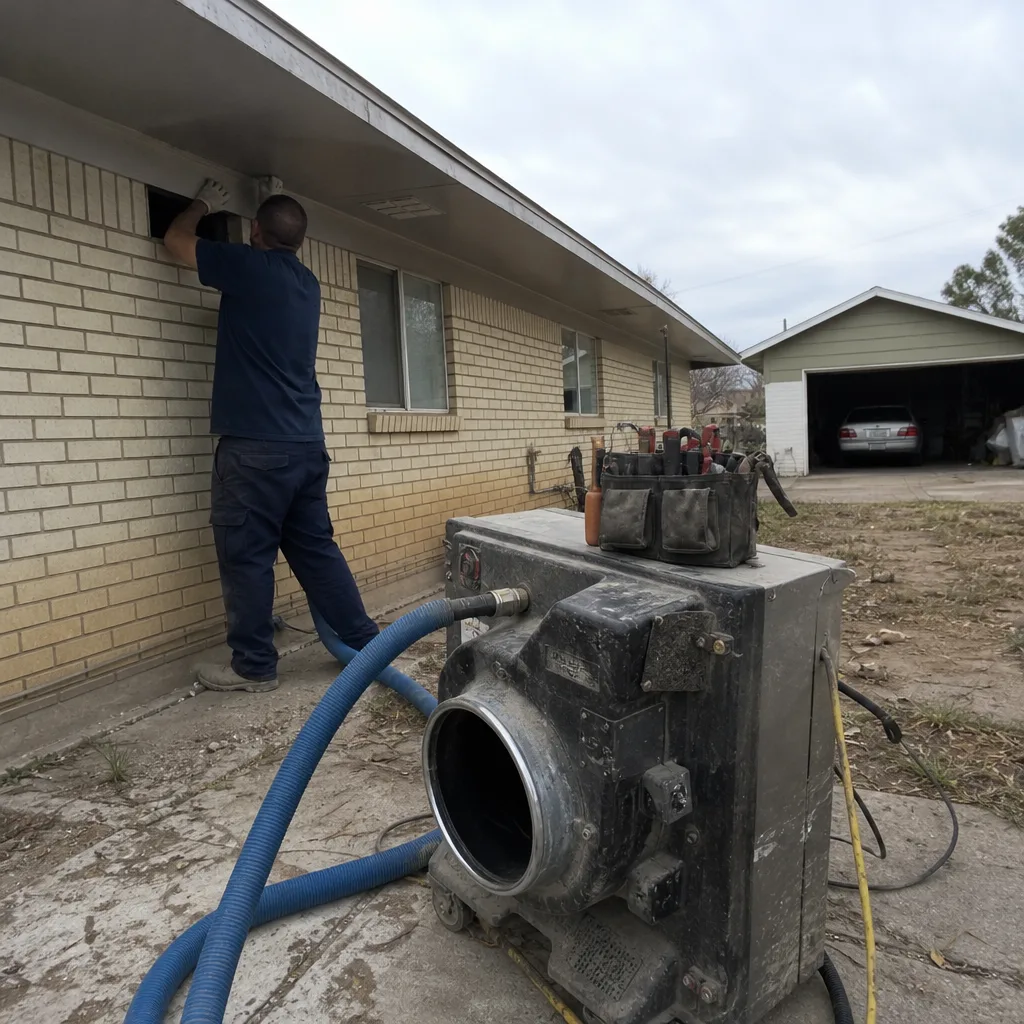 Before
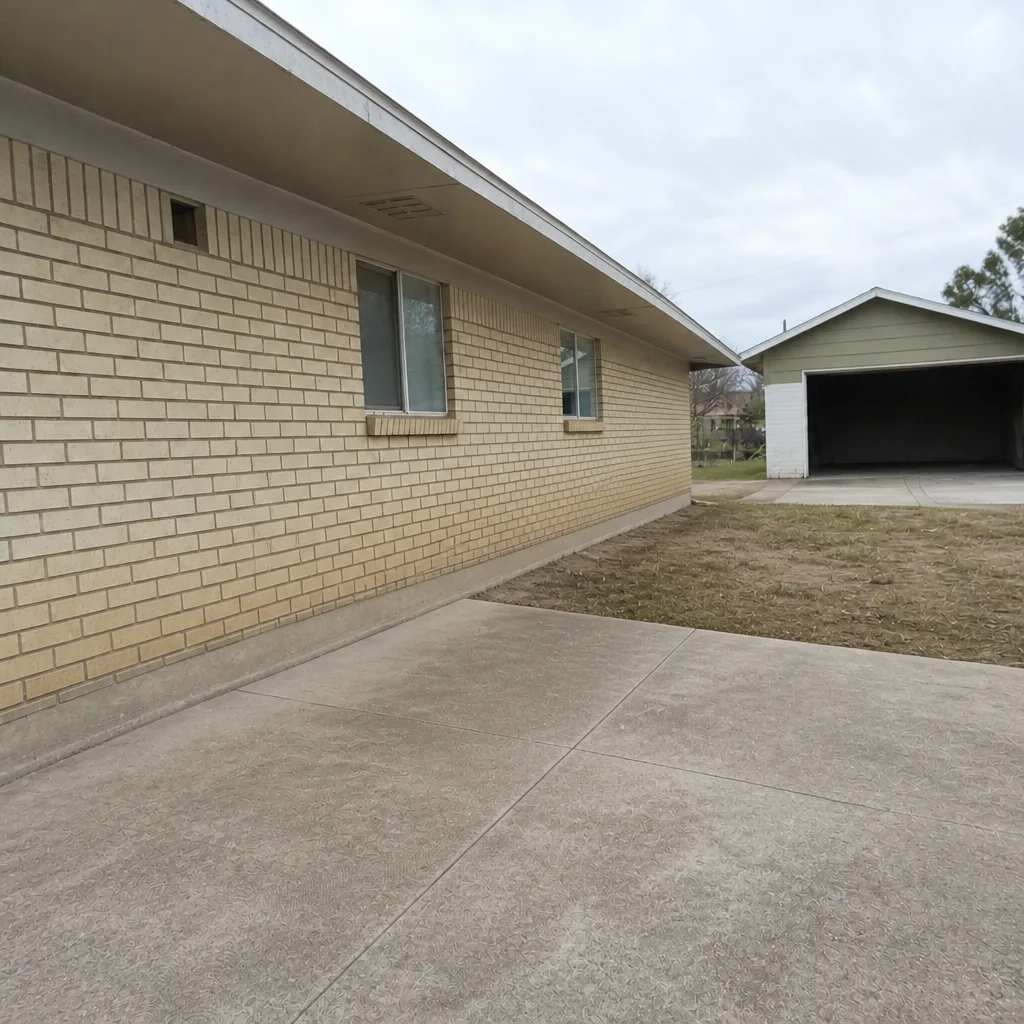 After
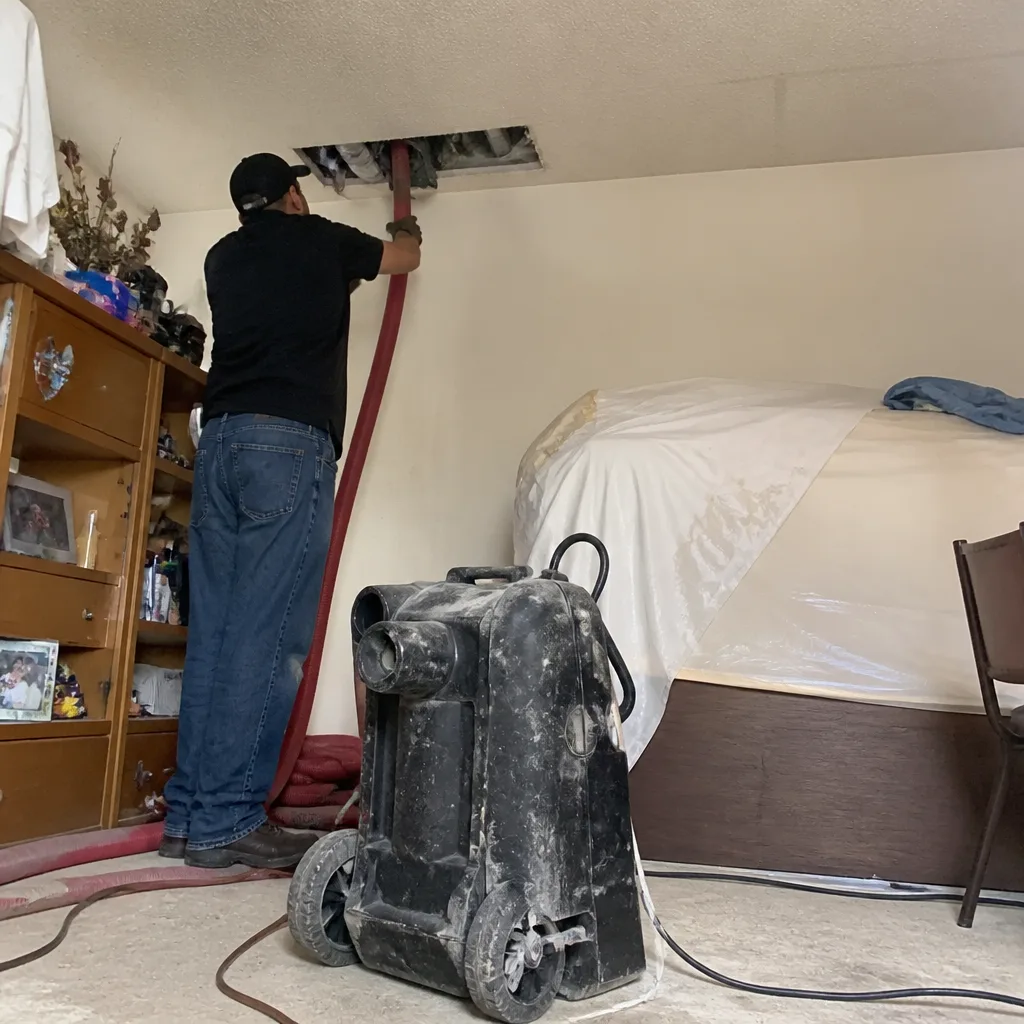 Before
 After
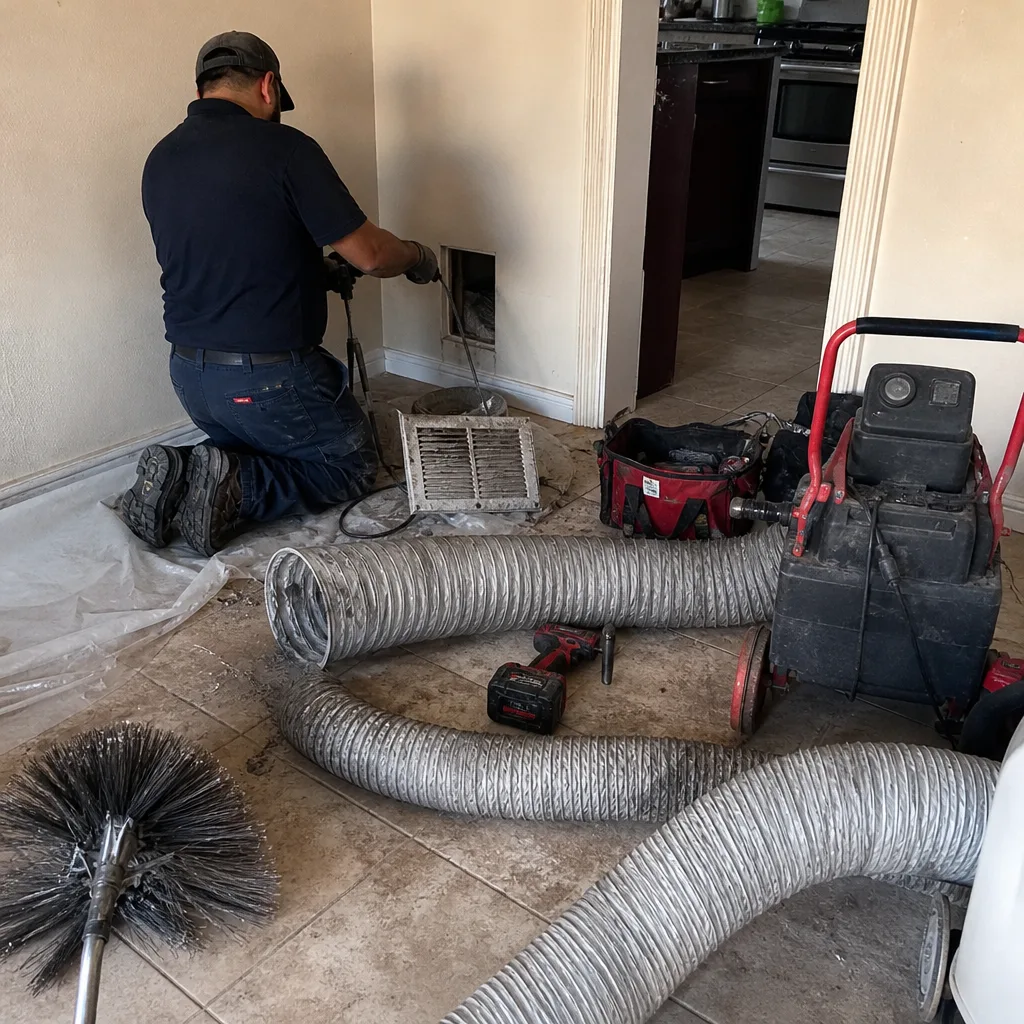 Before
 After
When to Call a Professional
Call a professional when a flashlight inspection shows packed debris in more than one register, when you notice a musty or ammonialike odor that lingers, when allergy symptoms follow you inside and stay after the windows close, when a home converted from evaporative cooling is showing scale or rust, or when your dryer takes more than one cycle to dry a load. Call sooner if you smell rodent intrusion. Call sooner if you find visible duct damage and the airflow change has been steady for weeks. These are the cases where professional equipment matters: rotary-brush systems that dislodge rather than disturb, negative-pressure extraction that captures debris at the source, and on-site HEPA filtration that keeps the air around the workspace clean during the job. Duct Cleaning El Paso offers free estimates in El Paso; call (866) 942-6158. We answer 24/7. Fast dispatch from 7am to 7pm, Sunday through Friday. Our technicians have up to 10 years of experience, and we run professional Rotobrush, Nikro, and Abatement Technologies equipment on every job, along with familiarity with Honeywell and Aprilaire filtration products for customers considering air-quality upgrades.
Frequently Asked Questions
You need it if a flashlight inspection shows packed debris inside the register boot, not just dust on the grille, or if you have persistent musty odors, uneven airflow between rooms, or scale and rust from a prior evaporative cooling system. Surface dust after a windstorm doesn’t qualify. Call (866) 942-6158 for an inspection quote; estimates are free.
Cost varies by home size, number of registers, and system complexity, and we work on one flat price per system agreed before work starts, not per-vent pricing. We won’t quote a teaser number and then add on charges once we’re on site. Call (866) 942-6158 for a specific estimate on your home; the written estimate sets the final price.
Cheap quotes usually reflect vacuum-only service that stirs dust without dislodging it, or pricing that excludes half the system, or a low teaser number that grows on-site. Professional rotary-brush systems and HEPA negative-pressure equipment cost more to operate, and that’s what makes cleaning actually work on El Paso’s packed mineral dust. Ask what equipment will be used and what’s included before you book. Call (866) 942-6158 for a fair estimate.
Ask for before-and-after photos of your own ducts, taken inside the boots and along the main runs. We provide those on every job so you can verify the material was removed, not just redistributed. Call (866) 942-6158 to schedule an inspection.
Most El Paso homes benefit from cleaning every three to five years, sooner in windy or dusty locations, homes with pets, or homes that ran evaporative cooling before conversion. Filter changes every one to three months help extend the interval. Call (866) 942-6158 for an assessment.
Reduced drying performance usually points to a lint-clogged vent run, not a failing appliance. Lint-impacted vents are a leading cause of residential fires, so this isn’t a wait-and-see symptom. Schedule dryer vent cleaning promptly. Call (866) 942-6158; estimates are free.
Temporarily, yes, because dislodged debris becomes airborne during the job. That’s why we run Abatement Technologies air-filtration equipment on-site to capture particles at the source, and why you may notice a day or two of settling before symptoms improve. Call (866) 942-6158 for a personalized assessment.
The Bottom Line
Not every dusty register in El Paso is a warning sign. Some are just the cost of living in a desert city where wind and dust are facts of life. The diagnostic signs that matter are the ones behind the grille, in the air you smell, and in the airflow patterns you can feel room to room. Use a flashlight. Notice when symptoms track with the system running versus the outdoors. Check whether your home ran evaporative cooling before conversion. Treat dryer vent symptoms as fire-safety signals, not maintenance items. And when a symptom points to real buildup, get a professional inspection so you’re not paying for a service you don’t need or skipping one that would actually help. Our team at Duct Cleaning El Paso is here for El Paso homeowners whenever you’re ready to schedule.
Call (866) 942-6158 for a free estimate. We answer 24/7. Fast dispatch from 7am to 7pm, Sunday through Friday. We run professional-grade equipment on every job, provide before-and-after photos of your own ducts, and work on one flat price per system agreed before work starts.
Written by the team at Duct Cleaning El Paso.