
Last updated November 15, 2026
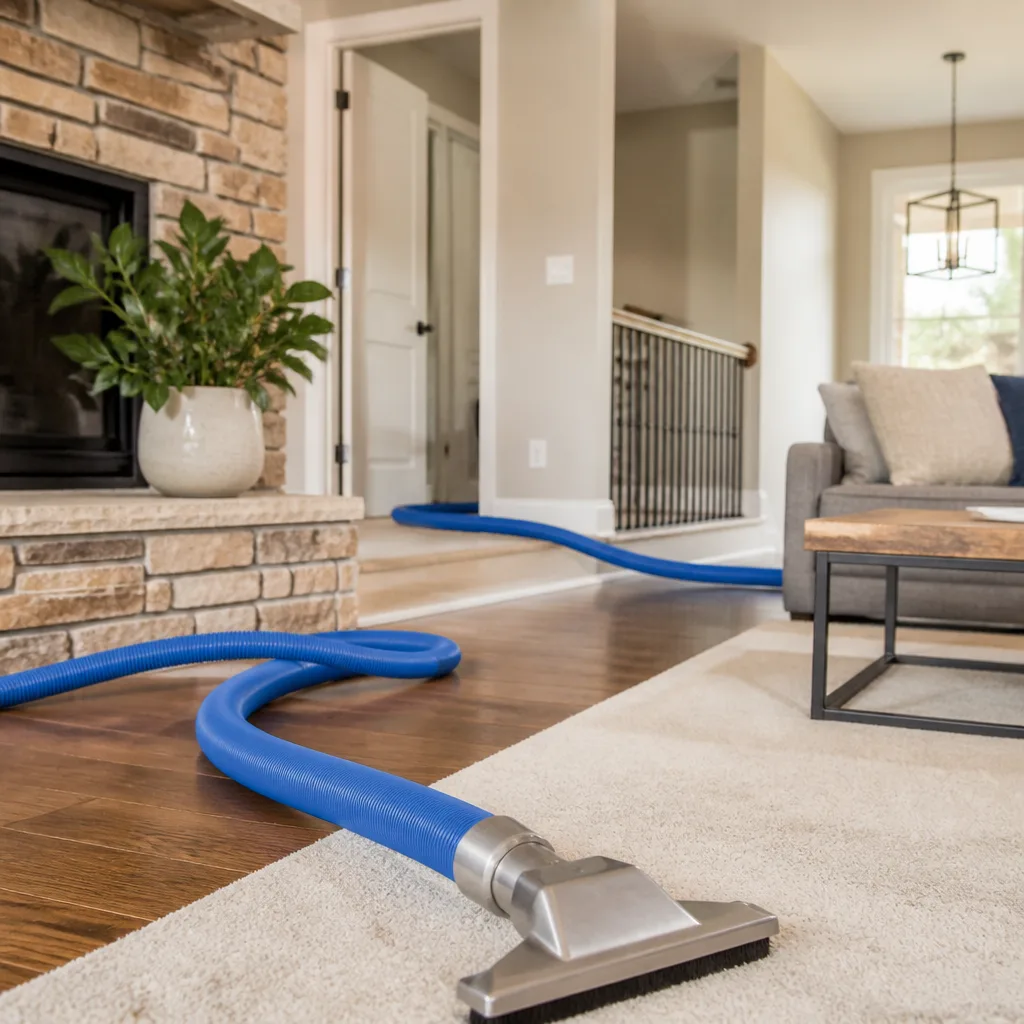 Whole-home duct cleaning
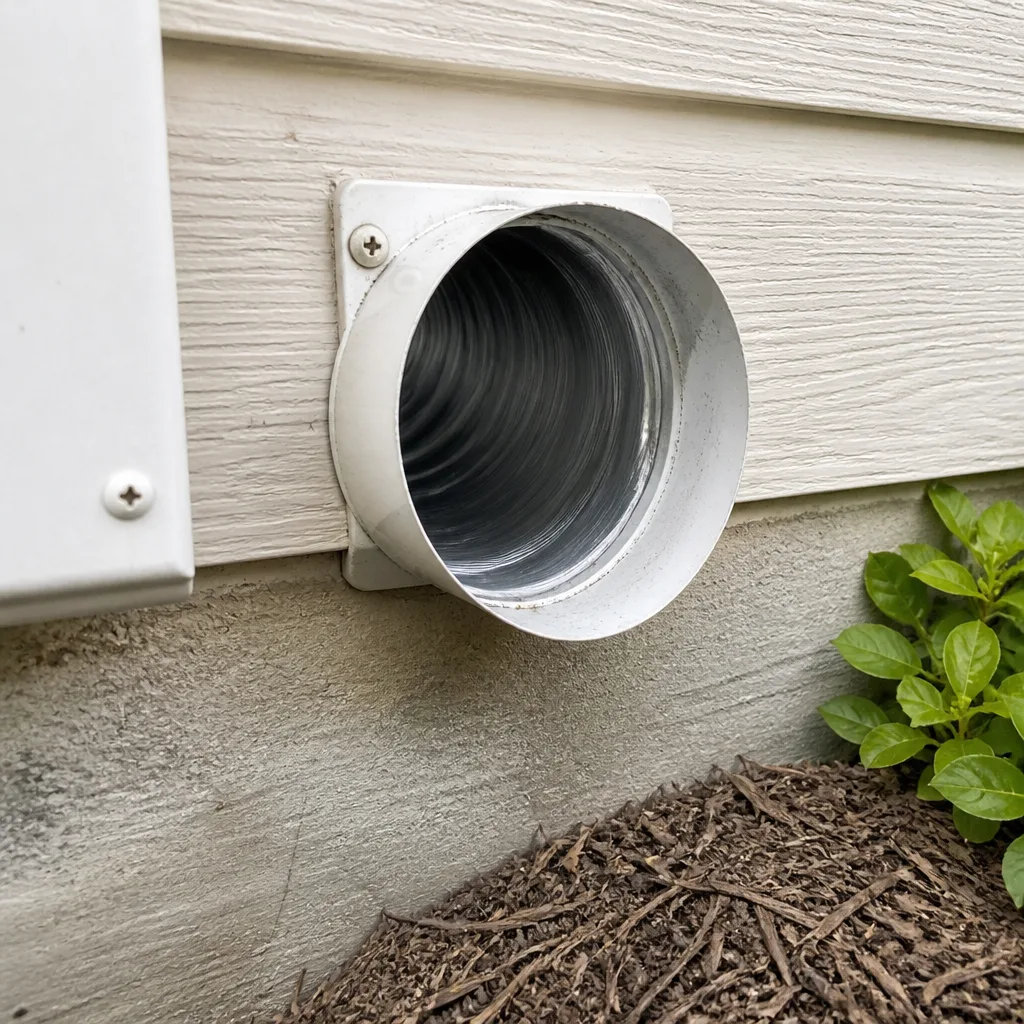 Dryer vent cleaning
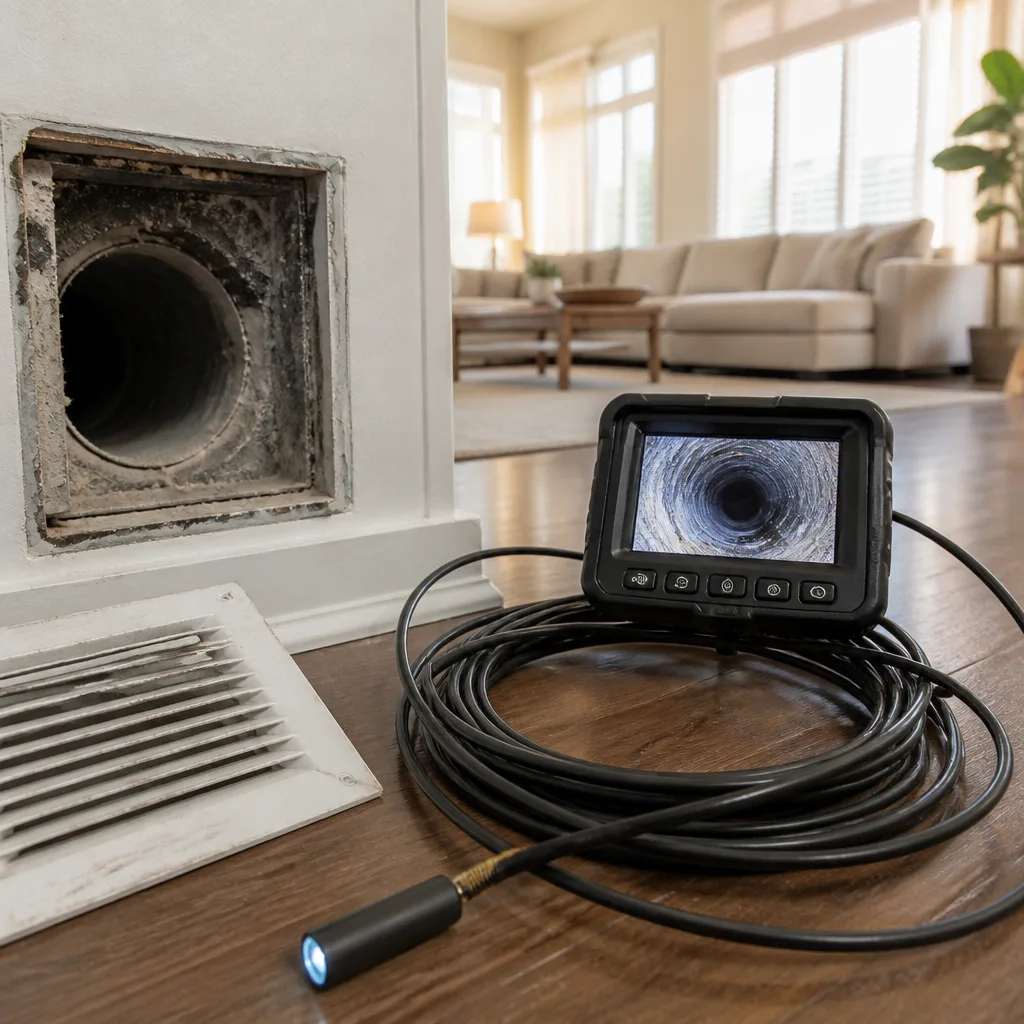 Camera inspection
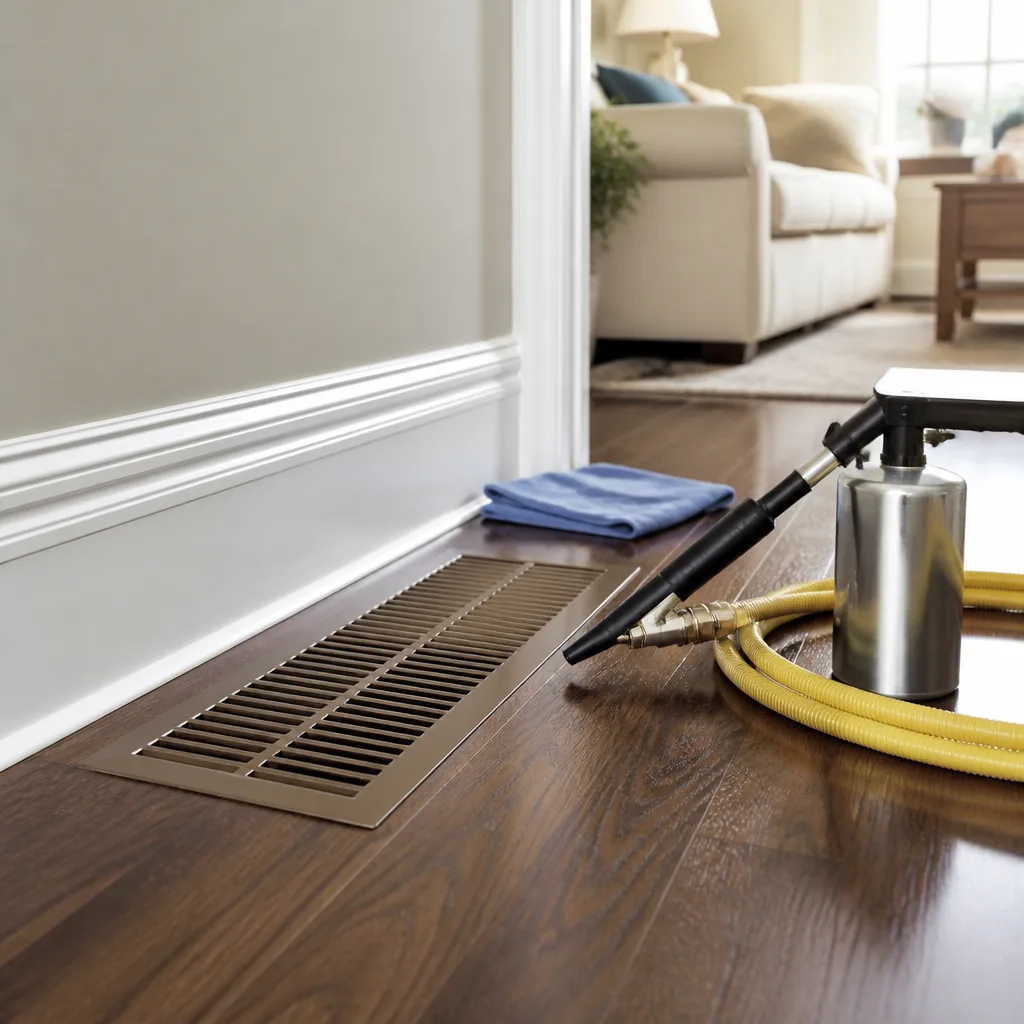 Sanitizing & deodorizing
Whole-system duct and dryer vent check with before-and-after photos - you see exactly what came out of your vents
That "$99 whole-house special" is a bait ad - the real number appears once they are in your hallway, or the "clean" is a shop-vac at the register. We photograph the inside of your ducts before and after instead.
The Complete Guide to Air Duct Cleaning in El Paso
Most duct-cleaning advice you’ll find online was written for humid climates where mold is the villain. El Paso isn’t that. Here, the problem is dust – fine, alkaline, caliche-laden desert dust that doesn’t stay loose in your ductwork the way coastal or Southeastern homeowners expect. It packs. It bonds to duct walls. It accumulates in ways that a generic “every three to five years” schedule completely misses. If you’ve been using national benchmarks to decide when your ducts need attention, you’ve been using the wrong ruler. This guide walks through what actually builds up inside El Paso ductwork, why evaporative cooler history matters, what real negative-pressure extraction means, and how to set a cleaning schedule that fits this city’s dust cycles rather than a template written for somebody else’s climate.
Quick Answer
Air duct cleaning in El Paso means removing bonded desert dust, caliche particulate, and mineral debris from the full duct system using rotary-brush agitation and negative-pressure extraction – not a shop-vac pass over the registers. Because El Paso’s dust season runs long and its dust is alkaline and adhesive, most homes here need professional duct cleaning on a shorter cycle than the national three-to-five-year figure, often every two to three years depending on filtration, occupancy, and whether the home once ran an evaporative cooler.
Styles & brands we work with
- Whole-home duct cleaning
- Dryer vent cleaning
- Camera inspection
- Sanitizing & deodorizing
Table of Contents
- Why El Paso Dust Behaves Differently Inside Ductwork
- The Evaporative Cooler Legacy and What It Leaves Behind
- What Negative-Pressure Extraction Actually Means
- Hard Water, Coil Condensation, and Supply Plenum Deposits
- How a Professional Duct Cleaning Actually Works, Step by Step
- How Often Should El Paso Homes Clean Their Ducts?
- Dryer Vents: A Fire-Safety Service, Not a Checkbox
- We Repair What We Find
Why El Paso Dust Behaves Differently Inside Ductwork
El Paso sits in one of the dustiest metropolitan areas in the country, and the particulate here isn’t the soft loam or humid-region debris that most duct-cleaning guides describe. Much of it is mineral: caliche dust, ground limestone, fine sand, and the alkaline powder that settles out of Chihuahuan Desert air. That composition changes how the dust behaves once it enters a return grille.
Humid-climate dust tends to clump and stay where it lands, and mold growth is the primary concern in those regions. Desert dust does something else. It stays dry and fine enough to travel deep into the return and supply runs, then packs against duct walls where small amounts of condensation or static charge give it a place to bond. Over time, that packed layer hardens. A vacuum alone won’t lift it. Airflow past a bonded dust layer doesn’t clear it – it just keeps the surface of that layer circulating into the living space.
What this means practically:
- Dust doesn’t stay loose. In El Paso ductwork, dust bonds to galvanized walls and flex duct interiors, which is why mechanical agitation matters more here than in wetter climates.
- Return runs collect first. Long return trunks pulling air from multiple rooms see the heaviest loading, and they’re often the runs homeowners never think to check.
- Alkaline dust is abrasive. Caliche particulate wears on blower wheels and motor bearings over years of recirculation, which is one reason blower assemblies in dusty homes tend to run louder and less efficiently.
- Filter changes alone don’t solve it. A good filter catches what reaches it. It doesn’t remove what’s already bonded inside the duct behind it.
This isn’t a scare tactic. It’s just the reality of what accumulates in a house that pulls desert air through a filter for years. If you’ve ever wiped a windowsill in El Paso and watched the cloth turn tan, you already understand what your return grille is catching.
The Evaporative Cooler Legacy and What It Leaves Behind
A huge number of El Paso homes – especially in older neighborhoods, in the Lower Valley, and throughout the Northeast – were built with evaporative coolers, and many of those systems were later converted to refrigerated central air. That conversion history matters because swamp coolers and refrigerated systems move air through ductwork very differently, and the transitional years leave a residue that standard cleaning schedules don’t account for.
Evaporative coolers push large volumes of outdoor air through oversized, often poorly sealed duct runs. That outdoor air carries dust, and swamp cooler operation also introduces moisture into the duct system – not enough to cause the mold problems you’d see in a humid climate, but enough to help fine desert dust stick to duct walls where it wouldn’t otherwise. When a home is later converted to refrigerated air, the new system runs with colder supply air and a different pressure profile. The existing ductwork, sized for a swamp cooler, often has oversized runs that move less air at higher static pressure. Dust that was loosely distributed during swamp-cooler years now sits in runs that no longer see enough velocity to keep it moving.
In our experience, ductwork in converted El Paso homes often shows:
- Heavier bonding on the lower walls of horizontal runs, where dust settled during low-velocity periods.
- Dust loading concentrated in the transition sections where old cooler ductwork meets new refrigerated equipment.
- Loose joints and disconnected sections from the retrofit itself, which pull unfiltered attic or crawlspace air directly into the supply stream.
Knowing the conversion history of your home is genuinely useful when scheduling a cleaning. If a previous owner converted from a swamp cooler, expect a heavier first cleaning and a closer inspection of the duct sealing than a home that’s always run refrigerated air. If you’re not sure, our air duct cleaning service starts with a full inspection of the system before any cleaning begins.
What Negative-Pressure Extraction Actually Means
The phrase “negative-pressure extraction” gets thrown around by every duct-cleaning company, but what it actually means mechanically is what separates a real cleaning from a cosmetic one. Here’s the plain version.
A duct system is a closed loop. When you agitate dust inside a duct – with a rotary brush, an air whip, or a compressed-air tool – that dust goes airborne. If there’s no mechanism pulling air out of the system at the same time, the dust simply redistributes. It coats the inside of the ducts you just cleaned and blows out of the nearest open register into the room. That’s what a shop-vac-and-brush setup does. The brush loosens dust, the shop-vac catches a small fraction of it, and the rest ends up on your furniture.
True negative-pressure extraction works like this:
- A high-powered vacuum unit connects to the duct system at a main trunk or register, typically through a large-diameter hose, and pulls continuous suction through the entire run being cleaned.
- The system is put under negative pressure so air moves into the ducts from every open source point rather than pushing outward.
- Rotary-brush agitation runs through each branch, scrubbing dust off duct walls while the vacuum captures it at the point of dislodging.
- Air-filtration equipment runs on-site, capturing fine particulate that escapes the vacuum stream so indoor air quality is protected during the job.
- Debris is contained and removed, not released into the home.
The difference is mechanical, not marketing. When we run the Rotobrush rotary-brush system alongside Nikro negative-pressure equipment, the brush dislodges bonded dust and the vacuum captures it simultaneously. We also run Abatement Technologies air-filtration units during service to protect indoor air while the work is in progress. That’s the whole point: dislodge, don’t disturb. On a system that’s pulled years of caliche dust, the difference between agitating and extracting is the difference between a real cleaning and a false one.
Hard Water, Coil Condensation, and Supply Plenum Deposits
El Paso’s municipal water is hard, and that matters inside your HVAC system in a way most duct-cleaning guides ignore. Here’s the chain of events.
Refrigerated air conditioning works by condensing moisture out of the air at the evaporator coil. In a humid climate, that’s a lot of water. In El Paso, it’s less – but it’s still enough to keep a coil pan wet during the cooling season, and it’s water with dissolved minerals. As condensation forms and evaporates on the coil and in the supply plenum (the transition section right after the coil where cooled air enters the ducts), those minerals deposit. You get a scale layer that builds slowly over years, and that scale layer is sticky. Dust that reaches the supply plenum catches on it and stays.
What this looks like in practice:
- Supply plenum interior walls often carry the heaviest bonded deposits in the whole system, precisely because they’re downstream of the coil and see the mineral-laden condensate first.
- Coil fins scale up, which reduces heat transfer and forces the blower to work harder. Duct cleaning doesn’t fix the coil, but a cleaning visit is often when the problem becomes visible.
- The blower wheel accumulates both dust and mineral film, which throws off balance and adds noise over time.
This is also where filtration upgrades come into the conversation. We stock and service Honeywell and Aprilaire products, so when a cleaning reveals that your return filtration is undersized for the dust load in your home, we can speak to what a higher-MERV filter setup and a properly sealed return would actually accomplish. Filtration is not a substitute for cleaning, but the two are related – if your filters are loading fast, that’s information about what the ducts are holding.
How a Professional Duct Cleaning Actually Works, Step by Step
A correctly done duct cleaning in El Paso follows the same general sequence every time, whether it’s a single-family home in the Westside or a property-managed multi-unit building. What changes is the duration and the equipment setup, not the method. Here’s how a professional cleaning typically progresses:
- System inspection. We check every accessible register, the air handler, the coil, the return plenum, and the main trunk. Disconnected sections, crushed flex runs, and rodent intrusions get flagged before cleaning rather than after.
- Containment and filtration setup. Negative-pressure equipment connects to the main trunk, and Abatement Technologies filtration units run in the work area to capture any particulate that goes airborne.
- Register-by-register agitation. The Rotobrush rotary-brush system runs through each branch run individually. The brush physically scrubs duct walls while the negative-pressure vacuum pulls dislodged material back out through the trunk.
- Main trunk and plenum cleaning. Larger-diameter runs get brushed and vacuumed at higher volume. Supply plenum sections behind the coil get particular attention because of the mineral-deposit issue.
- Air handler and blower. The blower compartment, wheel, and coil are cleaned where accessible. In our experience this is where a lot of visible dust actually originates, even though most of the conversation focuses on the ducts.
- Before-and-after photo documentation. You get photos of your own ducts, plenum, and air handler showing the difference. No stock images, no brochure photos.
- Filtration assessment and sealing check. Filters get checked, and any gaps in duct sealing that we found during inspection get discussed as a repair before they become a bigger issue.
If you want the short version of what a proper cleaning involves, that’s it. If a company’s process looks materially different – no rotary brush, no negative pressure, no air filtration during the work – you’re not getting this service, no matter what the estimate says.
How Often Should El Paso Homes Clean Their Ducts?
The national three-to-five-year estimate was written for climates with a shorter dust season and lower particulate load. El Paso runs on different numbers. Dust storms, sustained spring winds, and the general particulate load of a desert metro mean homes here accumulate duct debris faster than the national benchmark assumes. A realistic frequency guide for El Paso homes:
- Every two to three years for the average home in areas with sustained dust exposure – the Westside, Northeast, and neighborhoods near open desert edges.
- Every two years for homes with pets, allergy sufferers, or high occupancy.
- Annually only where a specific condition drives it: recent remodeling, a rodent intrusion, a flooded or water-damaged system, or a home whose occupants have major respiratory concerns.
- Immediately if you notice visible dust plumes from registers, a musty or dusty smell when the system kicks on, or a filter that loads within weeks of replacement.
Two things adjust this schedule faster than anything else. First, how well the return filtration is sized. A home with an undersized return and a cheap filter pulls dust into the system continuously – that home needs cleaning more often. Second, the home’s conversion history. Swamp-cooler-to-refrigerated conversions run heavier on the first cleaning and typically settle into a tighter cycle once the duct system is properly sealed. Filter changes still matter, and they buy you time between cleanings, but they don’t extend the duct cycle indefinitely.
Dust season timing
El Paso’s dustiest months fall in late winter into spring, when wind events pick up loose desert soil. Scheduling a cleaning in the late spring or early summer – before the cooling season pushes heavy runtime – means you start the season with a clean system rather than cleaning mid-season when dust has already redistributed. This isn’t a marketing angle. It’s just what the seasonal particulate pattern suggests.
Dryer Vents: A Fire-Safety Service, Not a Checkbox
Your dryer vent is a fire risk, not a maintenance checkbox. Lint is highly combustible, and a lint-impacted vent traps heat inside the duct run every time the dryer operates. Fire-safety authorities classify clogged dryer vents as a leading cause of residential fires nationally, and El Paso homes aren’t exempt from that statistic. What sets a proper dryer vent service apart from a cosmetic one is that it addresses the full vent run – from the dryer connection, through the duct, to the exterior termination point.
Most shops run a brush a few feet in and call it done. In our experience, the worst lint accumulation is not at either end – it’s in the middle of the run, in horizontal sections and at every elbow. A full-run cleaning:
- Disconnects the dryer connection and inspects the transition duct.
- Runs the full length of the vent to the exterior termination.
- Verifies airflow at the exterior hood, not just at the dryer.
- Flags crushed, disconnected, or incorrectly routed duct sections that no amount of cleaning will fix.
Signs that your dryer vent needs attention now: clothes taking longer than usual to dry, the dryer cabinet feeling hot to the touch, a burning smell, or visible lint accumulation around the exterior hood. Any of those means stop using the dryer until it’s checked. Our dryer vent cleaning treats this as a safety service because that’s what it is.
We Repair What We Find
Cleaning reveals things. A duct run that was disconnected behind a wall cavity, flex duct that was crushed during a past retrofit, a return joint that’s been pulling attic air for years. Most cleaning-only companies note these problems on a report and move on, leaving the homeowner to find somebody else to fix them. That gap is why air duct repair is a standalone service for us rather than something we hand off.
What duct repair typically covers:
- Reconnecting disconnected runs – a common find in converted swamp-cooler systems.
- Sealing joint and seam gaps that let unfiltered air into the supply stream.
- Replacing crushed or collapsed flex duct sections.
- Restoring duct runs that were damaged by rodents, water intrusion, or poor past work.
The logic is simple. Cleaning a duct system that has a disconnected return just pulls attic or crawlspace air right back into the living space. Repairing the leak is what makes the cleaning actually hold. If you’re scheduling a cleaning and want to know in advance whether repair might come up, we can usually tell from photos of your registers and air handler. If you’re looking for a broader view of what we do across the city, the main Duct Cleaning El Paso page lays it out, and the El Paso service-area page has the coverage details.
Common Mistakes to Avoid
- Treating a cheap coupon quote as a real estimate. A low headline price often becomes a much larger invoice once the technician is on-site. Ask for a whole-system range in writing before anyone starts.
- Accepting per-vent pricing. Duct cleaning is a system job. Per-vent pricing penalizes homes with more registers and rewards skipping runs, which is backwards.
- Hiring a vacuum-only company. Beyond vacuum suction, real cleaning needs rotary-brush agitation. Vacuum alone can’t lift bonded desert dust.
- Skipping the air handler and coil. A cleaning that doesn’t address the blower compartment and coil leaves the biggest dust reservoir untouched.
- Assuming swamp-cooler history doesn’t matter. Converted El Paso homes often have oversized runs, disconnected sections, and heavier bonding that a standard cleaning approach won’t handle correctly.
- Putting off the dryer vent. Dryer vent lint is a fire risk, and delaying it in favor of the “real” duct cleaning is backwards priority-wise.
- Believing “no photos needed.” Before-and-after photos of your own ducts are the cheapest form of proof a homeowner can ask for. If a company won’t provide them, that’s a signal.
See the difference
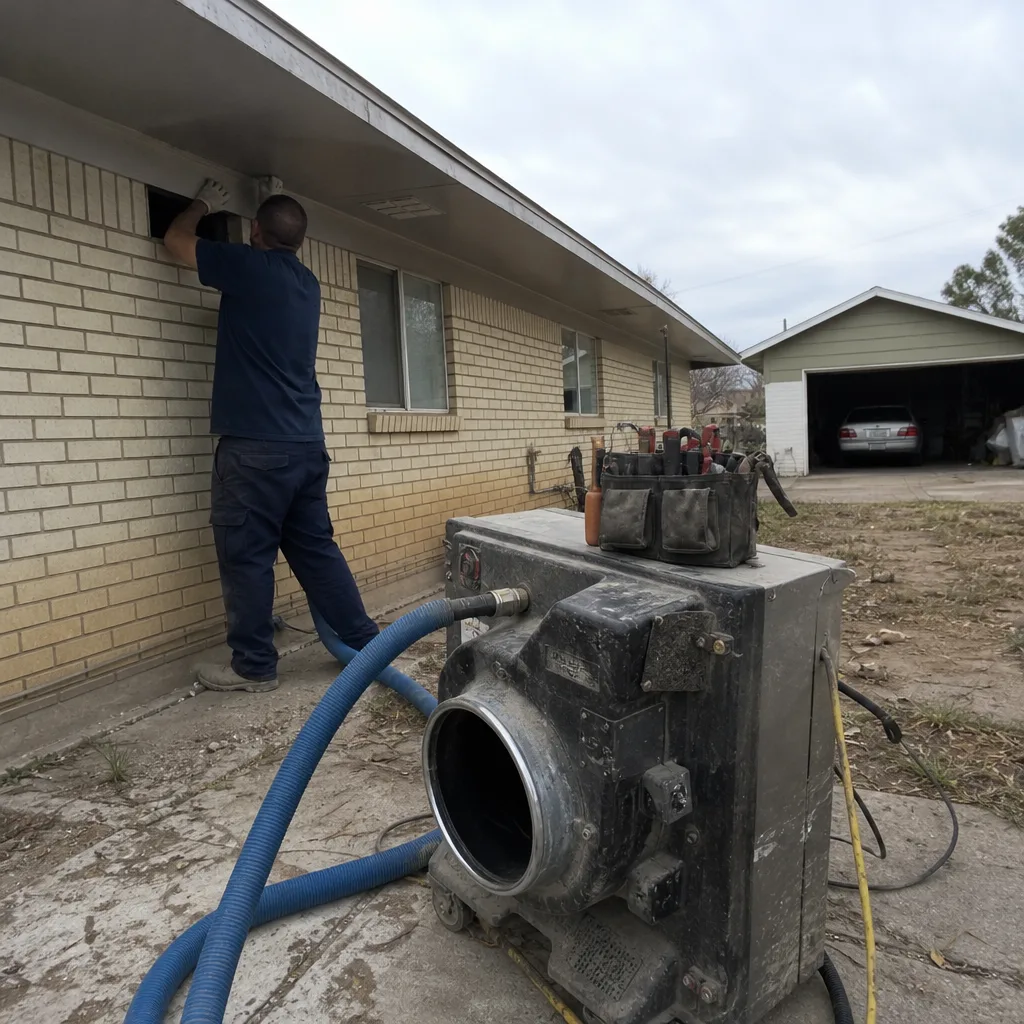 Before
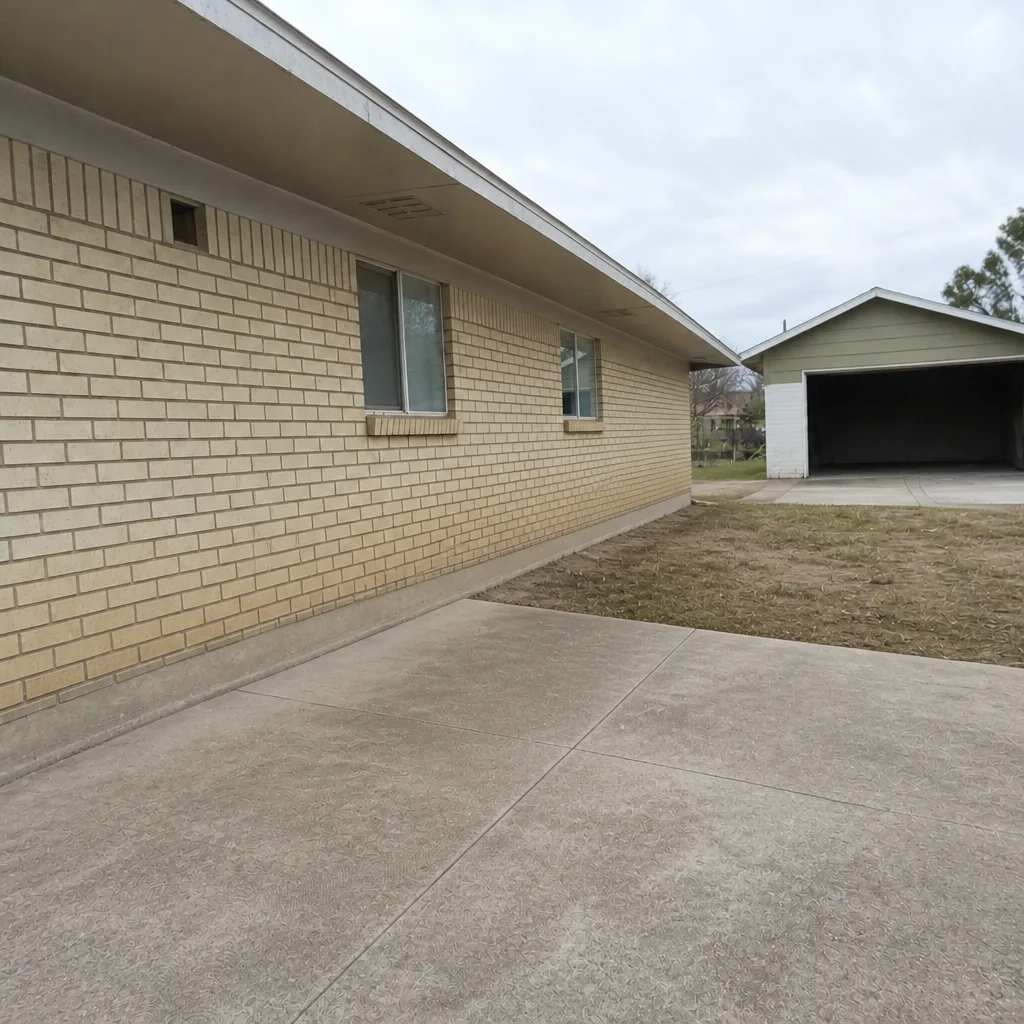 After
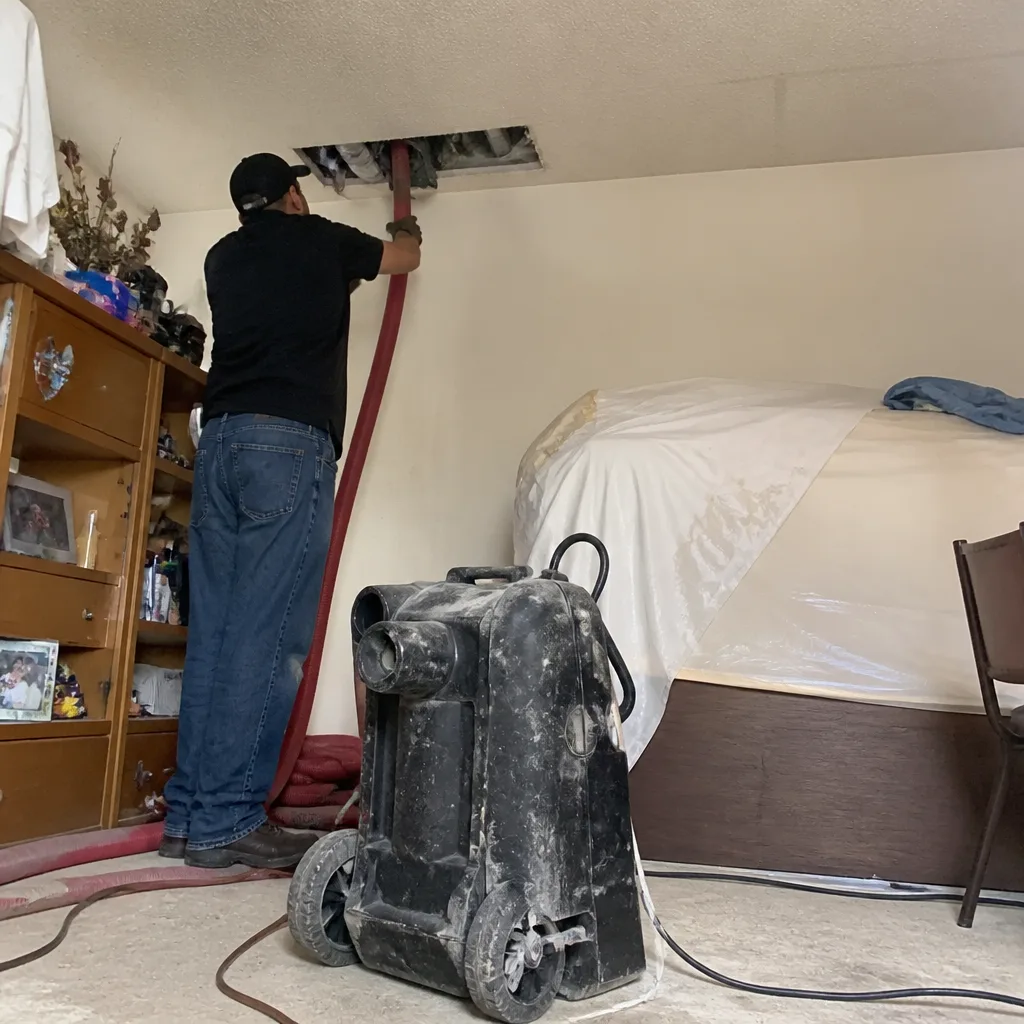 Before
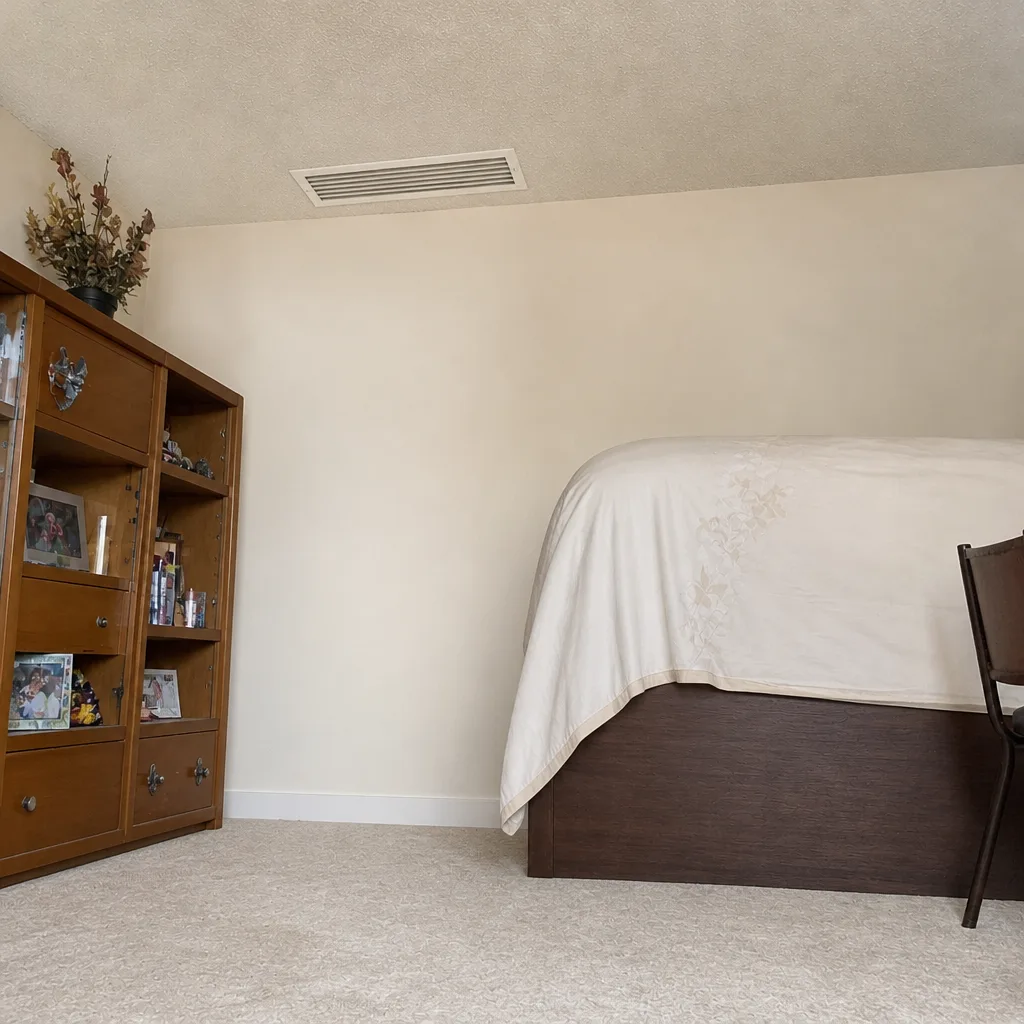 After
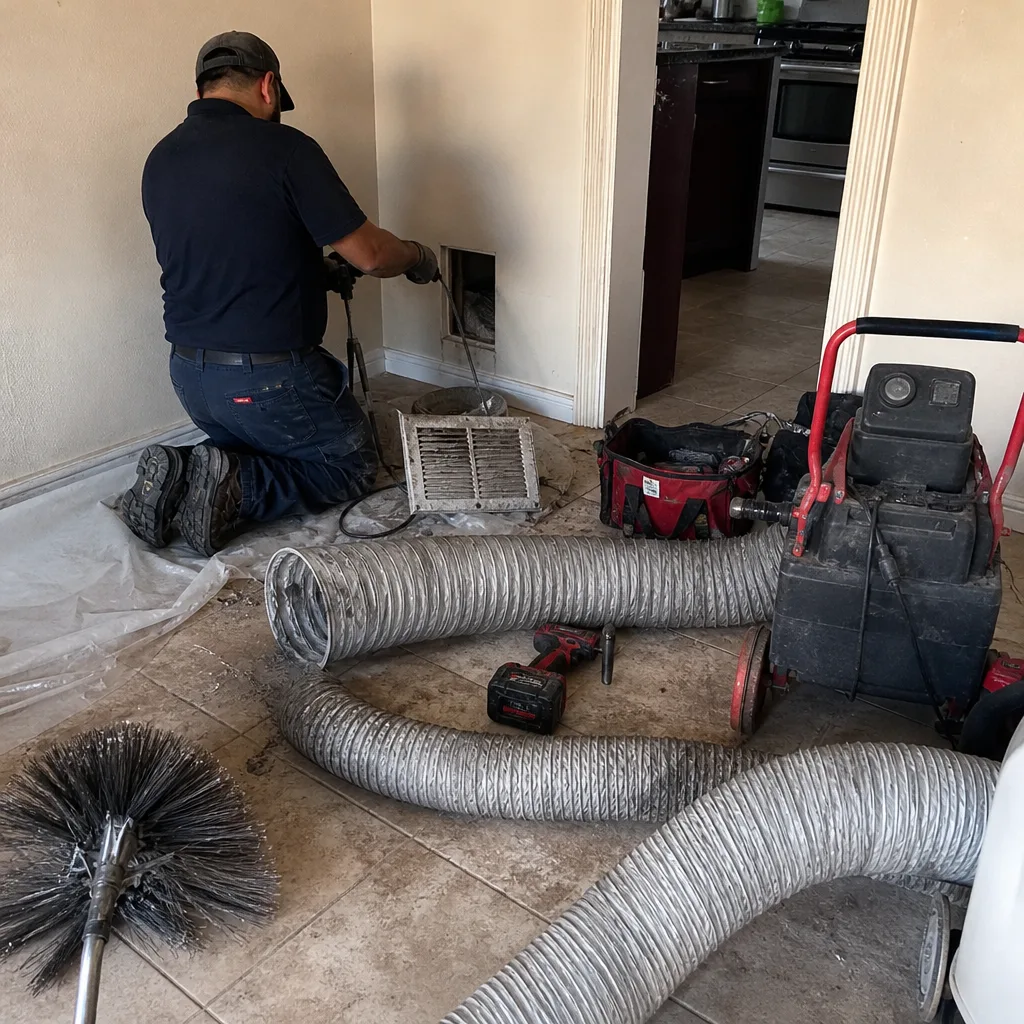 Before
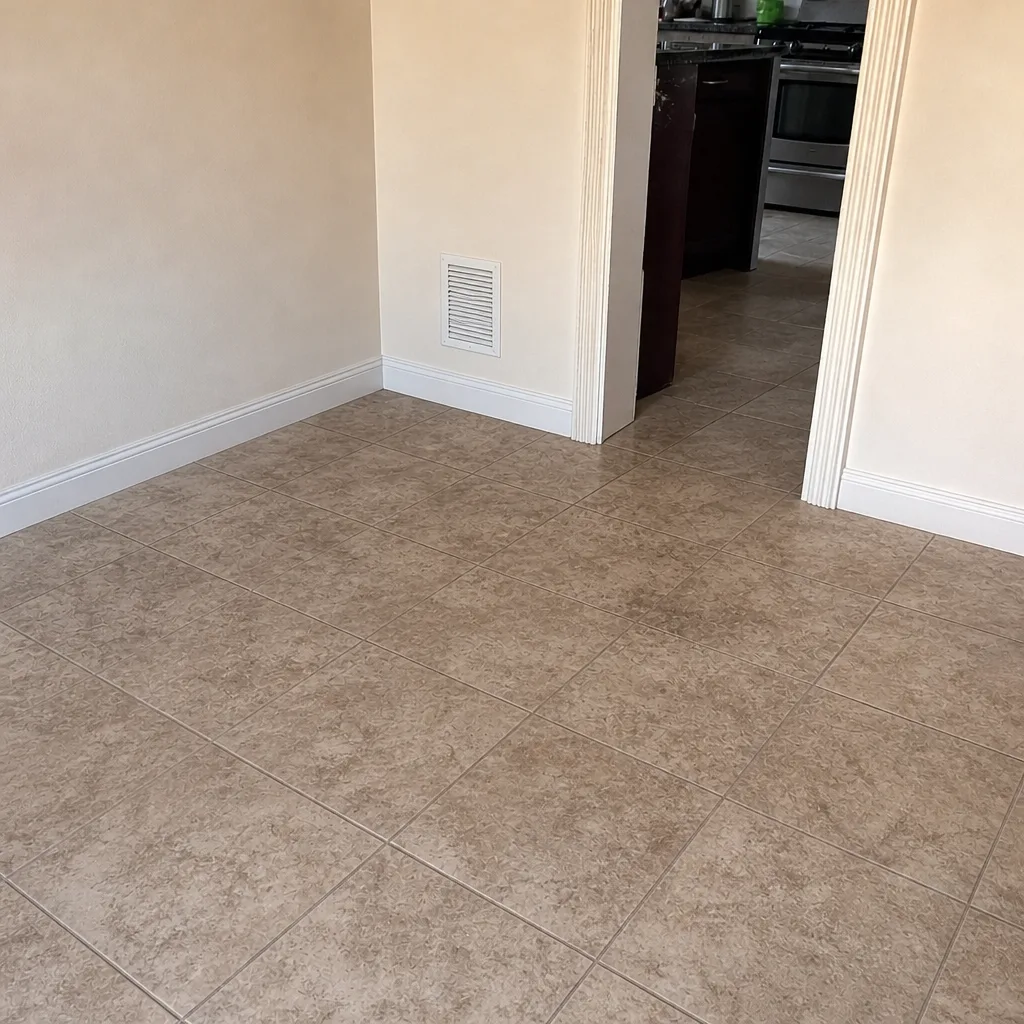 After
When to Call a Professional
Visible dust plumes at the registers, a musty or dusty smell when the system starts, allergy symptoms that flare inside the house and ease when you leave, a filter that loads within weeks, or a dryer that takes two cycles to dry a load of towels – any of those are reasons enough to have the system looked at. If you’ve just moved into an El Paso home and don’t know its duct history, a cleaning and inspection establishes a baseline. If your home was built with a swamp cooler that was later converted, the same applies. Our technicians have up to 10 years of experience, and Duct Cleaning El Paso offers free estimates in El Paso – call (866) 942-6158. We answer 24/7. Fast dispatch from 7am to 7pm, Sunday through Friday.
Frequently Asked Questions
Air duct cleaning in El Paso typically runs on a whole-system range quoted per job and confirmed in a written estimate before work starts, rather than a per-vent price. Call (866) 942-6158 for an exact quote – estimates are free.
Cheap quotes usually reflect a smaller scope – vacuum-only cleaning, skimping on the air handler and plenum, or a coupon-style teaser price that expands on-site. Ours is one flat price per system agreed before work starts, no per-vent pricing, and you get before-and-after photos of your own ducts. Call (866) 942-6158 for an exact quote – estimates are free.
Before-and-after photos of your own ducts, plenum, and air handler taken during the visit. No stock images. We also walk you through what we found and what we cleaned. Call (866) 942-6158 for an exact quote – estimates are free.
Every two to three years for most El Paso homes, faster than the national three-to-five-year benchmark because of the local dust load. Homes with pets, allergy sufferers, or swamp-cooler conversion history should lean toward the shorter end. Call (866) 942-6158 for an exact quote – estimates are free.
Yes, indirectly. Condensate from the evaporator coil carries dissolved minerals onto the coil and into the supply plenum, where scale builds and catches dust. That’s why supply plenum sections in El Paso homes often show the heaviest bonded deposits in the system.
We repair what we find. Air duct repair is a standalone service – reconnecting disconnected runs, sealing joint gaps, and replacing crushed flex sections are all part of what we handle when a cleaning reveals them.
The Bottom Line
El Paso ductwork doesn’t behave like the ductwork described in most national guides. Caliche dust packs and bonds instead of staying loose. Hard-water condensate leaves sticky mineral deposits in the supply plenum. Swamp-cooler conversions leave oversized runs and disconnected joints that pull unfiltered air into the system. Cleaning on a two-to-three-year cycle calibrated to this climate, hiring a company that uses rotary-brush agitation with true negative-pressure extraction, and treating dryer vent service as a fire-safety job rather than an upsell – those three moves cover most of what actually matters here. Cleaner air starts in the ductwork, and the way work here gets done matters more than what the estimate says on the front page.
Call Duct Cleaning El Paso at (866) 942-6158 for a free estimate. We answer 24/7. Fast dispatch from 7am to 7pm, Sunday through Friday. Every quote is a flat price per system agreed before work starts, with before-and-after photos of your own ducts when the job is done.
Written by the team at Duct Cleaning El Paso.