
Last updated November 15, 2026
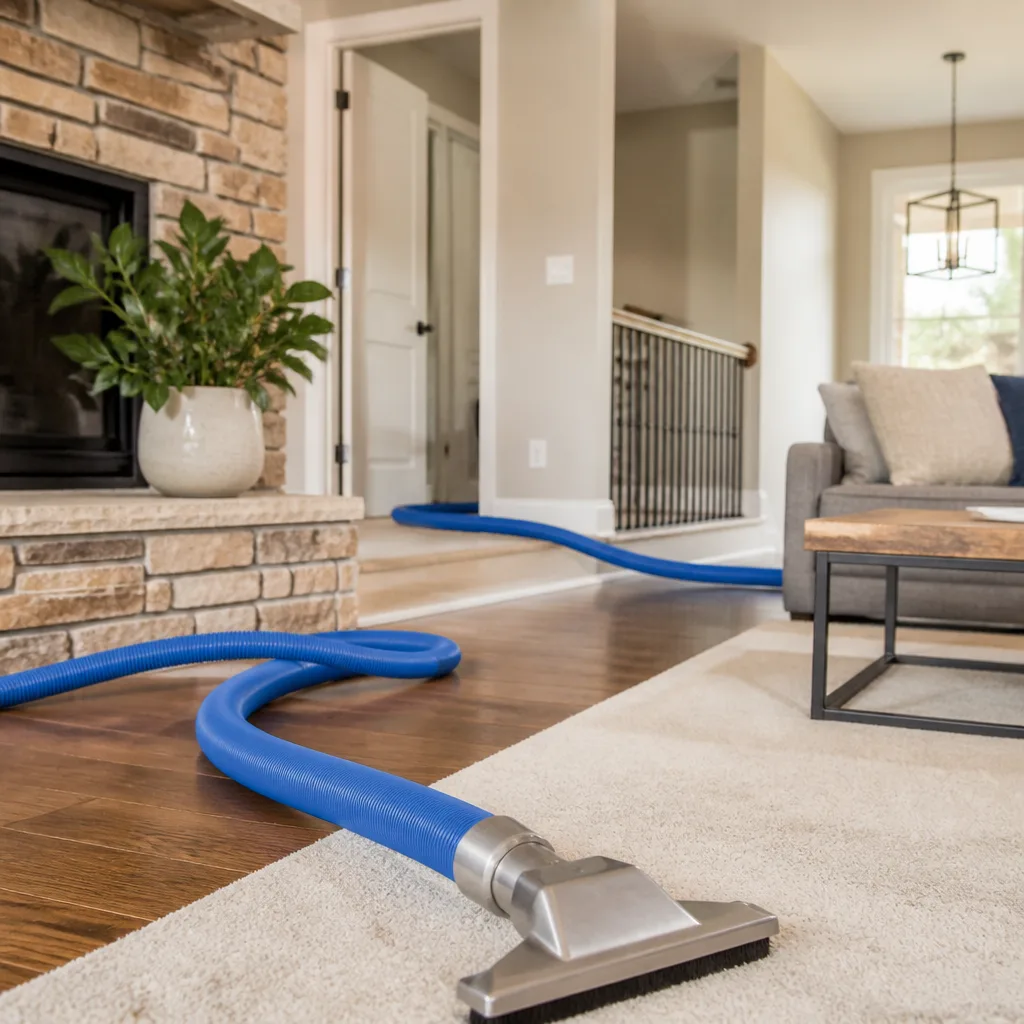 Whole-home duct cleaning
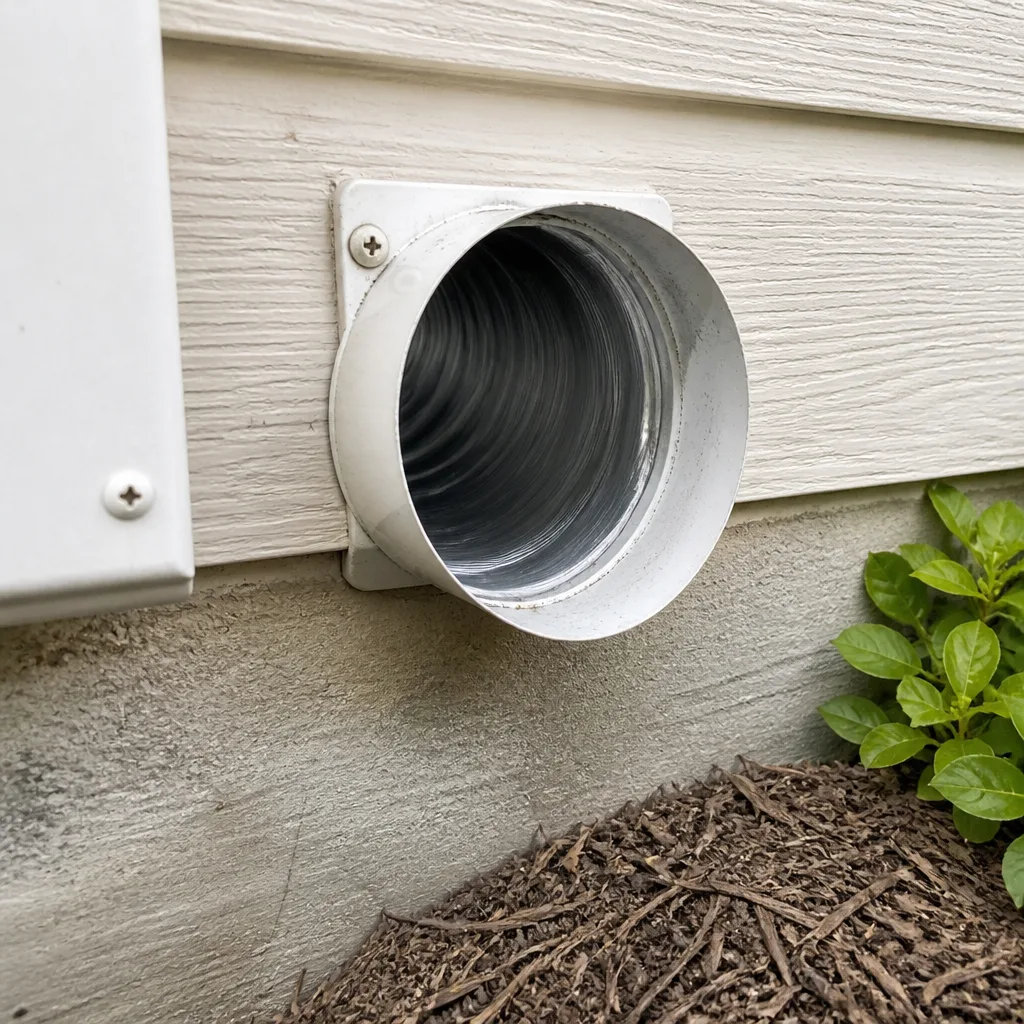 Dryer vent cleaning
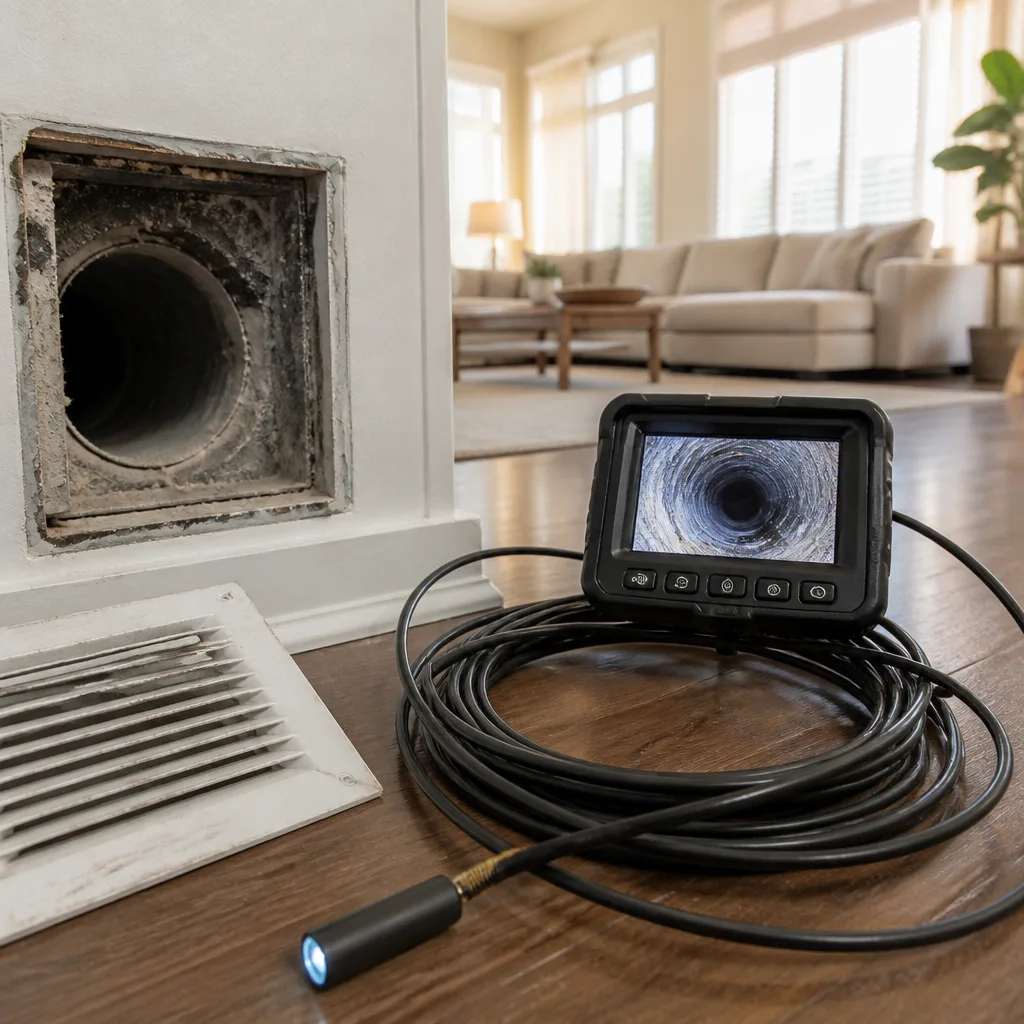 Camera inspection
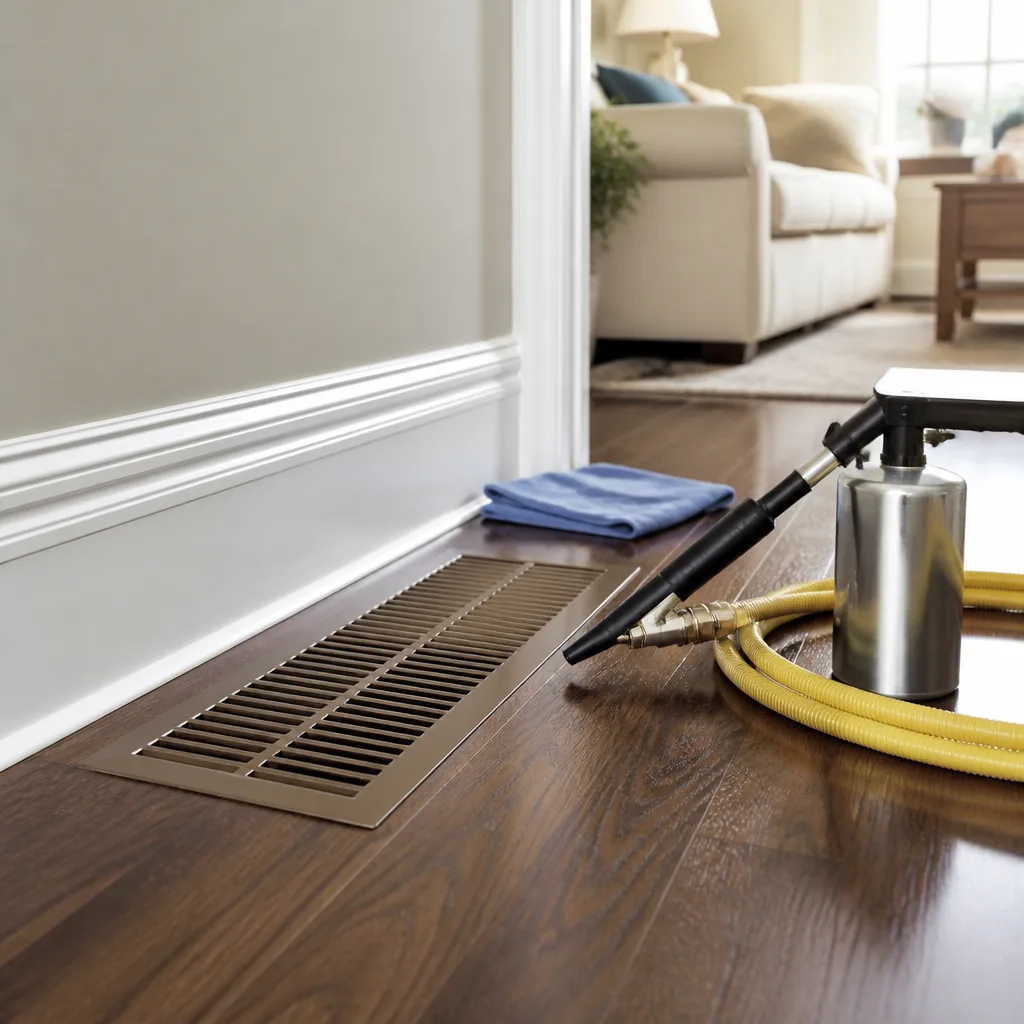 Sanitizing & deodorizing
Whole-system duct and dryer vent check with before-and-after photos - you see exactly what came out of your vents
That "$99 whole-house special" is a bait ad - the real number appears once they are in your hallway, or the "clean" is a shop-vac at the register. We photograph the inside of your ducts before and after instead.
Seasonal Air Duct Cleaning Care for El Paso: Year-Round Homeowner’s Guide
Most seasonal duct cleaning advice was written for a climate that doesn’t exist here. It tells you to clean in spring to “prepare for summer,” which sounds sensible until you live through an El Paso dust event in May and watch a fine brown film settle on every surface in the house. In this market, the cleaning calendar runs backwards from the national template. El Paso’s worst particulate intrusion lands from late spring into early summer, right when the standard advice says you’re already done. Timing the job wrong means you scrub the system clean and then feed it the heaviest dust load of the year a few weeks later. This guide maps duct care to El Paso’s real environmental calendar – four distinct stress windows, each with its own contamination risk and its own right response – so you can schedule the work when it actually protects your air.
Quick Answer
Air duct cleaning in El Paso works best when it’s timed to the region’s actual stress periods rather than the four traditional seasons. The two highest-value windows are a return-duct sealing inspection before the March-through-June dust season and a pre-season heating inspection before the first heat cycle kicks on in fall. If you clean only once a year, schedule it for late winter or early spring – before peak dust, not after it.
Key Takeaways
- El Paso’s duct-stress calendar has four periods: dust storm season, summer refrigerated-air peak, fall heating startup, and winter inversion events.
- Return-duct leaks let dust in all year, but the damage concentrates in spring. Inspect sealing before peak particulate season, not after.
- The air handler plenum is a moisture hotspot in summer. Condensate there feeds biological growth that cleaning alone won’t fix without addressing the source.
- The first heat cycle of fall burns off accumulated debris in the heat exchanger and ducts. Inspect before that happens.
- Winter inversions trap outdoor particulate near the ground in El Paso, which raises the filtration load on your system.
- Seasonal vacancy changes contamination patterns. Empty homes in summer build up differently than occupied ones.
Styles & brands we work with
- Whole-home duct cleaning
- Dryer vent cleaning
- Camera inspection
- Sanitizing & deodorizing
Table of Contents
- Why El Paso’s Duct Calendar Doesn’t Match the Four Seasons
- March Through June: The Dust Storm Window
- Summer: Refrigerated-Air Peak and the Plenum Hotspot
- Fall: Heating Startup and the First Heat Cycle
- Winter: Inversions, Outdoor Particulate, and Filtration Load
- Snowbird and Vacancy Patterns: How Empty Homes Contaminate Differently
- The Homeowner Inspection Walkthrough: What to Check Each Quarter
- How to Build Your El Paso Duct Schedule
Why El Paso’s Duct Calendar Doesn’t Match the Four Seasons
El Paso sits in the Chihuahuan Desert, and its air-quality calendar is driven by wind, heat, and terrain rather than by the seasonal markers most guides assume. The national template – clean in spring, forget it by fall – was built for places where the dominant duct stress is winter heating load or spring pollen. Here, the dominant stress is airborne mineral dust carried on desert wind, followed by a long cooling season and a short, sharp heating startup.
The result is four stress periods that each load your ductwork in a different way:
- Dust storm season (March through June): Wind events lift fine desert particulate. Return-duct leaks and open grilles pull it straight into the system, where it settles on duct walls and the air handler.
- Summer refrigerated-air peak: The system runs long hours to hold indoor temperature, and condensate at the air handler creates a persistent moisture zone inside the plenum.
- Fall heating startup: The first time the heat runs, accumulated dust and debris in the heat exchanger and ducts burn off. This is the highest-risk single moment of the year for indoor air quality.
- Winter inversion events: Cold air settles and traps particulate near the ground, so the outdoor air your system draws in through returns and filtration is dirtier than usual.
None of these line up with “clean in spring.” Each one requires a different response – sometimes cleaning, sometimes inspection, sometimes sealing, sometimes just a filter change and a call. When you work in El Paso long enough, you stop thinking in seasons and start thinking in stress windows. Our technicians have up to 10 years of experience working this calendar, and it’s the framework we use to schedule every job.
March Through June: The Dust Storm Window
The late-spring dust window is the single most important period in El Paso’s duct calendar, and it’s the one most cleaning advice gets wrong. Conventional guidance says clean in spring to “get ahead of summer.” That’s backwards here. Cleaning in early spring, then running the system through May and June dust events, means the freshly cleaned ductwork takes the heaviest particulate load of the year immediately afterward. You’ve spent money to reset the system and then refouled it before summer even arrived.
The better sequence is inspection first, cleaning timed to survive the dust season, and sealing as the real priority. Dust intrusion isn’t mostly a dirty-duct problem – it’s a leak problem. A return duct that’s loose at a joint, disconnected at a boot, or unsealed at a plenum penetration pulls unfiltered air from attics, wall cavities, and garages into the system every time the fan runs. During a dust event, the pressure differential across that leak increases and the infiltration gets worse.
- Inspect return-duct sealing before the dust season begins. A technician checks joints, boots, plenum connections, and any accessible return runs for gaps, disconnected sections, or tape that’s failing.
- Seal and reconnect before cleaning, not after. If you clean first and seal later, you re-contaminate the clean ductwork during the wait. Sealing first means the cleaning result holds.
- Clean during or just after the dust window. That way the reset happens after the heaviest particulate load rather than before it.
- Change filters on an accelerated schedule through the season. A filter that’s fine in February can load up in a few weeks of dust events. Check it more often in late spring.
This is where duct repair as a standalone service matters. Most cleaning-only companies clean and leave sealing to someone else, which means the leak stays open and the dust keeps coming in. We repair what we find – sealing joints, reconnecting runs, restoring damaged sections – as part of the same visit. If you’re looking for air duct cleaning that treats the dust source rather than the symptom, the sealing inspection is the part that actually changes your indoor air.
Summer: Refrigerated-Air Peak and the Plenum Hotspot
Summer in El Paso is a long, high-load cooling season. The system runs far more hours than it would in a milder climate, and that long runtime creates a contamination hotspot that cleaning alone won’t fix: the air handler plenum. Refrigerated air produces condensate. If the condensate pan, drain line, or the plenum interior stays damp, that moisture combines with dust to feed biological growth inside the air handler cabinet. Once that happens, you’re not just dealing with dust – you’re dealing with a wet, organic contamination source that keeps re-seeding the ductwork every time the fan runs.
What to check during the cooling season:
- Condensate pan and drain line: Standing water, a slow drain, or a clogged line keeps the plenum humid. Clear it and confirm drainage before it becomes a growth problem.
- Plenum interior condition: A technician should look inside the air handler cabinet for visible moisture, staining, or growth, not just at the ducts themselves.
- Filter loading: High runtime plus heavy summer dust means filters load faster. Check monthly through peak cooling months.
- Return-duct draw: Weak airflow at returns can signal a leak or a disconnected run that’s pulling hot attic air instead of conditioned air.
When we clean in summer, we run Abatement Technologies air-filtration units on-site so dislodged particulates get captured at the source rather than redistributed through the house while the system is running. The rotary-brush approach matters here too: the Rotobrush system physically scrubs duct walls to dislodge the film that builds up during high-runtime months, and the Nikro negative-pressure equipment pulls that debris out rather than stirring it around. Cleaning a plenum hotspot without addressing the moisture source is a temporary fix. The moisture comes back, and so does the growth.
Fall: Heating Startup and the First Heat Cycle
The first heat cycle of the year is the highest-risk single moment in El Paso’s duct calendar, and it’s the one homeowners most often miss. All summer, the system has been running in cooling mode. Dust, debris, and whatever the desert wind pushed in over six months has been settling in the heat exchanger, the plenum, and the duct runs. The first time the heat comes on, that accumulated material gets heated and burned off, and the smell – a burnt, dusty, sometimes slightly acrid odor – moves through every vent in the house.
That smell isn’t a minor annoyance. It’s a signal that debris is being cooked inside your system and pushed into the air you breathe. For anyone with respiratory sensitivity, the first heat cycle is the worst air-quality day of the year. The fix isn’t to run the heat and “burn it off” – it’s to inspect and clean before the first cycle.
- Schedule the pre-season inspection in early fall, before you turn the heat on. A technician checks the heat exchanger area, the plenum, and the accessible duct runs for accumulated debris and any signs of overheating or damage.
- Clean if the inspection finds heavy accumulation. Rotary-brush cleaning dislodges the settled debris before it can burn off into the air.
- Inspect and confirm the heat exchanger. This is a safety-critical component. Any sign of cracking, corrosion, or damage means stop and call a qualified HVAC technician – do not run the system until it’s addressed.
- Check the filter and replace it before startup. A loaded filter compounds the first-cycle problem.
A word on safety: the heat exchanger and combustion components of a heating system are not a homeowner inspection item. If you smell gas, or if a technician finds anything that suggests a failing heat exchanger, that’s a call to a licensed HVAC professional before the system runs again. Our role is the ductwork and the airflow behind it – the heat exchanger itself belongs to a trained heating technician. If fall inspection finds damaged or disconnected duct runs, we handle the repair as part of the same visit.
Winter: Inversions, Outdoor Particulate, and Filtration Load
Winter in El Paso brings temperature inversion events: cold air settles into the valley and traps particulate close to the ground instead of letting it disperse. On those days, the outdoor air your system draws in through returns and fresh-air intakes carries a higher particulate load than on a normal day. Your filtration is doing more work, and if the filter is marginal, more of that particulate gets past it into the ducts and the air handler.
The winter response isn’t a full cleaning – it’s filtration and inspection:
- Upgrade filtration if your current filter is marginal. We stock and service Honeywell and Aprilaire filtration products, so a technician can assess what your system will handle and recommend a filter that matches the winter load. A higher-efficiency filter reduces how much particulate reaches the ductwork during inversion days.
- Check filter seating and bypass. A good filter that’s not seated properly lets air around the edges, which defeats the purpose. Confirm the filter fits the frame and isn’t warped or loose.
- Watch for musty or dusty odors during inversion periods. If odors show up when the system runs on inversion days, that’s a sign the ducts or plenum need attention, not just a filter change.
- Keep returns clear. Furniture, rugs, or storage blocking return grilles reduces airflow and raises the pressure differential that drives leaks.
Winter is also a good time to book an inspection if you skipped fall. A pre-season check that never happened in autumn can still be done in early winter, before the heating season is fully underway. Our duct cleaning El Paso team treats winter as an inspection and filtration window rather than a cleaning window – the heavy cleaning belongs earlier in the calendar.
Snowbird and Vacancy Patterns: How Empty Homes Contaminate Differently
El Paso’s seasonal population patterns change how ductwork gets contaminated. Homes that sit vacant for part of the year – whether the owner heads north for the hottest months or the property is a seasonal rental – build up contamination differently than year-round occupied homes, and the standard cleaning advice doesn’t account for it.
An occupied home runs its system regularly. Air moves, filters load and get changed, and the system cycles through temperature swings. A vacant home does none of that:
- Stagnant air lets dust settle instead of moving to the filter. Without regular fan operation, particulate drops out of the air column and coats duct walls and the plenum.
- Moisture problems compound silently. A vacant home in summer still has condensate at the air handler. Without the system running normally, that moisture can sit longer, and the plenum hotspot gets worse without anyone noticing the smell.
- Dust intrusion continues during vacancy. A vacant home with return-duct leaks still draws in dust during dust events. The leaks don’t close because no one’s home.
- The first run after vacancy is a contamination event. When the system comes back on after months idle, it pushes the accumulated settled dust and any growth through the house all at once.
For property managers and seasonal homeowners, the practical schedule is: inspect and clean before vacancy, seal any leaks, leave a fresh filter and confirm it’s the right type, and book a re-inspection before the home is reoccupied. That’s a different cadence than a year-round occupied home, which can follow the standard dust-season and fall-startup schedule. If you manage multiple properties in El Paso, the same framework scales – each unit gets its own stress-window schedule based on when it’s occupied and when it’s empty.
The Homeowner Inspection Walkthrough: What to Check Each Quarter
You don’t need to open ductwork to know whether your system needs attention. A quarterly walkthrough catches most problems before they become a cleaning job. This is a check-what-you-can-see routine, not a DIY repair guide.
- Look at the return grilles for dust buildup. A visible film on return grilles after a few weeks suggests the system is pulling in more particulate than the filter can handle, or that a leak is letting unfiltered air in.
- Check the filter. Hold it up to a light. If you can’t see light through it, it’s loaded. In dust season, check every few weeks.
- Listen for whistling or weak airflow at returns. A whistling return or a vent with noticeably weaker airflow than its neighbors can signal a disconnected or leaking run.
- Smell the air when the system starts. A dusty or musty smell at startup means debris in the system or moisture in the plenum. The first heat cycle of fall is the most telling moment.
- Check the condensate pan in summer. Look for standing water or a slow drain at the air handler. A damp plenum is a growth problem waiting to happen.
- Confirm return grilles aren’t blocked. Furniture and storage blocking returns raises the pressure differential and drives leaks.
Any of these findings is a reason to book an inspection, not to attempt a repair. The duct system, the heat exchanger, and the electrical components of the air handler are not homeowner service items. A trained technician using proper equipment can find what’s actually going on.
How to Build Your El Paso Duct Schedule
Here’s the full-year schedule, built around the four stress windows rather than the four seasons. Use this as your framework and adjust for vacancy.
- Late winter (February): Pre-dust-season return-duct sealing inspection. Seal and repair leaks found. This is the highest-value single visit of the year for a year-round occupied home.
- Late spring / early summer (May-June): Clean if the inspection or the dust season calls for it. Accelerated filter changes through the dust window.
- Summer (June-September): Monthly filter checks. Condensate pan and drain inspection. Watch for musty odors and weak return airflow.
- Early fall (September-October): Pre-heating startup inspection before the first heat cycle. Clean if heavy accumulation is found. Confirm heat exchanger condition with a qualified heating technician.
- Winter (November-February): Filtration assessment and upgrade if needed. Inspect during inversion periods if odors or symptoms appear.
- Before vacancy (any season): Clean, seal, fresh filter, and re-inspect before reoccupation.
That’s the whole calendar. The one-year clean isn’t a bad minimum, it’s just poorly timed if you do it in early spring. The one-year clean done in late spring, after the dust window and before summer, holds better. The two-visit year – sealing inspection in late winter and pre-heating inspection in early fall – is what we recommend for homes that show any of the symptoms in the walkthrough above.
Common Mistakes to Avoid
- Cleaning in early spring, before the dust season. The fresh ductwork takes the heaviest particulate load of the year within weeks. Time the reset for after peak dust instead.
- Cleaning without checking return-duct sealing first. Cleaning a leaky system is a short-term fix. Sealing is what keeps the dust out. Inspect and seal before cleaning, not after.
- Skipping the fall pre-heating inspection. The first heat cycle burns off accumulated debris into your indoor air. Inspect before the heat comes on, and have the heat exchanger checked by a qualified heating technician.
- Ignoring the condensate pan in summer. Summer cooling creates moisture in the plenum. A slow drain or standing water feeds growth that cleaning alone won’t fix.
- Running a marginal filter through inversion season. Winter inversions raise the outdoor particulate load. A marginal filter lets more of it into the ducts. Confirm the filter is rated for the load and seated properly.
- Cleaning only when the house is occupied, never before vacancy. Vacant homes build up contamination differently. Inspect and clean before vacancy, and re-inspect before reoccupation.
- Treating a burned or musty smell as a minor annoyance. A smell at startup is a signal that debris or moisture is in the system. It’s a reason to inspect, not to run the heat and hope it clears.
See the difference
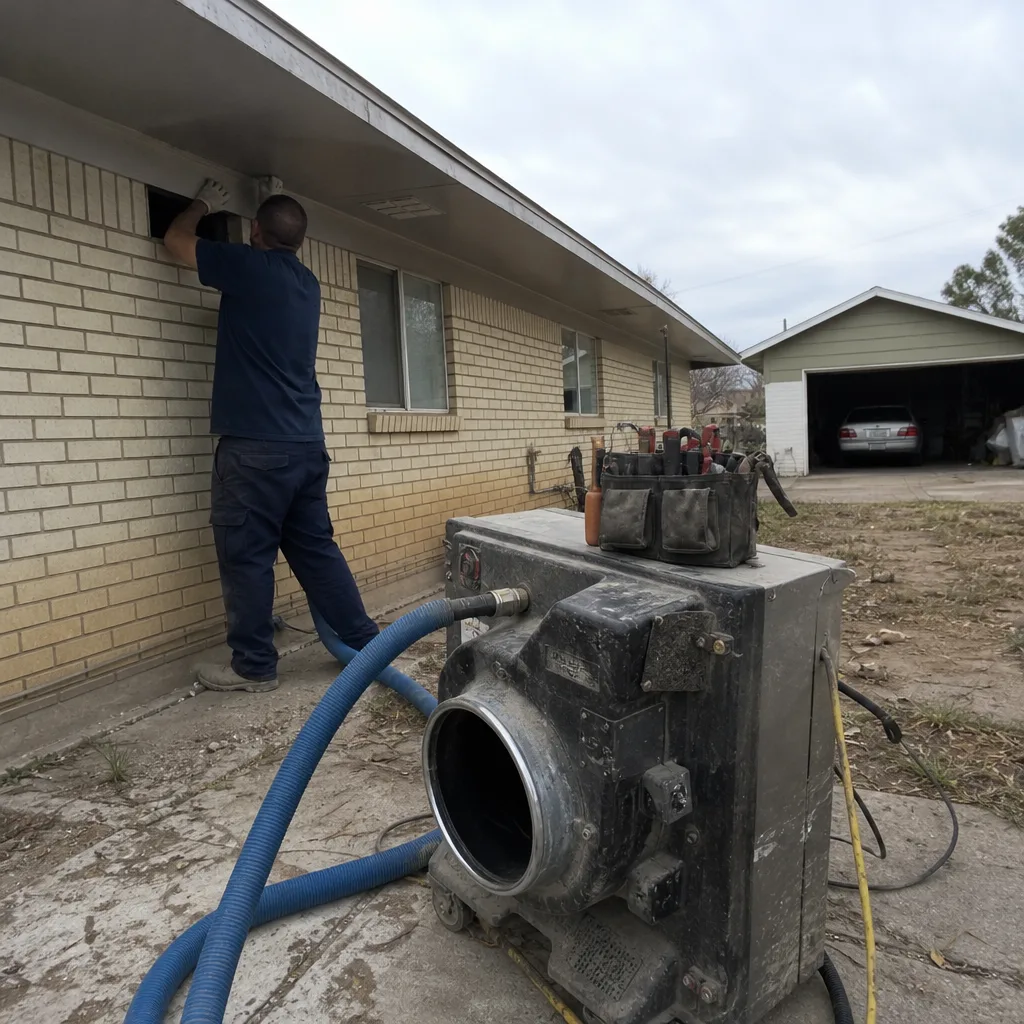 Before
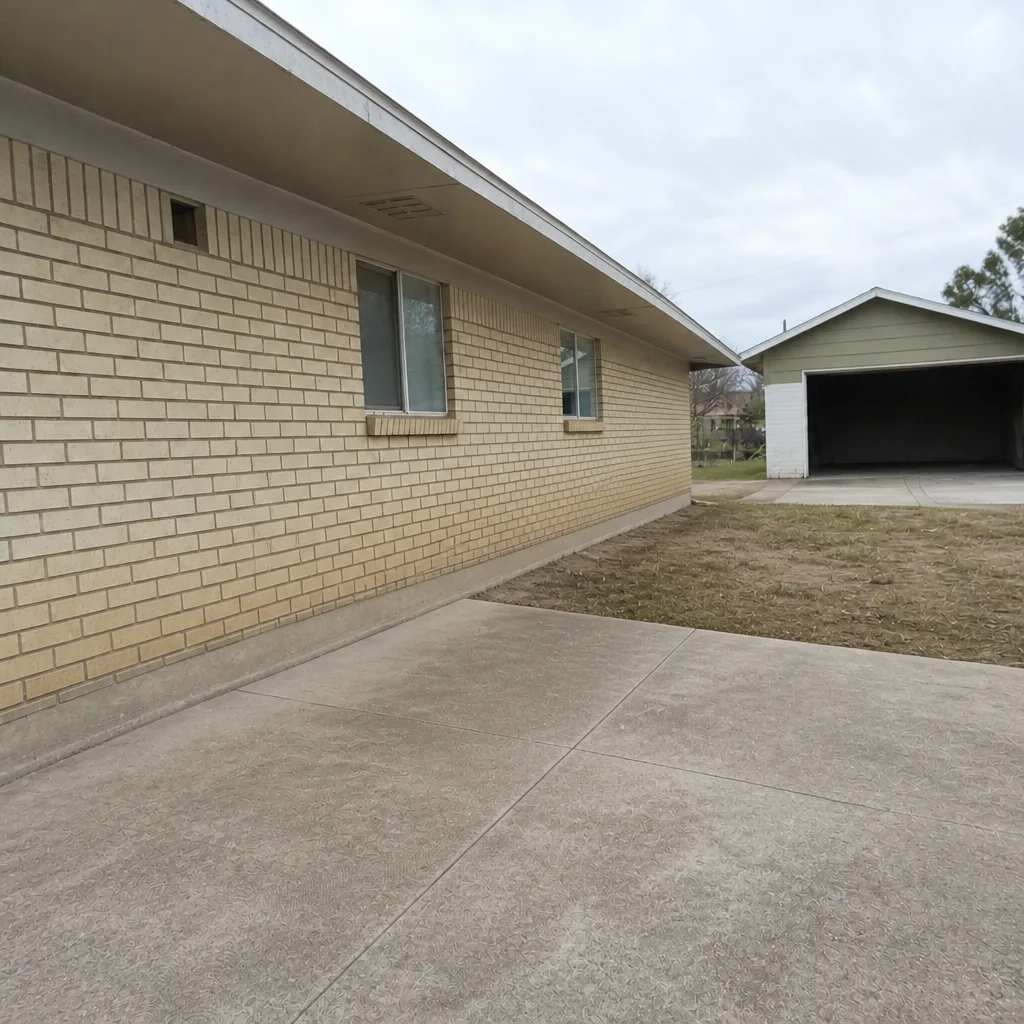 After
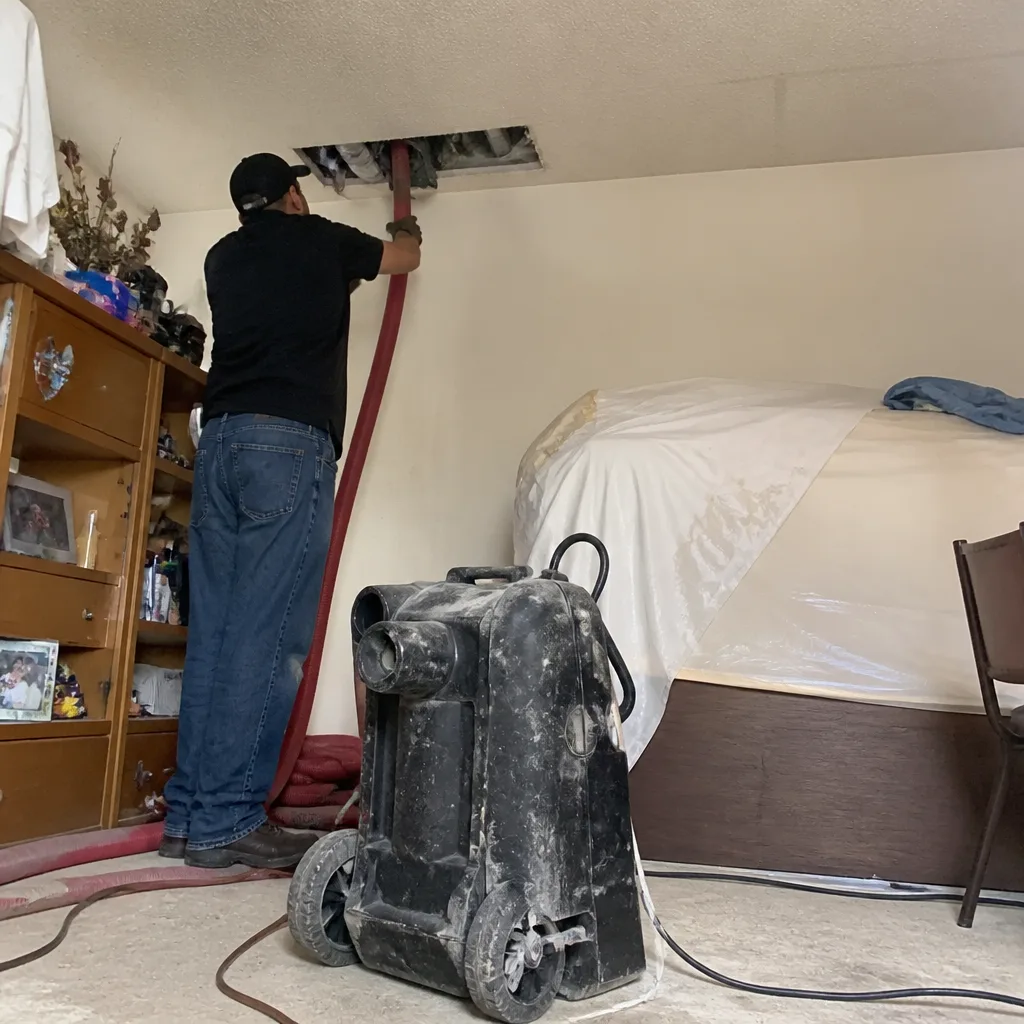 Before
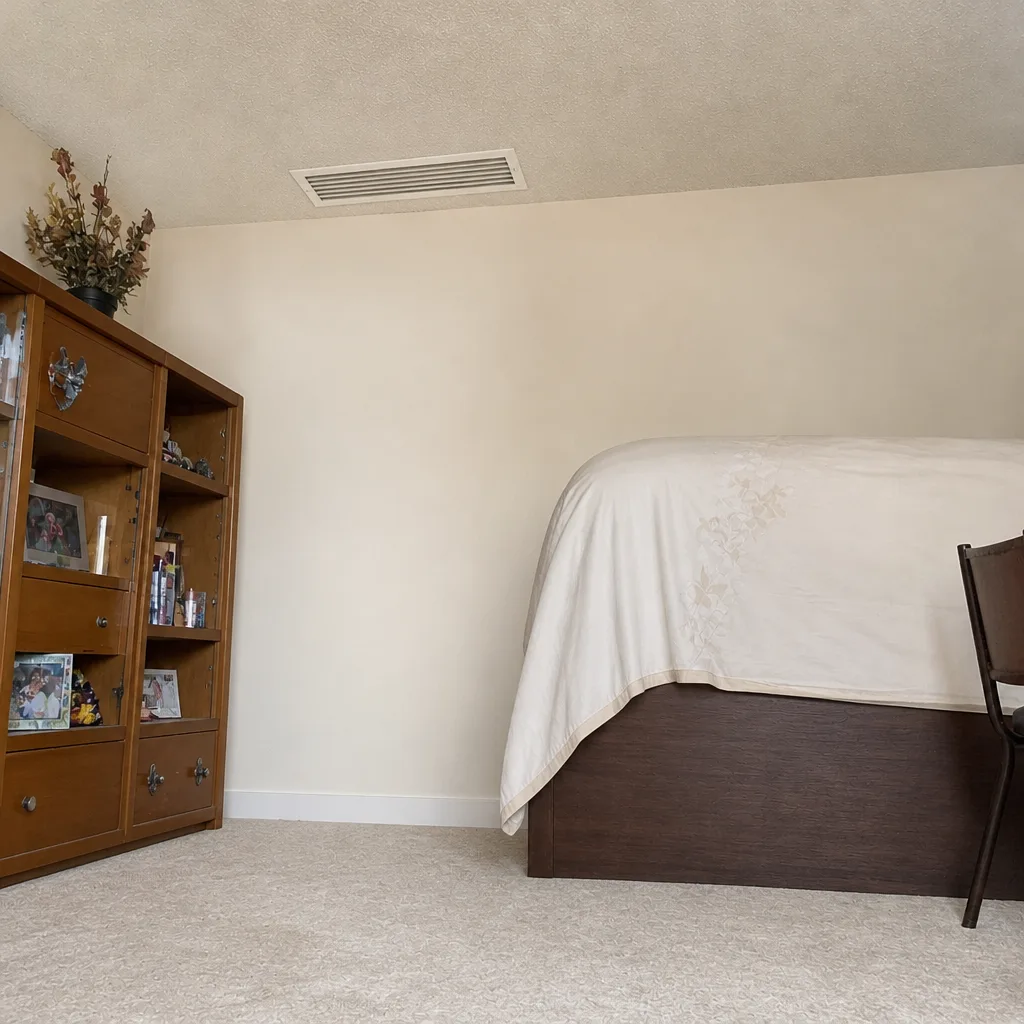 After
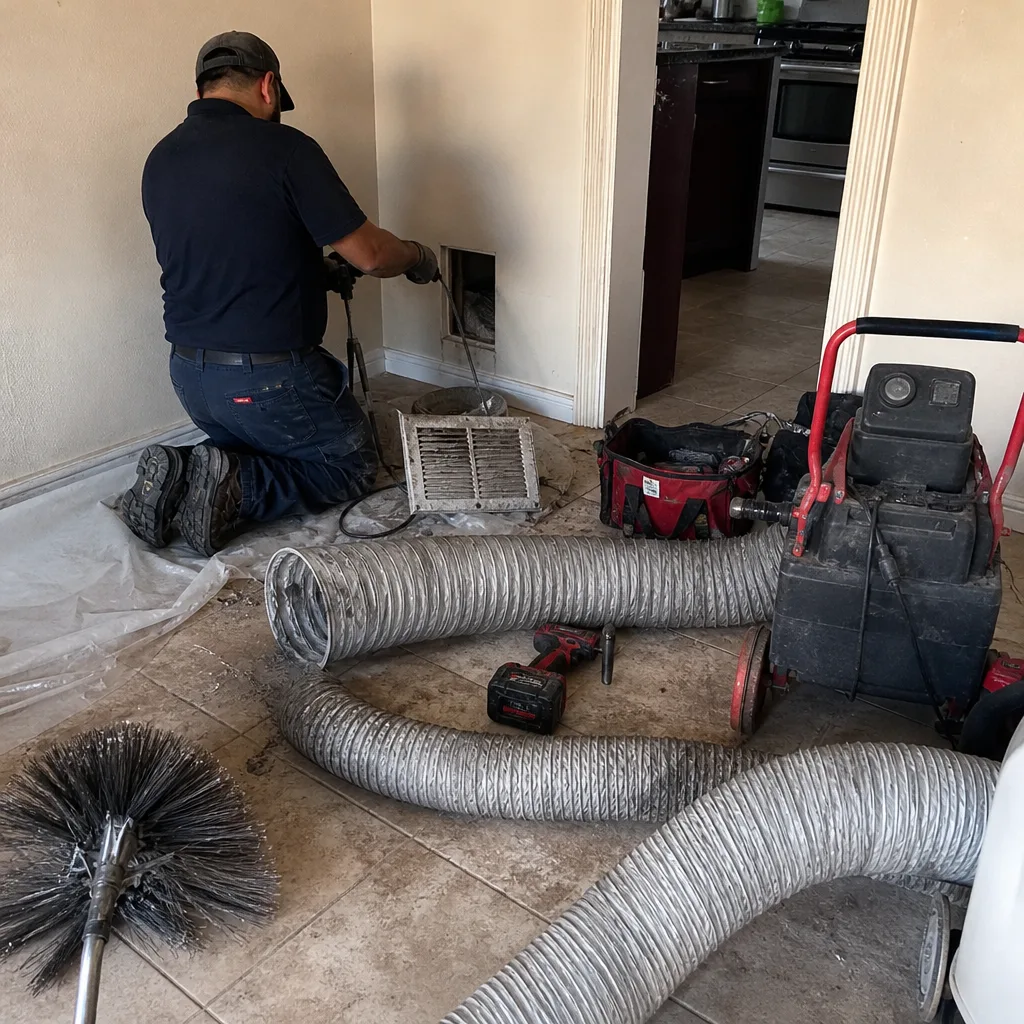 Before
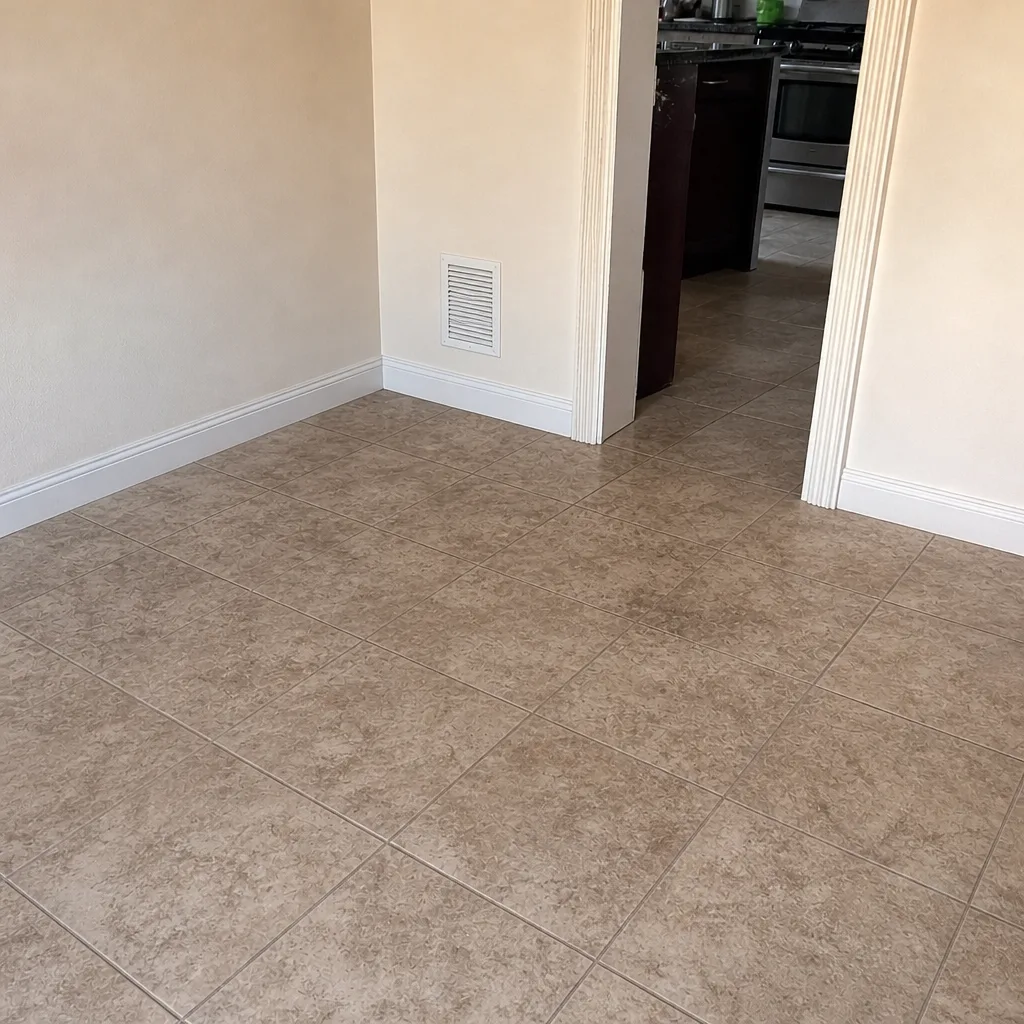 After
When to Call a Professional
Some duct work is homeowner-appropriate – changing a filter, clearing a blocked return grille, checking the condensate pan. Other situations call for a professional with proper equipment. Book an inspection if you see a visible dust film on return grilles weeks after cleaning, hear whistling or weak airflow at a return, smell dust or mustiness when the system starts, see standing water at the air handler, or are about to run the heat for the first time in fall. If you’re not sure when the system was last cleaned, or you’re moving into a home with an unknown service history, that’s also a reason to inspect. We offer free estimates in El Paso, and our dryer vent cleaning service is worth booking at the same visit if your dryer is taking longer than it used to – lint-clogged vents are a fire-safety issue, not a maintenance checkbox. Call (866) 942-6158 to book an inspection. We answer 24/7. Fast dispatch from 7am to 7pm, Sunday through Friday.
Frequently Asked Questions
Once a year is a reasonable minimum for most El Paso homes, but the timing matters more than the frequency. A single annual cleaning scheduled in late spring, after the dust season, holds better than one done in early spring. Homes with leaks, seasonal vacancy, or respiratory sensitivity in the household often benefit from a two-visit year: a sealing inspection in late winter and a pre-heating inspection in early fall. Call (866) 942-6158 for an assessment of what your specific home needs.
Late winter or early spring for the sealing inspection, and late spring for the cleaning itself. The dust season runs March through June, so cleaning before it means the ductwork gets refouled immediately. Cleaning after the dust window, with return-duct sealing done beforehand, means the clean system holds going into summer. The fall pre-heating inspection is the other high-value visit, timed before the first heat cycle.
Yes, and mostly through return-duct leaks rather than through the filter. A return duct that’s loose at a joint, disconnected at a boot, or unsealed at a plenum penetration pulls unfiltered air from attics, wall cavities, and garages whenever the fan runs. During a dust event, the pressure differential across that leak increases and the infiltration gets worse. That’s why the sealing inspection comes before the cleaning, not after it.
Because accumulated debris in the heat exchanger and ductwork is burning off during the first heat cycle. All summer, dust and particulate settle in the system while it runs in cooling mode. The first time the heat comes on, that material heats up and the smell moves through every vent. The fix is to inspect and clean before the first cycle, and to have the heat exchanger checked by a qualified heating technician before you rely on it for the season.
Yes, and on a different schedule than an occupied home. Vacant homes have stagnant air, so dust settles on duct walls instead of moving to the filter. Moisture at the air handler in summer can sit longer and feed growth. Return-duct leaks still draw in dust during vacancy. Inspect and clean before vacancy, seal any leaks, leave a fresh filter, and re-inspect before reoccupation.
Cleaning removes accumulated debris from the ducts and plenum. Repair seals, reconnects, or restores damaged ductwork. They address different problems, and cleaning without repair on a leaky system is a short-term fix – the leak stays open and the dust keeps coming in. We offer both as standalone services, which means a sealing inspection can turn into a repair on the same visit if that’s what the system needs. Call (866) 942-6158 for a free estimate on either service.
The Bottom Line
El Paso’s duct calendar isn’t the national one. The dust season, the summer cooling peak, the fall heating startup, and the winter inversions each load your system differently, and each calls for a different response. The two visits that matter most are the late-winter sealing inspection, before the dust season, and the early-fall pre-heating inspection, before the first heat cycle. Clean after the dust window, not before it. Upgrade filtration for inversion season. And if your home sits empty part of the year, work the vacancy schedule separately. Get the timing right and the cleaning holds. Get it wrong and you’re cleaning a system that refouls itself within weeks. If you want the calendar mapped to your specific home, our team at Duct Cleaning El Paso offers free estimates – call (866) 942-6158 to book one. We answer 24/7, with fast dispatch from 7am to 7pm, Sunday through Friday.
Written by the team at Duct Cleaning El Paso.