
Last updated November 15, 2026
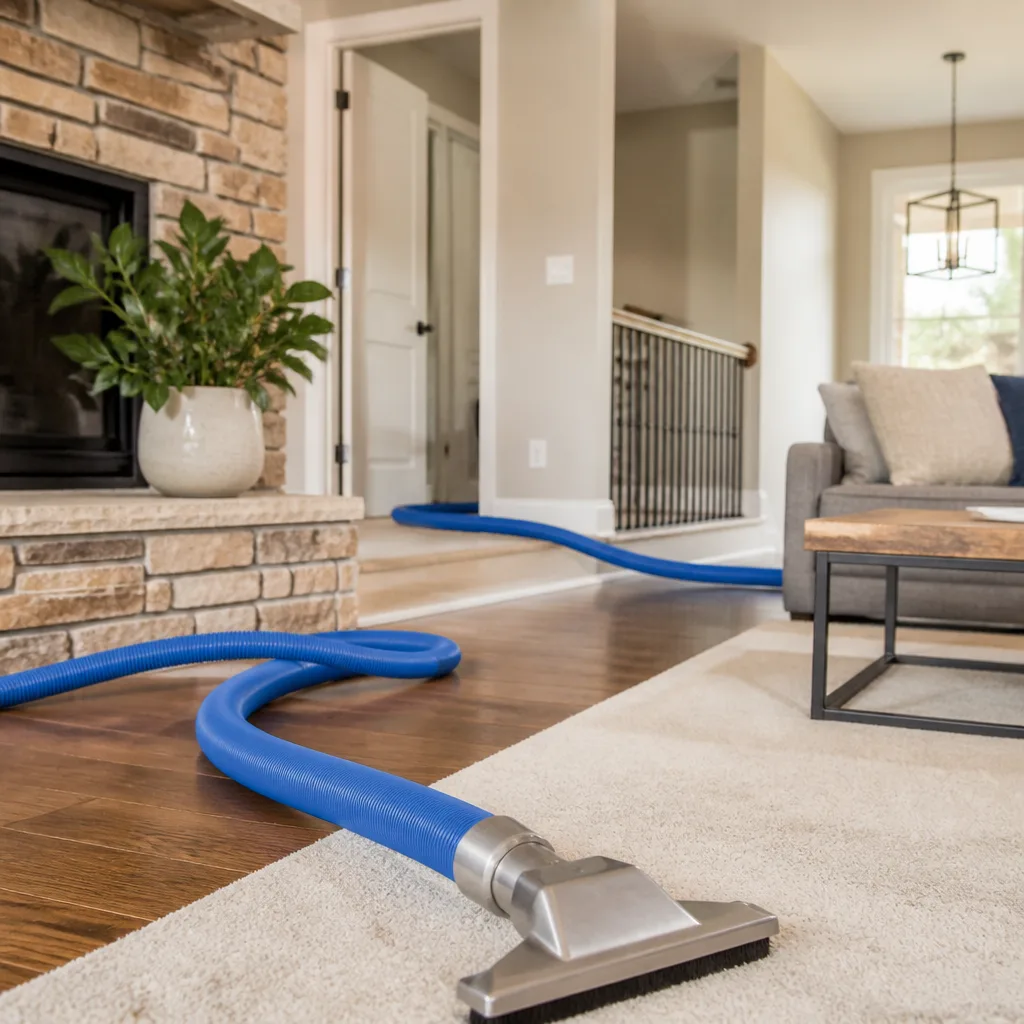 Whole-home duct cleaning
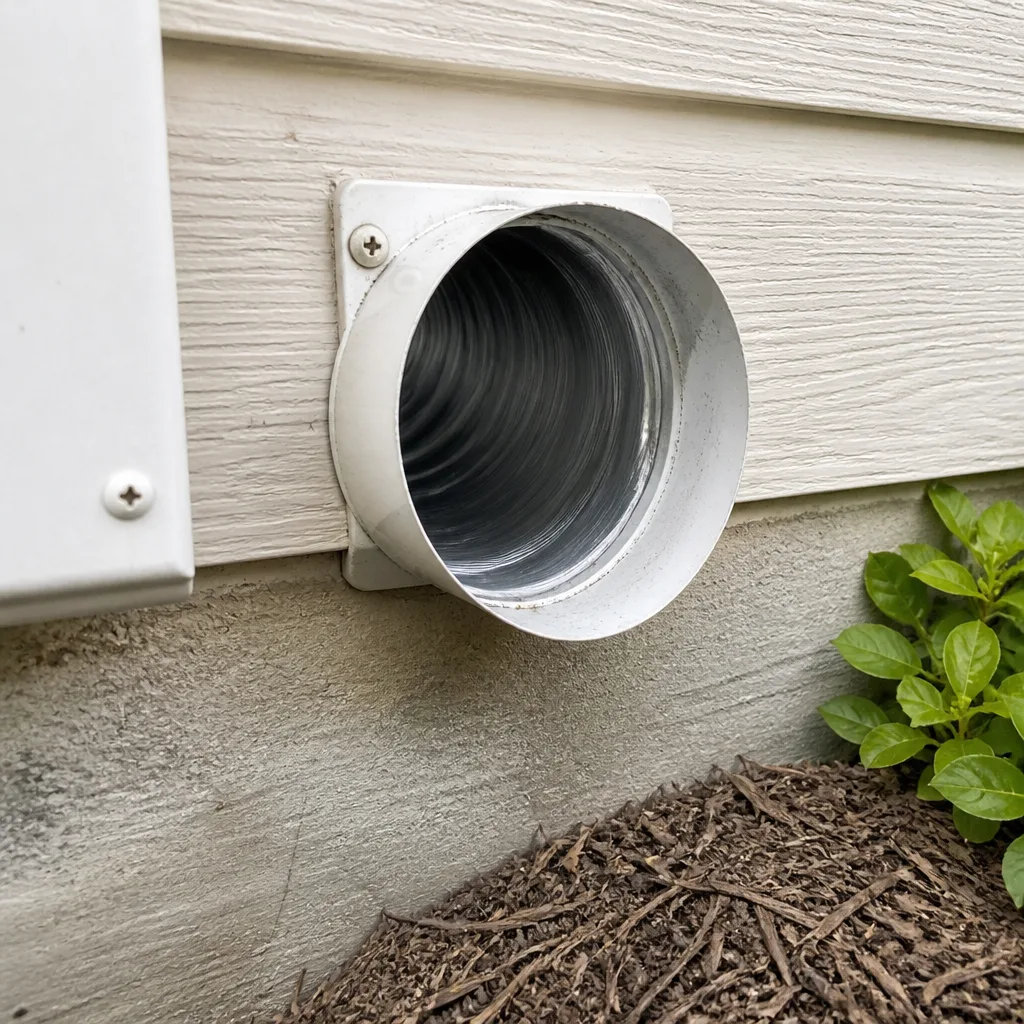 Dryer vent cleaning
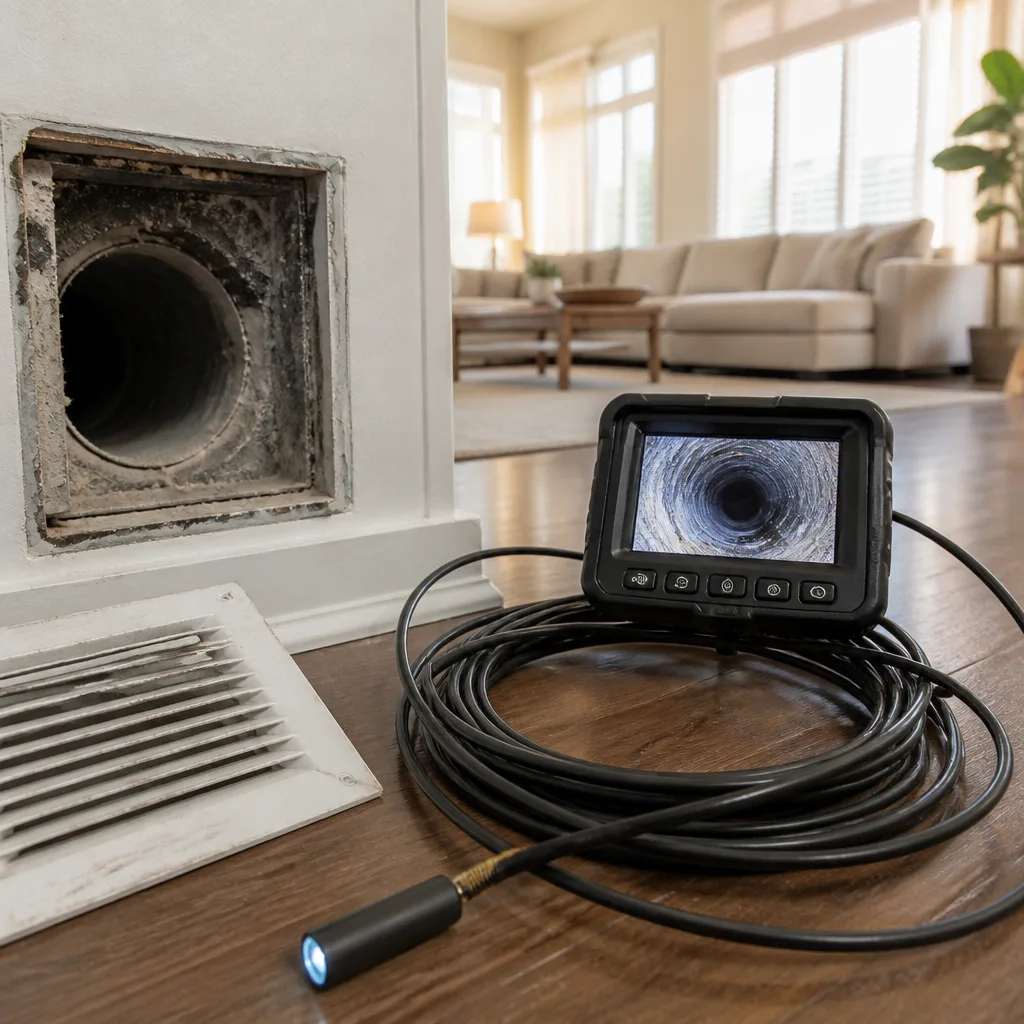 Camera inspection
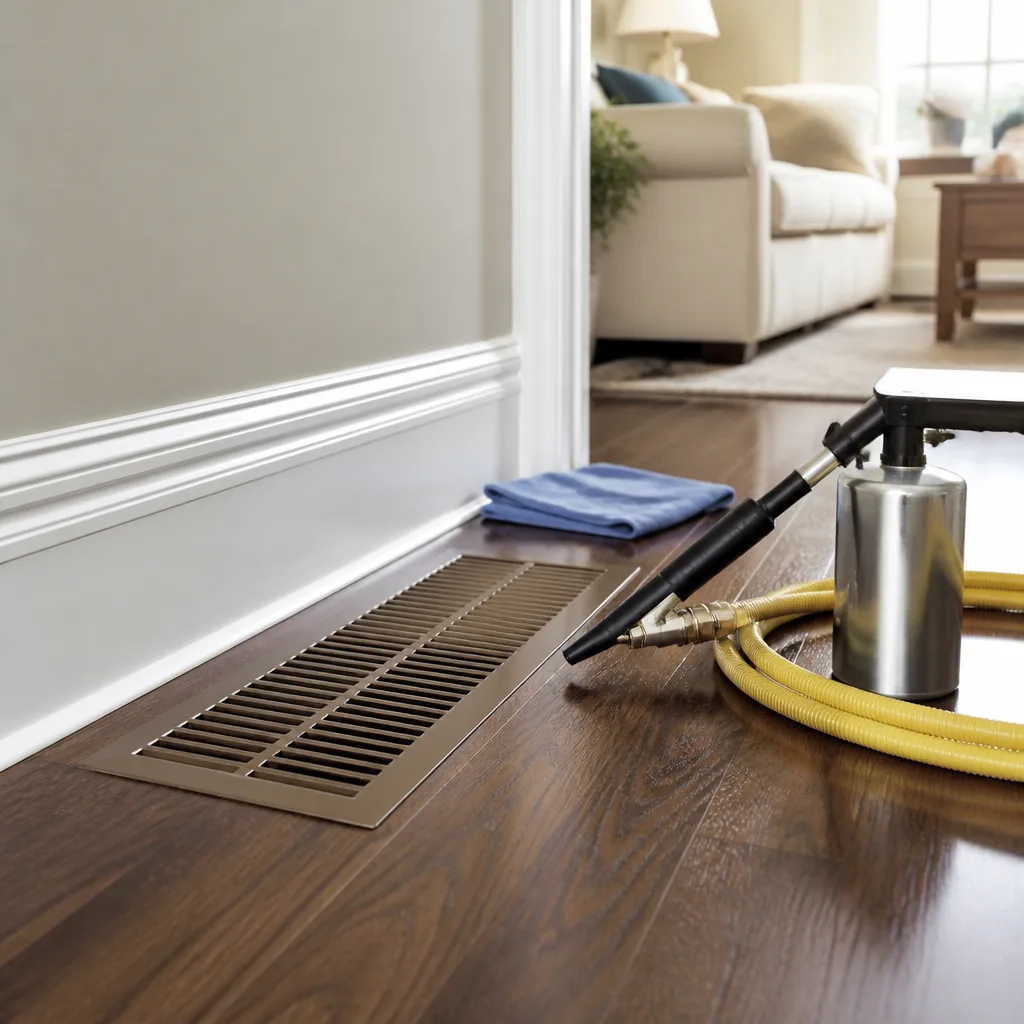 Sanitizing & deodorizing
Whole-system duct and dryer vent check with before-and-after photos - you see exactly what came out of your vents
That "$99 whole-house special" is a bait ad - the real number appears once they are in your hallway, or the "clean" is a shop-vac at the register. We photograph the inside of your ducts before and after instead.
Air Duct Cleaning Maintenance Checklist for El Paso Homeowners
Most homeowners treat duct cleaning like a car’s oil change: pick an interval, add it to the calendar, forget about it. That model breaks down in El Paso. Dust season here doesn’t follow a neat schedule. A single haboob rolling through the valley can push more particulate into your return vents in twenty minutes than months of ordinary operation, and then the air settles and nothing seems urgent again. Between those events, the small habits you keep up matter as much as the cleaning appointment itself. This guide lays out a 12-month action calendar tied to how El Paso’s air, wind, and housing actually behave, so you’re responding to conditions instead of guessing at intervals.
Quick Answer
A practical air duct maintenance checklist for El Paso means checking filters after every dust or wind event, inspecting registers monthly for caliche dust buildup, scheduling professional cleaning when you see caked deposits or smell mustiness, and treating the spring switch from heating to refrigerated air as a mandatory inspection point. Between service visits, sealing register boots and logging what you find keeps your system cleaner longer than the calendar alone ever will.
Styles & brands we work with
- Whole-home duct cleaning
- Dryer vent cleaning
- Camera inspection
- Sanitizing & deodorizing
Table of Contents
- Why El Paso Ducts Need a Weather-Driven Checklist, Not a Calendar
- Filter Checks Tied to Wind Events and Dust Advisories
- How to Inspect Registers: Caliche Dust Cake vs. Surface Dust
- The Spring HVAC Transition: Your Most Important Inspection Moment
- Sealing Register Boots to Slow Recontamination
- The 12-Month El Paso Duct Action Calendar
- Building a Documentation Log That Actually Helps the Next Contractor
- Dryer Vent: The Checklist Item That’s Really a Fire-Safety Check
Why El Paso Ducts Need a Weather-Driven Checklist, Not a Calendar
El Paso sits in the Chihuahuan Desert, and the air that moves across the city carries fine particulate most of the year. The spring and early summer wind season is the obvious part. What surprises people is how much of that material ends up inside the return side of an air handler, because a return vent pulls from floor level or low on a wall where heavy dust settles. Once it’s in, it doesn’t leave on its own.
The standard advice you’ll read online says to clean ducts every three to five years. That’s a reasonable default for a house in a temperate climate with moderate outdoor dust and a well-sealed system. El Paso isn’t that house. A home here can accumulate significant deposits in a single windy season if the return is unfiltered or the filter is undersized, and a home on the Westside near the Rio Grande valley floor can look worse than one higher up on the Northeast because airborne dust behaves differently at different elevations and wind exposures.
What actually works is a hybrid approach. You keep the professional cleaning interval in the background as a fallback, and you let weather events drive your in-between action. That means:
- Filter checks triggered by visible dust plumes and advisories, not just the first of the month
- Register inspections every few weeks during wind season and monthly the rest of the year
- A full system walkthrough at the heating-to-cooling changeover each spring
- A simple written log so you know what happened and when
This isn’t busywork. It’s how you avoid paying for a full air duct cleaning more often than you need, while still catching real problems before they affect air quality or the air handler. Some homeowners in El Paso can stretch their cleaning interval longer than the generic three-to-five-year suggestion because their system is tight and their filters are good. Others need attention sooner. The checklist tells you which group you’re in.
Filter Checks Tied to Wind Events and Dust Advisories
The single most valuable habit you can build is checking your filter after a dust event rather than on a fixed day. A filter’s job is to catch particulate before it reaches the coil and the duct run. In El Paso, a filter can load up in a week during a bad wind stretch and sit nearly clean for a month when the air is calm.
Here’s a trigger system that works:
- After any visible dust storm or haboob: pull the filter and check it within a day. Hold it up to a light. If you can’t see light through it, change it.
- When TXDOT or local air-quality sources issue a blowing-dust advisory: treat it like a warning that your filter is about to work hard. Check within 24 to 48 hours of the advisory clearing.
- After any high-wind day where you notice grit on the windowsills: that grit reached your interior air, and some of it reached your return. Check the filter.
- During calm stretches: check monthly. Even quiet air carries fine caliche dust that accumulates slowly.
- Whenever you notice more dust settling on furniture than usual: that’s a downstream signal. The filter may not be catching what it should.
A few practical notes. The filter you choose matters as much as how often you check it. A cheap fiberglass panel filter catches very little; a pleated filter with a proper MERV rating catches far more and protects the system. We stock and service Honeywell and Aprilaire filtration products, which is useful when a homeowner wants a filter setup that can handle El Paso dust without choking airflow. The balance point matters, because an over-restrictive filter in an undersized return can strain the blower. If you’re not sure what your system can handle, that’s a question for a technician. For a deeper look at how the full system fits together, see our guide to Duct Cleaning El Paso.
How to Inspect Registers: Caliche Dust Cake vs. Surface Dust
There’s a difference between light dust on a register louver and caked deposits inside the boot, and the difference tells you whether you’re on schedule or overdue. You can see it yourself with a flashlight and two minutes per register.
Remove the grille and look inside the boot (the sheet-metal collar that connects the register to the branch duct). Point the flashlight up the branch run. What you’re looking for is the distinction between surface dust and dust cake.
- Surface dust: a fine, even film on the metal. It wipes off easily with a dry cloth. This is normal and not a reason to call anyone.
- Caliche dust cake: a thicker, tan or gray-brown layer with texture, sometimes cracked or flaking, that doesn’t wipe off cleanly. It sticks to the metal, often in the corners and along seams. In El Paso, this cake is largely mineral dust mixed with household lint, and it forms faster than the organic dust you’d see in a humid climate.
- Dark or greasy deposits: unusual in a residential supply run, but if you see them, it can indicate something upstream that needs professional eyes.
- Visible debris chunks, insulation fibers, or pest evidence: call for a professional inspection. These aren’t dust issues and won’t resolve with cleaning alone.
Work room by room. Supply registers closest to the air handler tend to look cleaner; the far end of the longest branches is where deposits build first, and those rooms are usually the ones that feel dusty. Note which registers show cake and which show only surface dust. That pattern becomes a useful record for the next cleaning visit.
What each finding means for urgency: light surface dust across every register is your baseline, keep up the habits. Cake in one or two registers is a nudge to schedule a cleaning rather than a scramble. Cake in most registers, especially with a musty smell when the system runs, means you’re overdue and should get a professional assessment. If you’re seeing actual mechanical problems, like disconnected duct sections or crushed flex runs, that’s a separate job covered under air duct repair.
The Spring HVAC Transition: Your Most Important Inspection Moment
El Paso homes typically run heat in winter and refrigerated air in summer, and the switch between the two is the single best time to inspect the duct system. It’s the moment when the system has been idle on one mode, is about to run hard on another, and any accumulated dust is about to get pushed through the house.
Here’s how to treat the transition:
- Before the first warm stretch: run the fan only (no cooling) for a few minutes with all registers open, and watch what comes out. A puff of settled dust on startup is normal. A visible cloud or a persistent smell is not.
- Walk every register: check airflow at each supply. Weak airflow at one register can mean a crushed or disconnected branch duct, not just dirt.
- Inspect the air handler compartment: look at the filter, the coil (if visible), and the blower area. Rust, moisture, or heavy dust on the coil means it’s time for professional attention.
- Listen: whistling at a register, rattling ductwork, or louder-than-usual blower noise is information. Note it.
- Log it: write down the date, what you observed at each register, and any changes from last spring. This is the entry that makes your log worth keeping.
The transition matters most in homes with refrigerated air systems because the cooling coil stays wet during the cooling season. Wet surfaces plus dust that reached the system over the dry winter are a worse combination than dust alone, and the cooling run has to push air through whatever’s there. A Spring check that finds cake in the returns is much cheaper to address than waiting until the middle of summer when the system has been cycling all day. If you’re in a home that was closed up through winter, this inspection is even more important.
The same logic applies in reverse when you switch back to heat in fall, though the stakes are lower. A quick walkthrough and a filter check is enough. The spring transition is the one to take seriously.
Sealing Register Boots to Slow Recontamination
After a professional cleaning, the work you do to seal the register boots determines how long the clean condition lasts. A loose boot lets dust bypass the filter, and in El Paso’s dust-loaded air, that gap recontaminates a freshly cleaned run faster than you’d think. Sealing is a home-improvement task, not a duct-cleaning secret, but it’s the step most checklists leave out.
What to check at each register boot:
- Does the metal boot sit flush against the drywall or plaster with no visible gap?
- Is the joint between the boot and the branch duct taped or sealed, or is there a visible seam?
- Is the grille tight against the wall, or loose enough to let air leak around the edges?
- Does the sealant look dried out or cracked? Foil tape and mastic dry out over time, especially in a climate with big temperature swings.
How to seal it correctly:
- Turn off the system before working on any register.
- Remove the grille. Clean dust from the boot lip and the surrounding drywall with a dry cloth.
- Use foil-backed HVAC tape, not cloth duct tape or painter’s tape. Foil tape holds in heat and cold without drying out.
- Run tape over the boot-to-duct joint and any visible gaps. Press firmly and smooth the tape down so it’s flush.
- For larger gaps, use mastic sealant rated for HVAC. Apply with a brush, let it cure, then tape over the seam.
- Reinstall the grille and confirm the airflow feels the same as before. If a register now feels weak, the seal may be blocking a return path. Get that checked.
We see leaks at boot joints so often during routine cleaning that we treat sealing as part of the job, not a separate upsell. If you find a boot that’s not just leaky but physically damaged (cracked, pulled loose, disconnected), that’s repair territory. Our air duct repair service handles that directly. A quick annual sealing pass cuts the dust that makes it back into your ducts between cleanings, which extends your cleaning interval and keeps your indoor air more consistent.
The 12-Month El Paso Duct Action Calendar
Here’s a full-year schedule built around El Paso’s actual weather and HVAC cycles. Adjust the months slightly if the season arrives early or late, but keep the order intact because the dependencies matter.
- January (mid-winter): Monthly filter check. Register inspection. Log any changes in how the house feels or heats. Heating season dues are the lightest on the dust calendar.
- February: Filter check. Begin watching for early wind events. Schedule a professional cleaning now if last spring or summer’s checklist flagged cake you didn’t address. Booking before the spring rush is easier than during it.
- March (spring transition): The big one. Full system walkthrough at the heat-to-cooling switchover. Filter check, register inspection, airflow check at every supply, air handler compartment check. Write the log entry.
- April: Filter check within 48 hours of any dust event or advisory. Register inspection every two to three weeks during wind season. This is peak dust month for many El Paso homes.
- May: Continuing wind season. Filter checks per event. Full register inspection at month-end. Re-seal any register boots you notice loosening.
- June: Wind tapers. Filter checks move toward monthly. Cooling system running hard, so pay attention to musty smells or dust puffs on startup.
- July: Monthly filter and register check. Peak cooling season. Watch for airflow drops at registers, which can mean filter loading or duct issues.
- August: Monthly check. If your log shows the last cleaning was more than 18 to 24 months back and you’ve been finding cake at registers, schedule a cleaning.
- September: Late-summer walkthrough. Filter check. Register inspection. Note any rooms that stayed dustier than others through the summer, since those often correlate with duct issues.
- October (fall transition): Switchover to heat. Quick filter check and register inspection. Log entry.
- November: Monthly filter check. Register inspection. If you haven’t done a full professional cleaning in two or three years of El Paso dust, this is the calm season to schedule it.
- December: Year-end review. Read back through your log. If your register notes show cake appearing in more rooms than last year, or the system seems to be running differently, that’s the strongest signal for a professional appointment.
The full calendar is a lot to hold in your head, so the log does the heavy lifting. Most homeowners find the pattern after one year and stop needing to consult the calendar.
Building a Documentation Log That Actually Helps the Next Contractor
Most homeowners keep no record of their duct work at all. That’s a problem when you sell the house, when a new technician arrives, or when a warranty question comes up. A simple written log solves it, and it takes less than five minutes per entry.
What to log:
- Date of every filter change and every filter check where you decided not to change it
- Manufacturer and model number of each filter, so the next visit uses the right one
- Register-by-register notes from each inspection: surface dust, cake, or clear
- Any sealing or repair work done, with what was done and when
- Service calls: who came, what was done, and what they observed
- Weather notes: major dust events or advisories that correlate to a filter change or register finding
Why it matters for the next contractor:
When a technician arrives, a clear log tells them where to look. If your notes say the northeast bedroom register has been the problem register for two years, that’s a specific, actionable lead. Without the log, the technician starts from scratch and every inspection is a fresh survey. The log also helps you evaluate quotes, because you can ask whether a proposed scope addresses the problems you’ve actually documented.
For El Paso specifically, the weather correlation in your log is useful. If you can show that the return-side cake intensified after a specific dust event, that’s a real observation the technician can factor into how they approach the job. It also helps a homeowner decide between waiting on cleaning and scheduling it.
How to keep it:
- Pick a single place: a notebook by the HVAC closet, a note on your phone, or a shared document. Nothing fancier is needed.
- Use the same five columns every time: date, what you did, where you did it, what you saw, what you decided.
- Photograph problem registers and filters with your phone, and label them with the date and the room. Photos catch what words miss.
- Keep filter model numbers in the log so you’re not guessing at the store.
- Bring it out for any professional visit and offer to share it. A good technician will use it.
If you’ve documented a history of cake buildup or recurring returns to the same register, that’s a strong signal a professional air duct cleaning service is due. The log tells you it’s time; you don’t have to guess.
Dryer Vent: The Checklist Item That’s Really a Fire-Safety Check
Duct maintenance and dryer vent maintenance often get lumped together in the same checklist, but the stakes are different. A clogged air duct affects comfort and air quality. A clogged dryer vent is a fire hazard. Lint is highly combustible, and a vent that can’t exhaust properly traps heat in the dryer and the duct run, which is why dryer vents rank among the leading causes of residential fires. Treat this item on your checklist as a safety check, not a cosmetic one.
What belongs on the checklist:
- Inspect the lint trap after every load, not just when it looks full.
- Check the exterior vent flap monthly to confirm it opens freely when the dryer runs. A stuck flap means the vent is blocked or the run is clogged.
- Look at the flexible transition duct between the dryer and the wall every few months. It should be smooth and free of crushing or kinks, since a crushed transition traps lint.
- Watch dry times. A dryer that used to finish a load in one cycle and now takes two is a warning sign.
- Watch for heat on the dryer body or a hot laundry room. Both point to restricted exhaust.
Full vent run cleaning is beyond what most homeowners can do safely because it requires reaching the entire run, including elbows and the exterior termination. That’s the work our dryer vent cleaning service covers. We treat it as a fire-safety service, cleaning the whole run rather than just the visible section near the dryer. Some vent runs in El Paso homes are long, routed through the attic or across the exterior wall, and those are exactly the ones where a partial cleaning leaves the most dangerous part untouched.
If you haven’t had the vent looked at in years, or if your dry times are creeping up, put it at the top of the checklist instead of the bottom.
Common Mistakes to Avoid
- Cleaning on a fixed calendar instead of weather triggers. A haboob can deposit weeks of normal dust in twenty minutes. If you only clean in April, you’re missing the events that matter most. Check filters after every major wind event, not just on the first of the month.
- Using cloth “duct tape” on register boots. It dries out and peels in El Paso’s temperature swings. Foil-backed HVAC tape holds far longer and actually seals.
- Buying the highest-MERV filter available. More isn’t better if it chokes airflow. Match the filter to what your system’s return can handle; Honeywell and Aprilaire have options at multiple levels for a reason.
- Skipping the spring switchover check. The heat-to-cooling transition is when accumulated winter dust gets pushed into your home. If you only do one inspection a year, make it that one.
- Confusing surface dust for cake. Light dust on a grille is normal. Cake that sticks to the boot and cracks is a signal it’s time to schedule. Most homeowners misclassify both directions.
- No documentation. A cleaning or repair with no written record is a cleaning that’s hard to build on. Keep the log even if it feels unnecessary.
- Treating the dryer vent like a cleaning task rather than a safety item. A restricted vent is a fire risk, and a partial cleaning of a long run misses the worst of the problem.
See the difference
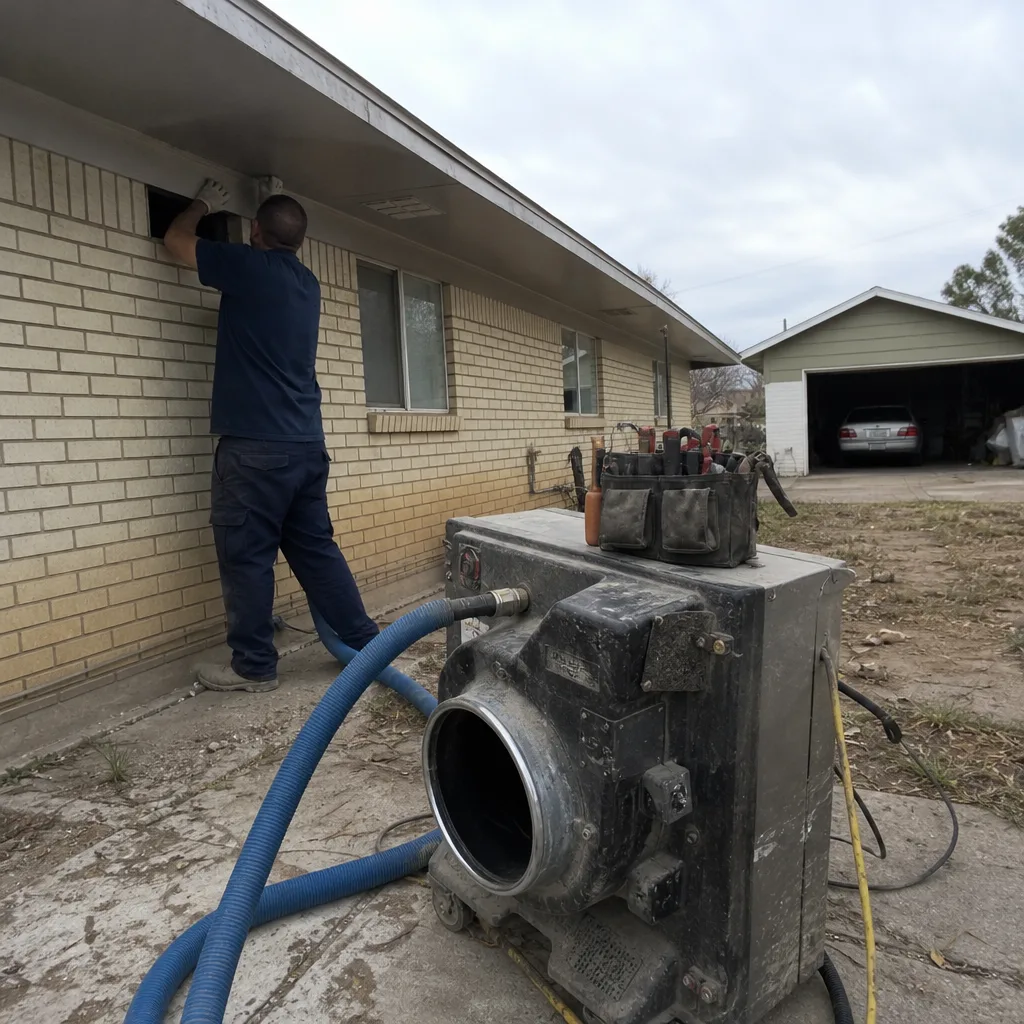 Before
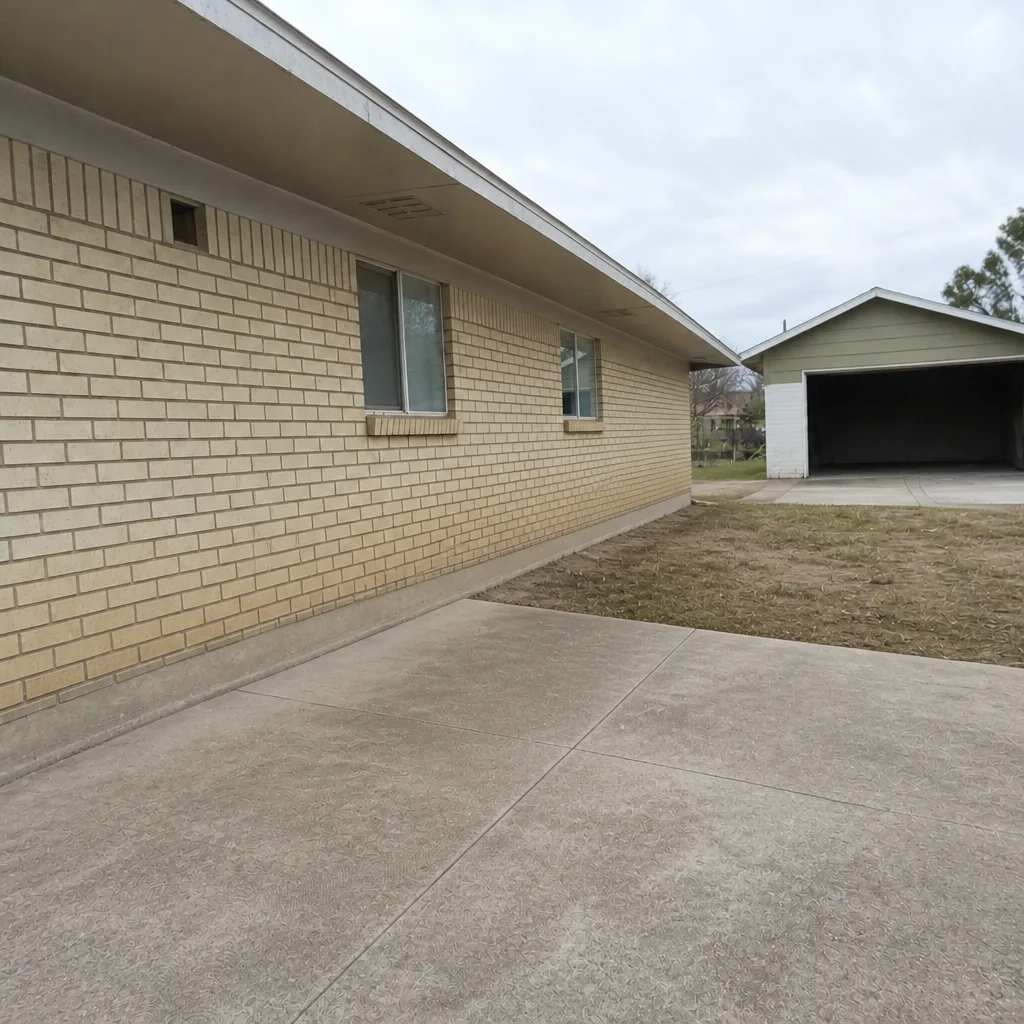 After
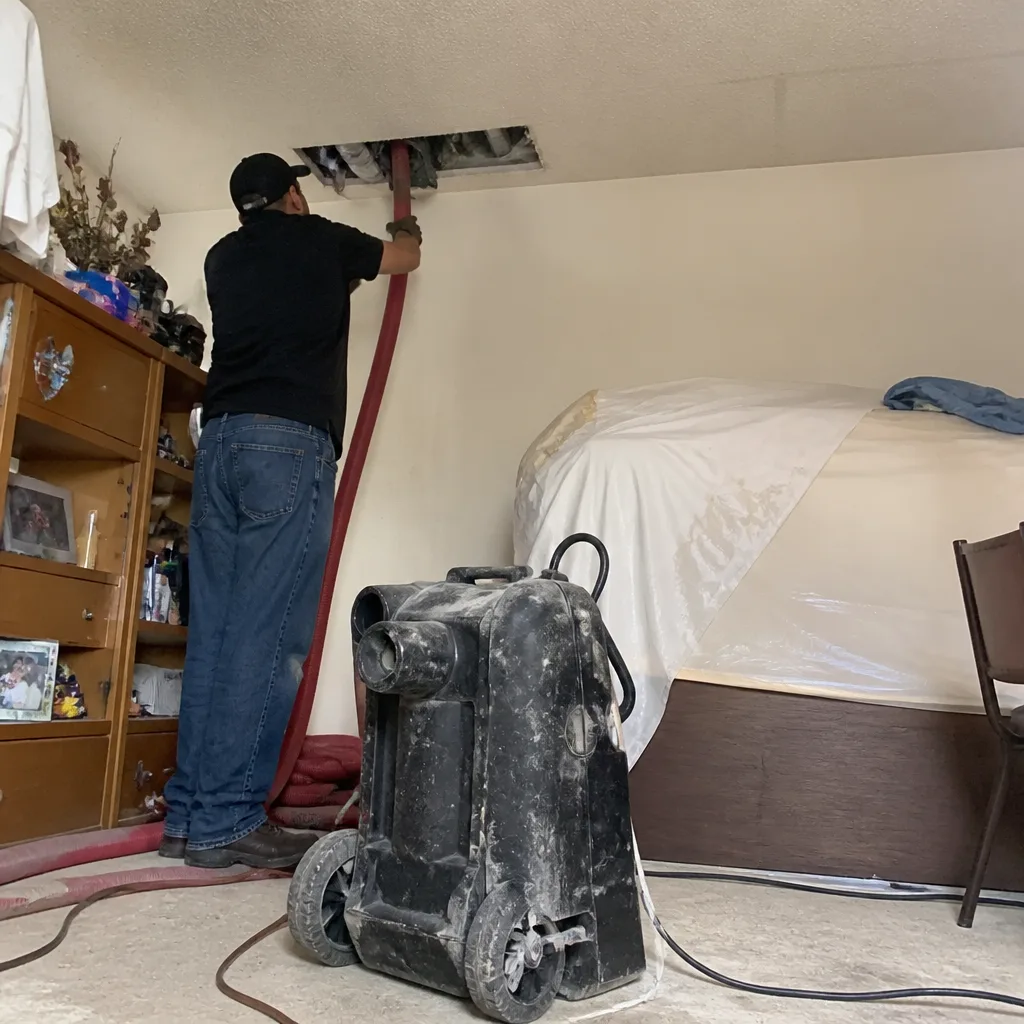 Before
 After
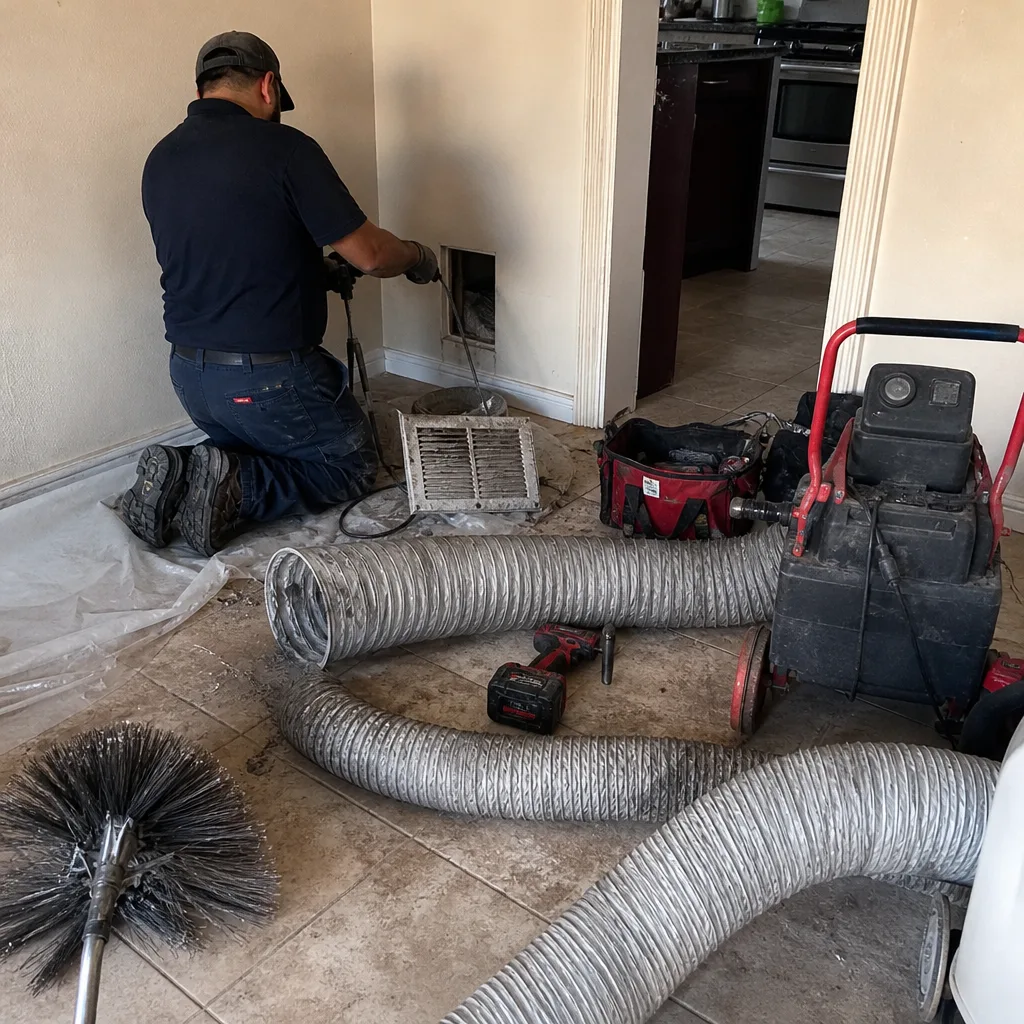 Before
 After
When to Call a Professional
Some checklist tasks you can do yourself. A few shouldn’t wait. Call for professional help if you see cake in most registers, smell mustiness whenever the system runs, or notice a persistent dust cloud on startup. Call if a register has weak airflow that wasn’t there before, if you see damaged or disconnected ductwork, or if the air handler compartment shows rust or heavy dust on the coil. Call if your log shows the same problem coming back year after year, which often points to a sealing or repair issue that cleaning alone won’t solve. And call for the dryer vent if your dry times have grown, the exterior flap doesn’t open freely, or the vent hasn’t been cleaned in years.
Duct Cleaning El Paso offers free estimates in El Paso – call (866) 942-6158. Our technicians have up to 10 years of experience, and we use professional-grade equipment from Rotobrush and Nikro so the cleaning dislodges and extracts rather than stirring up what’s there. The El Paso climate doesn’t give your ducts a break, and neither does the checklist. We can work with your insurer if a repair turns out to be needed, and every job comes with a written estimate so you know the price before work begins.
Frequently Asked Questions
Most El Paso homes do best with professional cleaning every two to four years, but the right interval depends on your filter setup, how tight your duct system is, and how often you check your registers. A home in the valley floor area with a fine dust exposure and an undersized return may need attention sooner than a home higher up. Let your documentation log drive the decision instead of a fixed number.
No, cleaning after every event is unnecessary and expensive. What you should do after a dust storm is check the filter and inspect registers within a couple of days. If the filter is loaded, change it. If registers show new cake, note it in your log. Schedule professional cleaning when the pattern builds, not for every event.
Yes, sealing register boots is a reasonable homeowner task if you use foil-backed HVAC tape or mastic sealant, and you turn the system off first. If you find a boot that’s disconnected, crushed, or damaged, though, get it inspected, because that’s a branch or boot repair, not a sealing job.
Surface dust is a thin, even film that wipes off easily. Caliche dust cake is a thicker, textured, tan or gray-brown layer that sticks to the metal inside the boot and can crack. Cake forms faster in El Paso because the mineral dust here is heavy and coarse compared to what’s common in more humid climates.
Yes. The spring transition is the single best inspection moment of the year. That’s when the system has been idle on heating mode, is about to run cooling hard, and any accumulated dust is about to circulate. A full walkthrough at that point catches problems while the fix is still simple.
It turns your checklist into something a technician can act on. It shows which registers have been a problem for how long, what work has already been done, and which weather events correlate with new deposits. That cuts the inspection time on the next visit and makes your quotes easier to evaluate.
The Bottom Line
A duct maintenance checklist for El Paso has to be built around the city’s dust and wind, not a generic calendar. Check filters after dust events, inspect registers for caliche cake, treat the spring HVAC switchover as the year’s key inspection, seal your boots, and keep a written log. Those five habits prevent most of the problems that lead to premature cleaning, and they make the cleaning that is needed last longer. The dryer vent stays on the list as a genuine safety check. Duct Cleaning El Paso handles the professional side of the checklist – cleaning, dryer vent service, and air duct repair – when the time comes.
If your log is telling you it’s time, call (866) 942-6158 for a free estimate. We answer 24/7. Fast dispatch from 7am to 7pm, Sunday through Friday.
Written by the team at Duct Cleaning El Paso.