
Last updated November 15, 2026
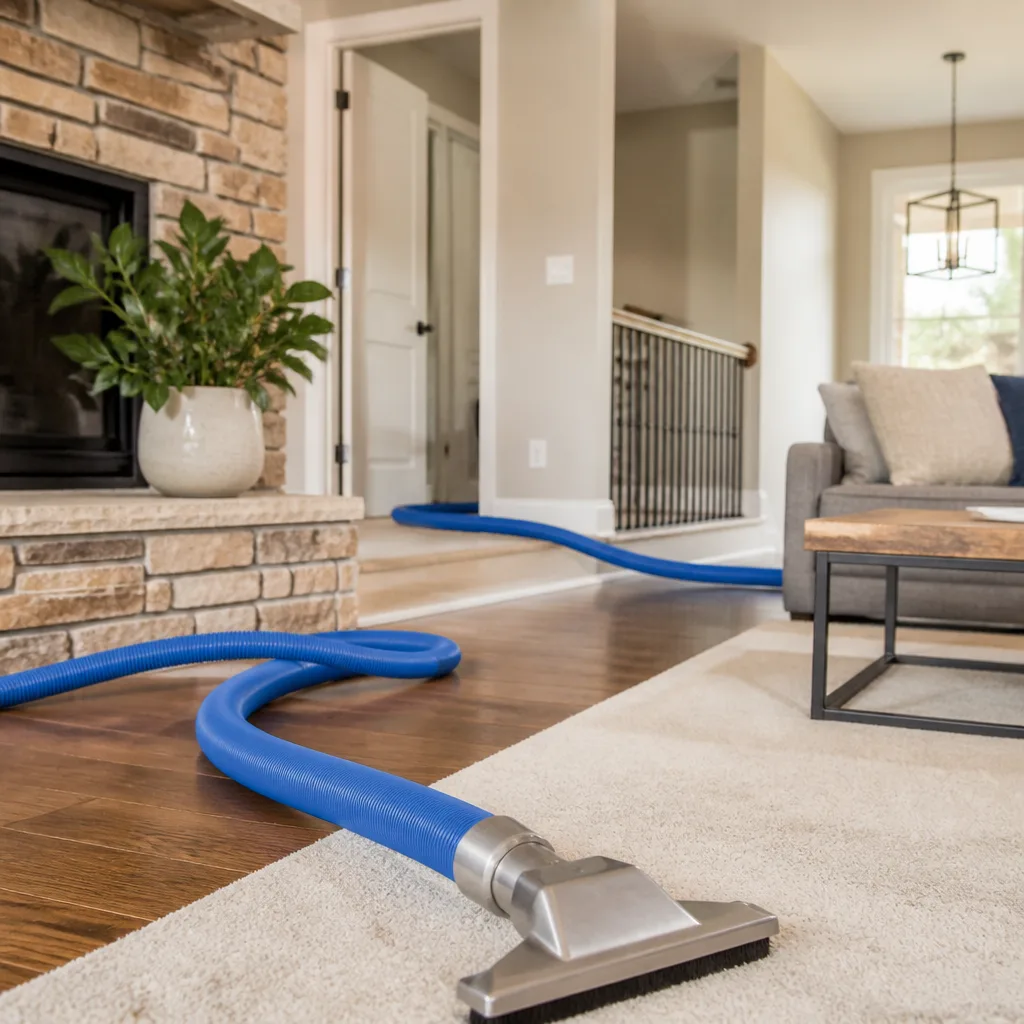 Whole-home duct cleaning
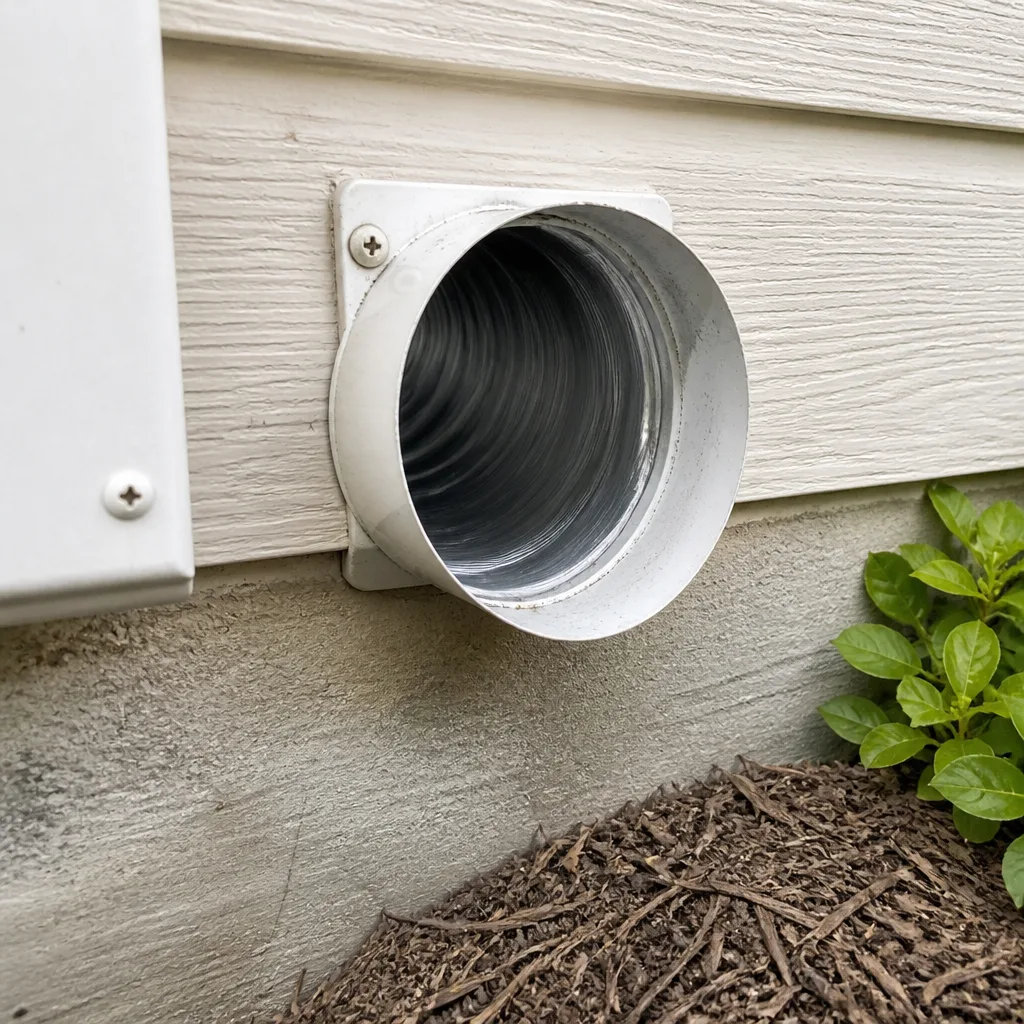 Dryer vent cleaning
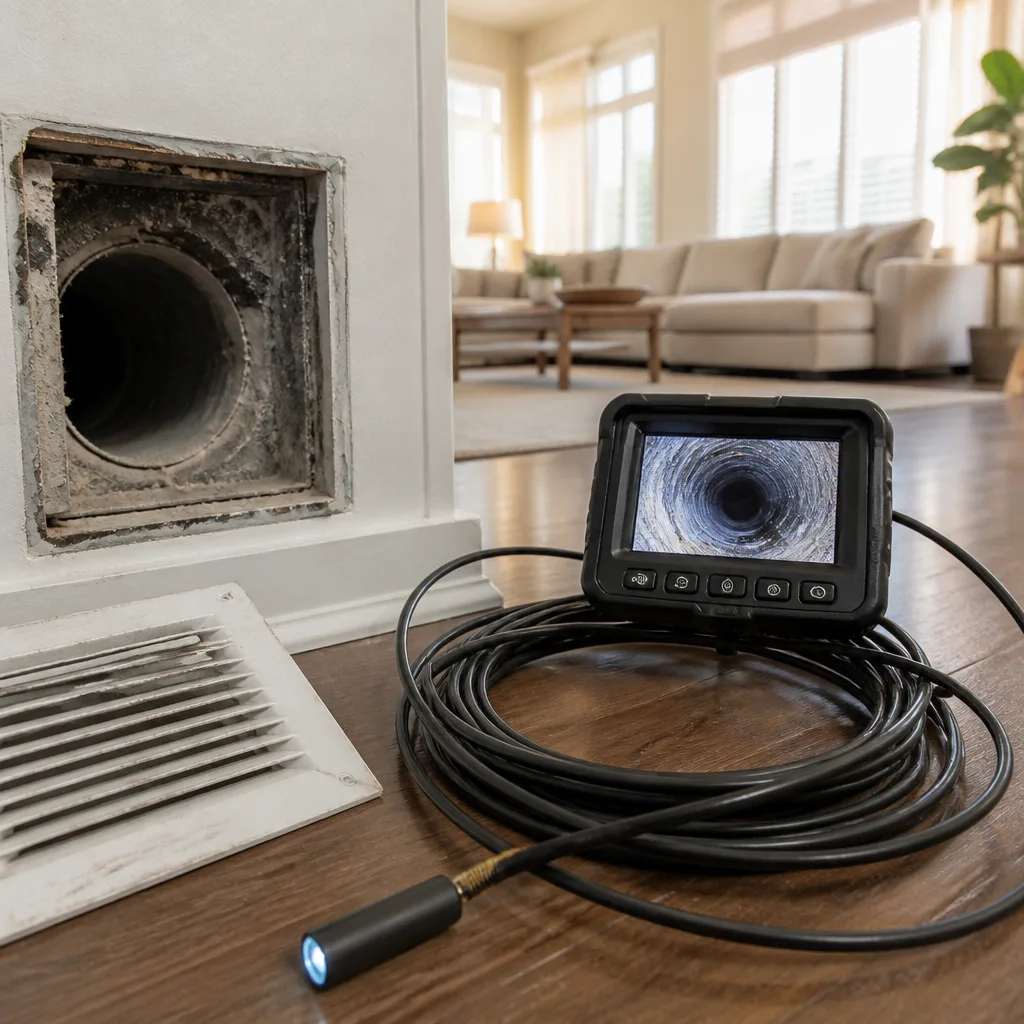 Camera inspection
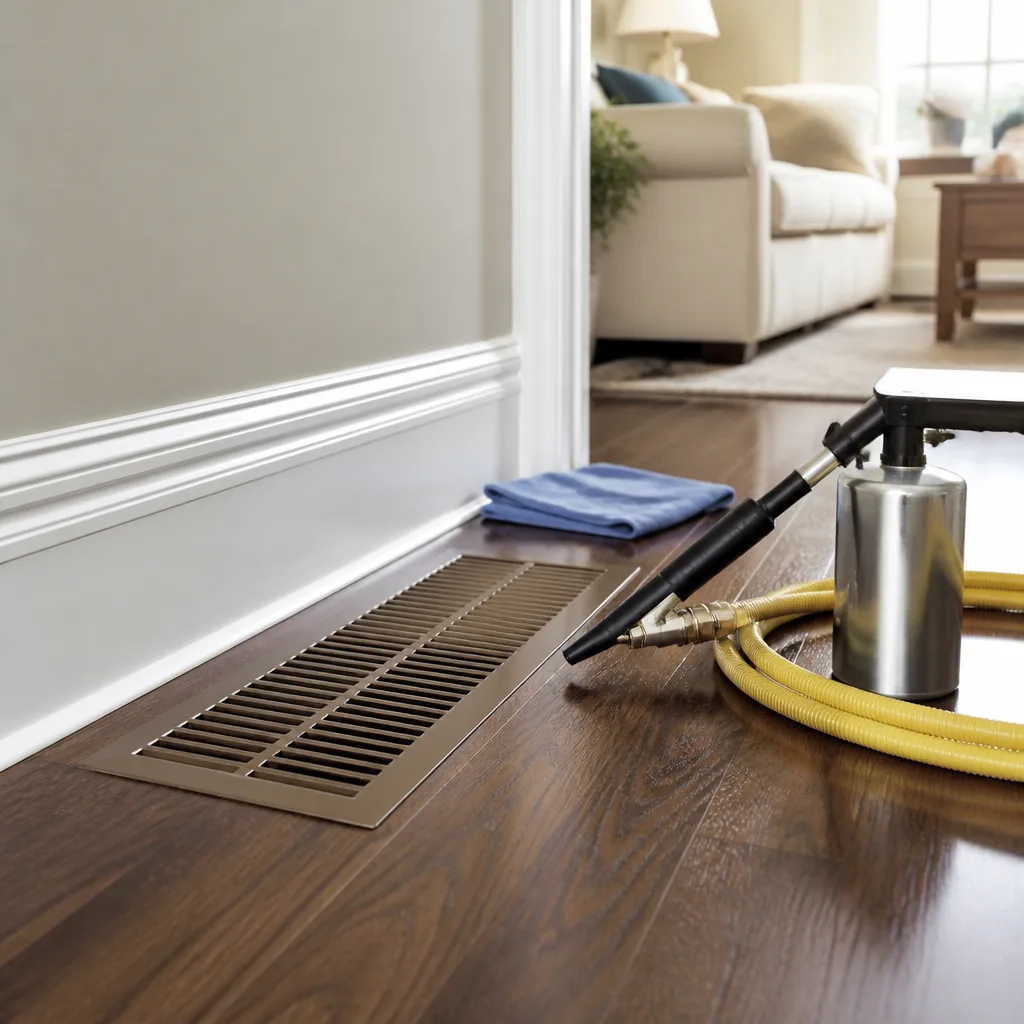 Sanitizing & deodorizing
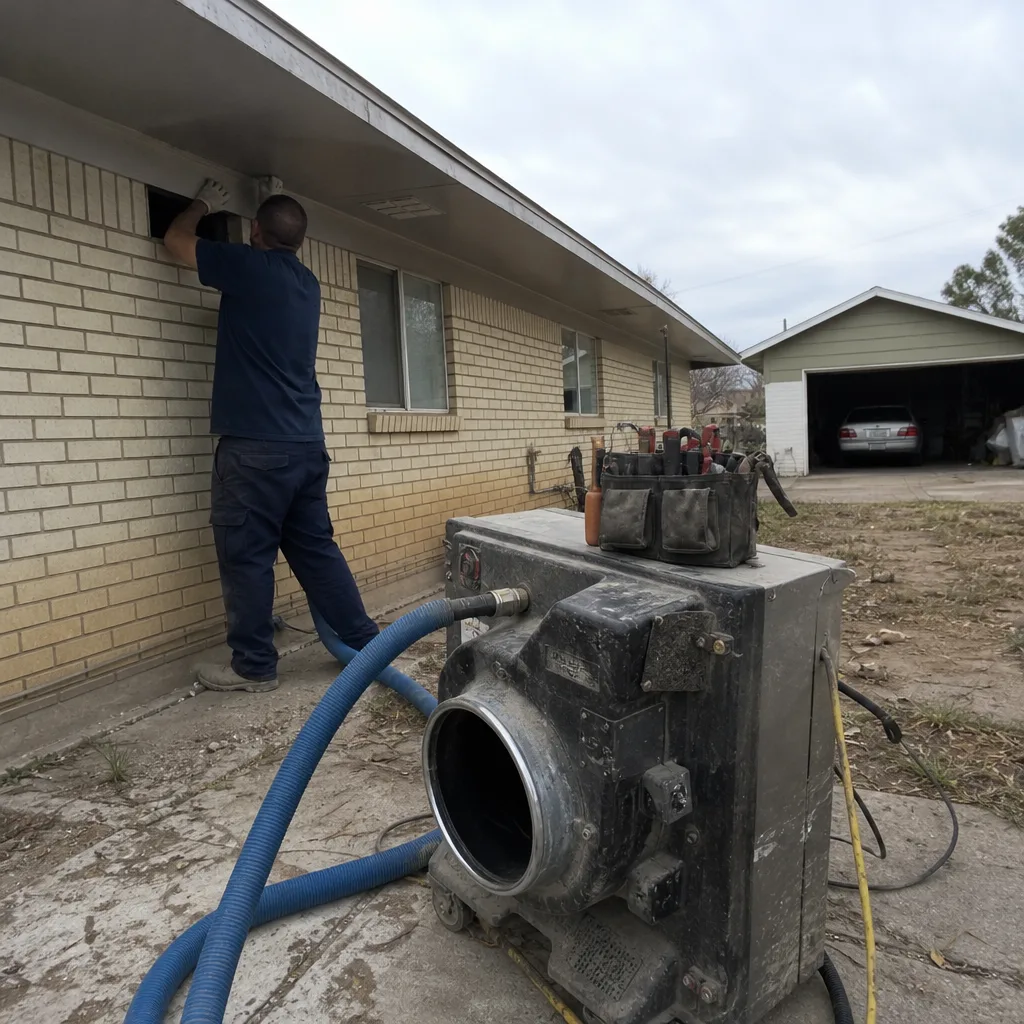
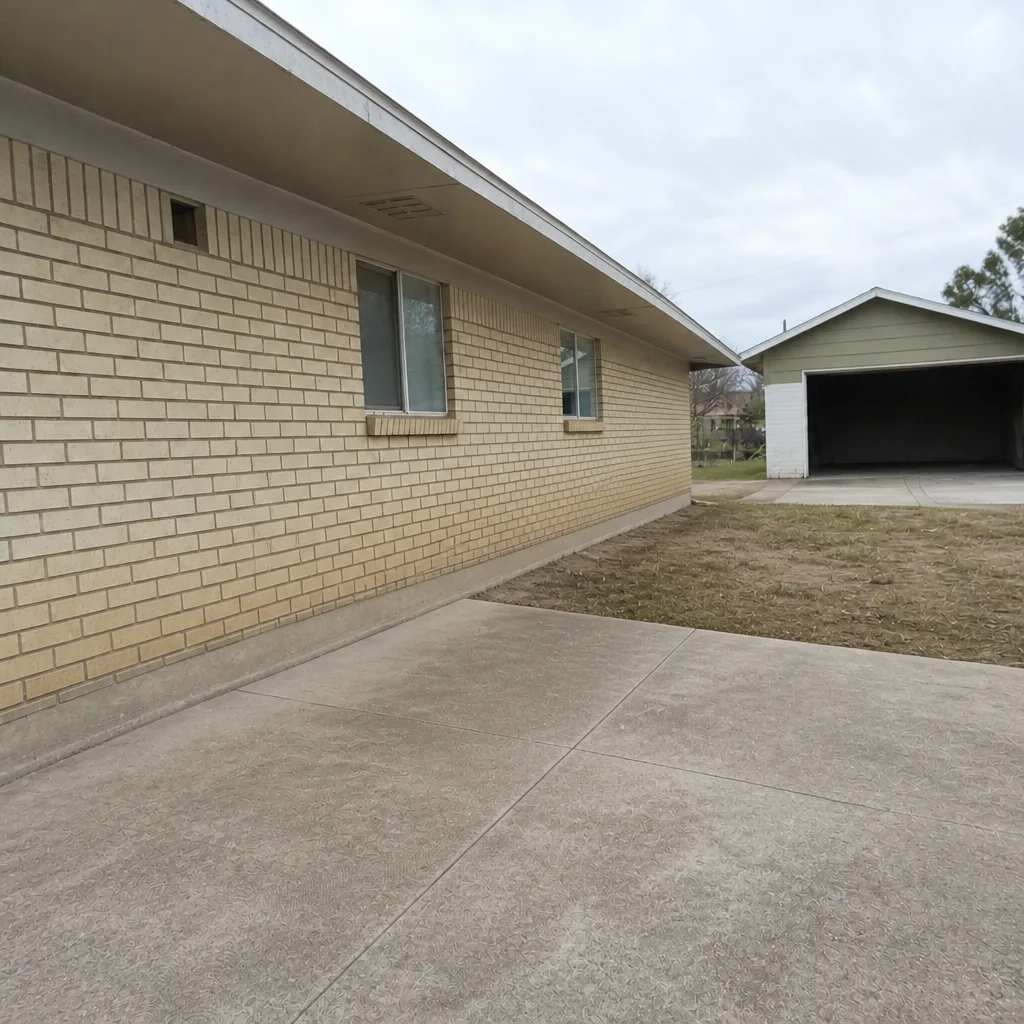
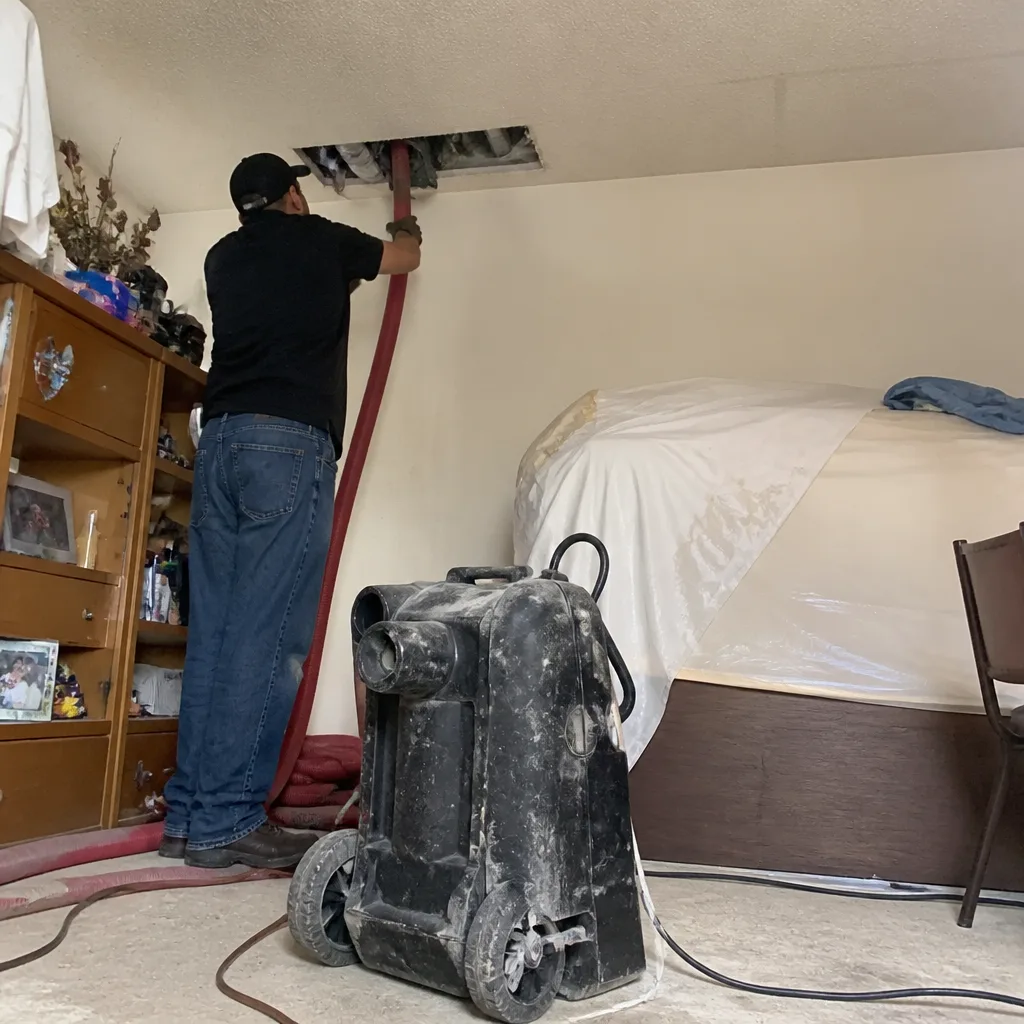
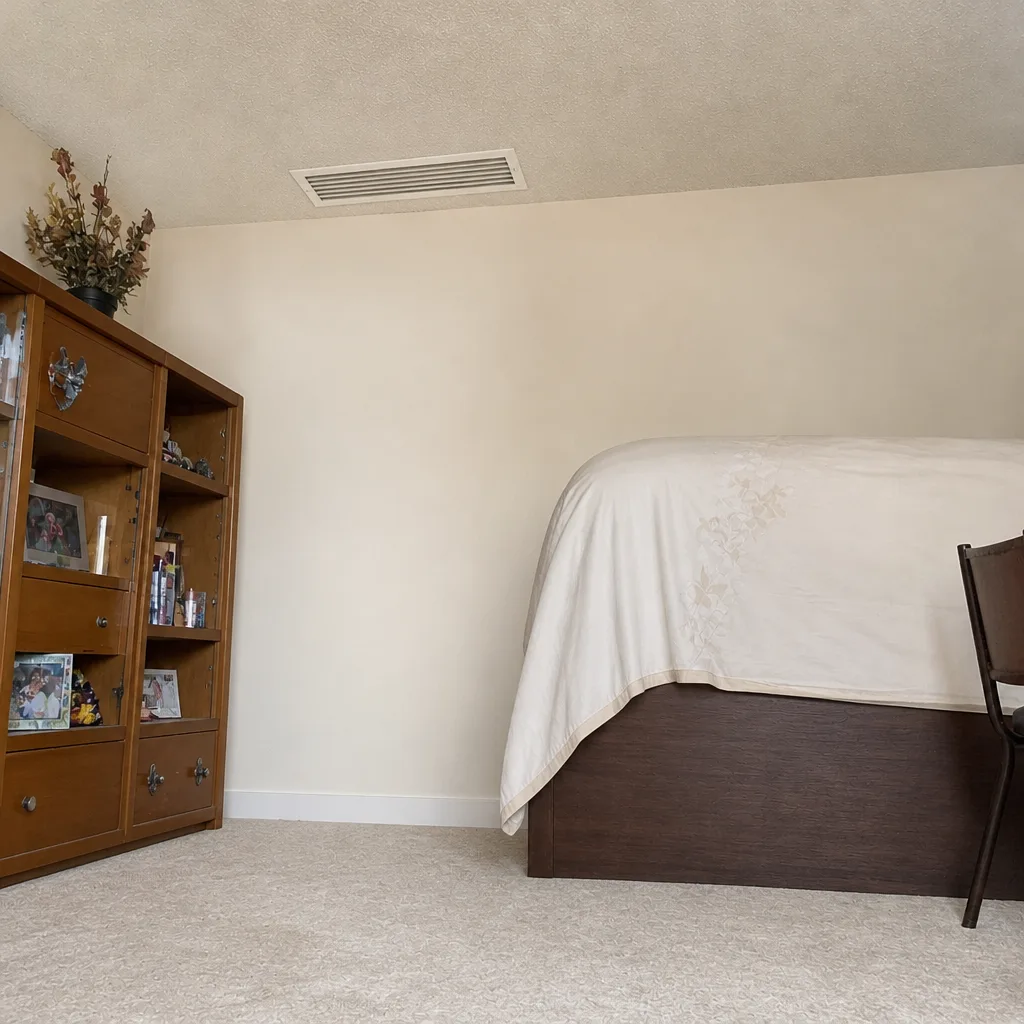
Whole-system duct and dryer vent check with before-and-after photos - you see exactly what came out of your vents
That "$99 whole-house special" is a bait ad - the real number appears once they are in your hallway, or the "clean" is a shop-vac at the register. We photograph the inside of your ducts before and after instead.
Air Duct Cleaning Maintenance Schedule: What to Do and When
Most homeowners treat duct cleaning like a five-year dental appointment: once it’s done, it’s done. That thinking was built for mild climates with sealed windows and short cooling seasons. El Paso is not that city. Between spring dust events that push fine mineral silt through every return, a cooling season that stretches from April into October, and steady construction on the city’s edges, your ductwork collects in one year what a house in a wetter, cooler climate might collect in three. The result is a system that looks fine from the register but is quietly loading up. In this guide we lay out a real maintenance calendar for El Paso homes, broken down by season, home type, and the triggers that reset the clock entirely.
Quick Answer
In El Paso, most homes need professional duct cleaning every 2 to 3 years, not the national “every 3 to 5 years” figure, because local dust storms and long cooling seasons speed up contamination. Filter changes should happen every 1 to 3 months depending on the season, and a visual register check is worth doing monthly. Any post-renovation debris resets the clock and calls for immediate cleaning regardless of when the last service happened.
Styles & brands we work with
- Whole-home duct cleaning
- Dryer vent cleaning
- Camera inspection
- Sanitizing & deodorizing
Table of Contents
- Why the National Duct Cleaning Schedule Doesn’t Fit El Paso
- The Month-by-Month El Paso Duct Maintenance Calendar
- How Home Type Changes Your Interval
- Post-Renovation: Why Debris Resets the Clock
- Building a Homeowner Duct Log
- What You Can Do Yourself vs. What Needs Pro Equipment
- Dryer Vent: The Fire-Safety Timeline
- Common Mistakes to Avoid
- When to Call a Professional
- Frequently Asked Questions
Why the National Duct Cleaning Schedule Doesn’t Fit El Paso
The “every 3 to 5 years” recommendation you see quoted everywhere was written as a general guideline for average American housing stock in average climates. El Paso is not average. The city averages around 68 dust storm days per year, which means fine airborne particulate – not just household dust, but mineral silt from open desert ground – gets pulled into return air on a schedule no national standard accounts for. A house running the 5-year schedule here is not maintaining its system; it’s letting a real load build up.
There’s a second factor most guides ignore: cooling runtime. El Paso’s cooling season runs long. When the air handler is moving conditioned air eight months out of the year, the total volume of air passing across the coil and through the ducts is dramatically higher than in a climate where the system runs three or four months. More air volume means more debris deposited on duct walls, more load on the blower, and more opportunity for the evaporator coil to foul. This is why we treat local cleaning intervals as roughly two-thirds of the national figure – every 2 to 3 years for most homes, 18 months for homes in dusty corridors or near active construction.
The third factor is housing age and construction style. Much of El Paso’s housing stock was built during periods when duct sealing standards were looser than they are now, and plenty of homes have original galvanized metal ducts with seams and joints that leak a little more than modern flex. Leaky return ducts in a dusty environment pull unconditioned, unfiltered air directly from the attic or crawlspace into the living space. That air carries exactly the particulate you’re trying to keep out. If you suspect your ducts are leaking, our Duct Cleaning El Paso team can assess the condition during a cleaning visit and talk through repair options.
The Month-by-Month El Paso Duct Maintenance Calendar
Here’s the calendar we’d hand a homeowner if we could only give them one page. It’s built around local weather triggers, not generic seasons. Print it, stick it on the fridge, and adjust for your own home.
January through March: Prep Season
- Change the filter. After a winter of heating, the filter is loaded. Swap it in early January and again in mid-March before the spring dust season arrives.
- Inspect every supply register. Look for dark streaking around the register fins – it’s a sign that debris is being pushed out rather than moved through.
- Check the return grille. Vacuum the return grille face monthly from January onward. A clogged return starves the system and increases velocity at the remaining returns, pulling more dust into the airstream.
- Photograph the coil face if you can safely access the air handler. A clean coil in March gives you a baseline to compare against in September.
April through June: Dust Season
- Change the filter every 4 to 6 weeks. April through June is when wind events push the most particulate through the system. If you’re in the path of blowing dust, check the filter even more often.
- Keep the system fan on low between cycles if you have a variable-speed unit and a high-MERV filter. Continuous low-speed filtration helps, but only if the filter is clean.
- Vacuum supply registers weekly during the worst weeks. This is a real task, not a metaphor. Fine silt collects on the register faces and then gets pulled into the airstream when the system starts.
- Schedule a visual inspection in early June if you haven’t had the ducts opened up in over two years. Dust season is when re-contamination happens fastest.
July through September: Monsoon and Peak Cooling
- Watch for musty odor at the registers after rain. That smell usually means moisture is sitting somewhere in the system – often on the evaporator coil or in a section of duct that isn’t draining properly.
- Change the filter every 1 to 2 months. Higher cooling load and higher humidity mean more particle capture per hour of runtime.
- Check for condensation on duct surfaces in unconditioned spaces. Condensation on flex duct in an attic points to insulation or vapor barrier issues.
- Book a professional cleaning if you’re on the 2-year schedule and the year crosses over in summer. Cleaning before the fall heating season means the ducts are clean when the system cycles back to heating and pushes hot air through them.
October through December: Post-Season Reset
- Change the filter once the system switches to heating mode. Heating air moves less volume but at higher temperature, and collected debris can scorch and smell.
- Vacuum all registers and the return grille after the first full month of heating.
- Log the year’s observations. Note filter change dates, any odors, any visible dust plumes at registers, and any service performed. This log becomes your reference for the next cycle.
- Schedule duct cleaning for January or February if you’re due – it’s the calmest time for the job and you go into dust season with a clean system.
How Home Type Changes Your Interval
Not every El Paso home is the same under the floor. The duct system in a slab-on-grade house with buried returns behaves nothing like a system running through an attic that hits 140°F in July. Here’s how to think about the interval for your specific home.
Slab-on-Grade with Buried Returns
Homes built on slab with returns routed under the concrete are common in El Paso’s newer subdivisions. The buried return chase is often unsealed at the joints, which means fine dust from the surrounding soil can infiltrate the return airstream any time the system is running under negative pressure. These homes re-contaminate faster than the base 2-to-3-year interval suggests. We usually recommend a 2-year cleaning cadence and a serious look at sealing the return chase – which is where our repair capability matters. If you find yourself needing air duct cleaning on a shorter cycle than makes sense, the underlying leak is likely the cause.
Attic Duct Systems
Attic systems in El Paso bake. Duct surface temperature can reach 140°F or higher in mid-summer, and thermal expansion and contraction at every joint loosens seals over time. Attic flex duct is also more exposed to vermin and to insulation fibers getting pulled into the airstream at joints. Visual inspection twice a year (at minimum, once in spring before dust season and once in fall) is worth doing for these homes. Cleaning interval: 2 to 3 years, plus a repair inspection anytime you notice air leaking at a joint.
Older Homes with Original Galvanized Metal Ducts
Galvanized metal ducts in older El Paso homes have seams and joints that were installed with less sealing than modern standards call for. The metal also pits and collects debris in ways that flexible duct doesn’t. Metal ductwork responds very well to rotary-brush cleaning – the brush physically scrubs the wall, and the pitting releases debris that a vacuum-only approach can’t reach. For these homes we recommend a 2-year interval, and we recommend sealing visible joint leaks during the cleaning visit.
Property-Management and Rental Units
Turnover cycles mean filter discipline is inconsistent, and tenants don’t typically log maintenance. A 2-year baseline with a mandatory cleaning at each turnover after a long tenancy is a practical schedule. If you manage multiple properties in El Paso, a standardized 18-to-24-month interval across the portfolio keeps you ahead of problems without over-servicing.
Post-Renovation: Why Debris Resets the Clock
This is the point most homeowners miss, and it costs them. A remodel generates a category of debris completely different from everyday household dust: drywall dust, silica particulate from cut masonry, insulation fibers, sawdust. There is no amount of “waiting for the next scheduled cleaning” that solves this. Drywall dust is fine, alkaline, and settles into every horizontal surface inside the ductwork. It also coats the evaporator coil and the blower wheel if the system runs during or immediately after the renovation.
The rule is simple: any renovation that opens walls, ceilings, or the attic resets the cleaning clock. A kitchen remodel, a bathroom gut, an addition, an attic re-insulation job, even a substantial painting project where sanding is involved – all of these warrant professional cleaning as soon as the dust has settled, regardless of when the last cleaning happened.
If you can, sequence it correctly:
- Before demo begins, cover all supply and return registers with plastic film and painter’s tape.
- During the renovation, run a HEPA air scrubber in the work zone. This is one place where equipment selection matters – Abatement Technologies units are what we deploy on jobs, and they capture particulate at the source.
- After the final post-construction clean, remove the register covers and schedule professional duct cleaning. Do not run the system for extended periods between the end of demo and the cleaning.
- Change the filter immediately after cleaning, and again two weeks later.
We’ve seen this scenario play out repeatedly in El Paso’s older neighborhoods where renovation is common and the original ducts are still in place. The cleaning restores the system, but only if it happens after the dust has stopped flying. Cleaning in the middle of a renovation is wasted money.
Building a Homeowner Duct Log
A simple log is the single most useful maintenance tool you’ll keep. It turns “I think we had it cleaned a couple of years ago?” into a real date and a real observation. Here’s what to record, and what the readings mean.
What to Log After Each Service
- Date of cleaning and the name of the provider.
- Method used. Rotary-brush plus negative-pressure is the standard we hold ourselves to; if the provider used only a shop-vac and a hose, note that – it affects your next interval.
- Condition observed. Was the coil clean? Were there damaged joints? Did they flag any leaks?
- Repairs made. Sealed joints, reconnected sections, replaced flex runs.
- Filter MERV rating and the model number. This matters because if you change filters or upgrade later, you want to remember the baseline.
- Registration readings if you or the technician took any airflow measurements at the registers.
What to Log Between Services
- Filter change dates. Every single one. A pattern will emerge quickly, and it tells you if the current MERV rating is right for your home.
- Visible dust plumes at registers when the system starts. Note the date and which register.
- Odors. Musty, dusty, or “hot” smells when heat kicks on. Note which rooms.
- Allergy symptoms if anyone in the household has seasonal or year-round sensitivities. Date and severity.
- Dust accumulation on horizontal surfaces inside the home over a 7-day period. If you’re wiping down surfaces more often than usual, that’s a signal.
Readings That Signal Early Re-Contamination
If any of the following trend lines appear in your log, you’re likely due for early cleaning or repair regardless of the calendar:
- Filter life dropping below 30 days in a home that historically ran 60 to 90 days.
- Visible dust at a single register while others stay clear (a localized leak or disconnected run).
- Dust plumes at startup that persist more than a week after a filter change.
- Increased blower noise or reduced airflow at the farthest registers.
- Any musty odor, especially after rain.
What You Can Do Yourself vs. What Needs Pro Equipment
There’s a clean dividing line here, and knowing it saves you both money and wasted effort. Some tasks genuinely help and don’t require anything you don’t already own. Others are physically impossible to do well with consumer equipment, no matter how much effort you put in.
DIY-Appropriate Tasks
- Filter replacement. The single most important task. Check the filter monthly, replace it on schedule, and use the correct MERV rating for your system.
- Register vacuuming. Remove the register cover, vacuum the face and the visible throat with a brush attachment. This is real prevention – it keeps fine silt out of the airstream.
- Return grille cleaning. Same idea, slightly more important because return grilles see heavier airflow.
- Visual inspection. Look for streaking, condensation, disconnected flex, and pest activity at every register and at the air handler.
- Logging. Keep the record current. This is the easiest task on the list and one of the most useful.
- Air sealing around registers. Small gaps between the register boot and the drywall can be sealed with caulk. Not for every homeowner, but within reach for anyone comfortable with a caulk gun.
What Requires Professional Equipment
Vacuuming a register is a surface task. Cleaning the inside of the duct run is not. The interior of a duct is a long, dark channel with pitting, joints, turns, and often 10 to 30 years of accumulated debris. A shop-vac cannot generate enough negative pressure to extract that material, and even if it could, it has no way to dislodge debris that’s bonded to the duct wall. That’s why professional cleaning uses two pieces of equipment working together: a rotary-brush system that physically scrubs the wall, and a high-powered negative-pressure vacuum that captures dislodged debris before it can escape into the room.
The systems we run are Rotobrush (rotary-brush agitation) and Nikro (negative-pressure extraction). Abatement Technologies air-filtration units run on-site to capture any particulate that escapes at the register openings, protecting indoor air quality during the job. This is the combination that separates real cleaning from “stirring it up and calling it done.” If a provider shows up with a shop-vac and a hose, they’re performing surface maintenance, not cleaning the system.
Air duct repair is a separate category entirely. If you find a disconnected flex run, a crushed duct, or a leaking return chase, cleaning alone won’t fix the re-contamination – the leak will keep pulling unfiltered air into the system until it’s sealed. Our air duct cleaning visits include a report on any repair conditions we find, and repair is a service we offer as a standalone job.
Dryer Vent: The Fire-Safety Timeline
Dryer vent cleaning belongs on a different clock than duct cleaning because the risk profile is different. Lint-impacted dryer vents are a leading cause of residential fires. That’s not a marketing line – it’s how fire-safety authorities classify the hazard. The vent run is where lint accumulates, and it accumulates faster than most homeowners expect, especially on longer vent runs and on runs with elbows.
Recommended Dryer Vent Schedule
- Every 12 months for a typical household of 3 to 4 people, on a straight, short vent run.
- Every 6 to 9 months for larger households, long vent runs (anything over 15 feet), or vent runs with multiple elbows.
- Immediately if you notice drying times lengthening, if the dryer exterior is hot to the touch, or if you smell a scorched smell during a cycle.
- Immediately after moving into a new (to you) home – you have no idea what the previous occupant’s habits were.
Clean the full vent run, not just the section behind the dryer. The lint that causes fires collects at the elbow transitions and at the exterior termination, which are exactly the sections a surface cleaning misses. Our dryer vent cleaning addresses the entire run for that reason.
Common Mistakes to Avoid
- Treating the national 3-to-5-year figure as gospel in El Paso. Dust events and long cooling seasons compress the timeline. If you’re running a five-year schedule here, the system has likely been overdue for well over a year before you notice.
- Cleaning in the middle of a renovation. Wait until the dust has fully settled. Cleaning while demo is still ongoing is a partial job that will need to be redone.
- Relying on a shop-vac and calling it cleaning. Consumer vacuums cannot dislodge bonded debris from a duct wall or pull enough negative pressure to extract it. If the service uses consumer equipment, you’re paying for a surface wipe.
- Skipping repair because “cleaning is what I called for.” A disconnected run or a leaking return chase will re-contaminate your system within months of cleaning. Repair what you find, or the cleaning cycle is wasted.
- Ignoring the dryer vent. Dryer vent maintenance is a fire-safety job, not a cosmetic one. Delaying it to “next season” isn’t a scheduling inconvenience, it’s a genuine risk.
- Upgrading to a high-MERV filter without checking system capability. A restrictive filter on an older system can starve airflow and damage the blower. If you want to upgrade filtration, the technician should verify the system can handle it. This is why we work with Honeywell and Aprilaire products – the assessment matters as much as the product.
- Not checking the filter often enough during dust season. A filter that’s fine for 90 days in winter may be loaded in three weeks in April. Monthly checks during spring are worth the effort.
When to Call a Professional
You should call a professional when the maintenance tasks above stop being effective – meaning the filter is loading faster than the recommended change interval, dust plumes persist at registers after filter changes, musty odors appear after rain, or you’re finding the same problem in your log two cycles in a row. You should also call if you’re not sure of the system’s last cleaning date, if you’ve just moved into a home whose history is unknown, or if any renovation has opened walls since the last cleaning. And you should definitely call if you notice a disconnected duct, a crushed flex run, or a return chase that’s leaking from a buried or attic location.
Duct Cleaning El Paso offers free estimates in El Paso – call (866) 942-6158. We answer 24/7. Fast dispatch from 7am to 7pm, Sunday through Friday. Our technicians have up to 10 years of experience, and we clean with professional rotary-brush and negative-pressure equipment, not consumer gear.
Frequently Asked Questions
Every 2 to 3 years for most El Paso homes, and every 18 months to 2 years for homes in dusty corridors, near active construction, or with buried return ducts. The national 3-to-5-year guideline assumes a climate El Paso doesn’t have. Call (866) 942-6158 for an exact quote based on your home’s specifics – estimates are free.
We price per system, not per vent, and the written estimate sets the final number. The critical thing to know is that any quote given before the technician has looked at your system is a guess. We don’t give teaser coupon prices. Call (866) 942-6158 and we’ll schedule an estimate so you get a real number for your actual duct system.
Usually because the service isn’t the same. Per-vent pricing incentivizes selling add-ons at the door, and consumer-grade vacuums can’t do the real work. A rotary-brush plus negative-pressure cleaning with Abatement Technologies filtration on-site is a fundamentally different job from a shop-vac pass, and the price reflects that. The written estimate should match the scope, item by item. Call (866) 942-6158 for an exact quote – estimates are free.
Ask for before-and-after photos of your own ducts, taken inside the run, at the start and end of the cleaning. Any provider using professional equipment can provide this. If they can’t, they weren’t in the duct. We photograph the condition we find and the condition we leave behind on every job. Call (866) 942-6158 to schedule an estimate.
Every 12 months for a typical household, more often (6 to 9 months) for long vent runs or large households. Longer if you have a short, straight run and check it yourself. Dryer vents are a fire-safety item, not a cosmetic one – lint at the elbow transitions and exterior termination is where the real risk lives. Call (866) 942-6158 to book a full-run dryer vent cleaning – estimates are free.
Yes. Drywall dust, insulation fibers, and silica particulate from masonry are a completely different category from household dust, and they reset the maintenance clock entirely. Wait until the final post-construction clean is done, then have the ducts cleaned regardless of when the previous service happened. Call (866) 942-6158 to schedule – estimates are free.
The Bottom Line
The schedule that fits your El Paso home is built around local triggers, not a generic national number. Expect 2 to 3 years between professional cleanings, with filter changes every 1 to 3 months depending on season, monthly register checks during dust season, and an immediate cleaning after any renovation. Know your home type – slab with buried returns, attic duct systems, original metal – because each one shifts the interval. Keep a log so the calendar is grounded in observations rather than memory. Do the register vacuuming and filter swaps yourself; call a professional for the actual duct interior work, because it requires equipment no homeowner has. For the jobs that need real extraction, we’re here. Duct Cleaning El Paso offers free estimates – call (866) 942-6158. We answer 24/7. Fast dispatch from 7am to 7pm, Sunday through Friday.
Written by the team at Duct Cleaning El Paso.
See the difference
 Before
 After
 Before
 After
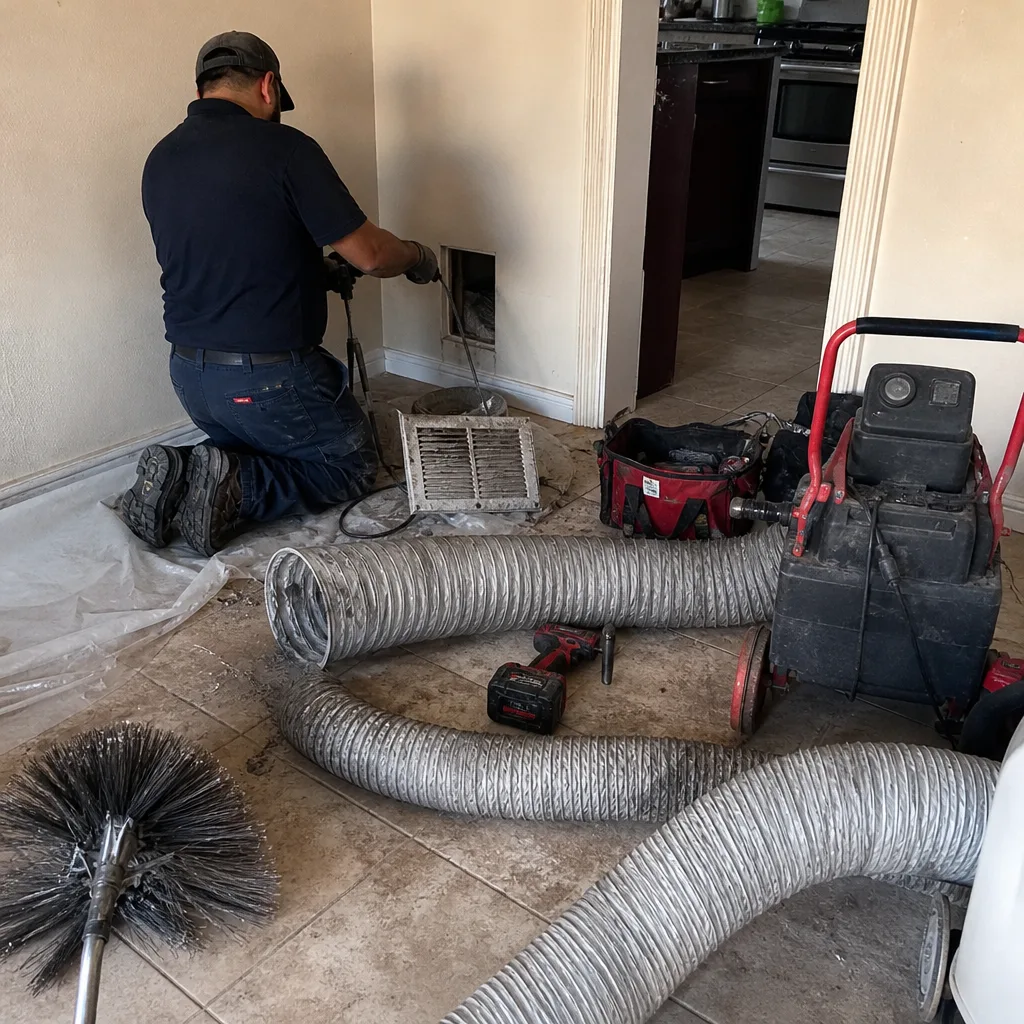 Before
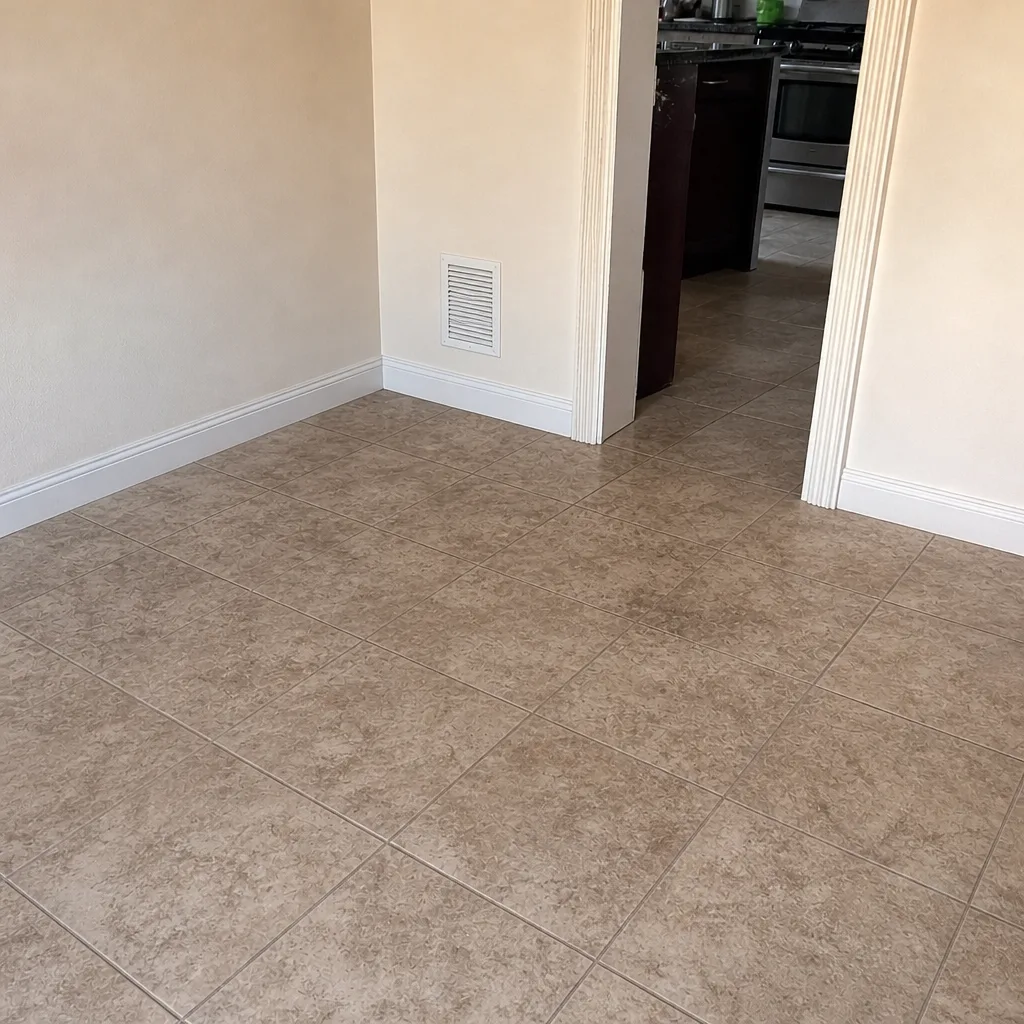 After