
Last updated November 15, 2026
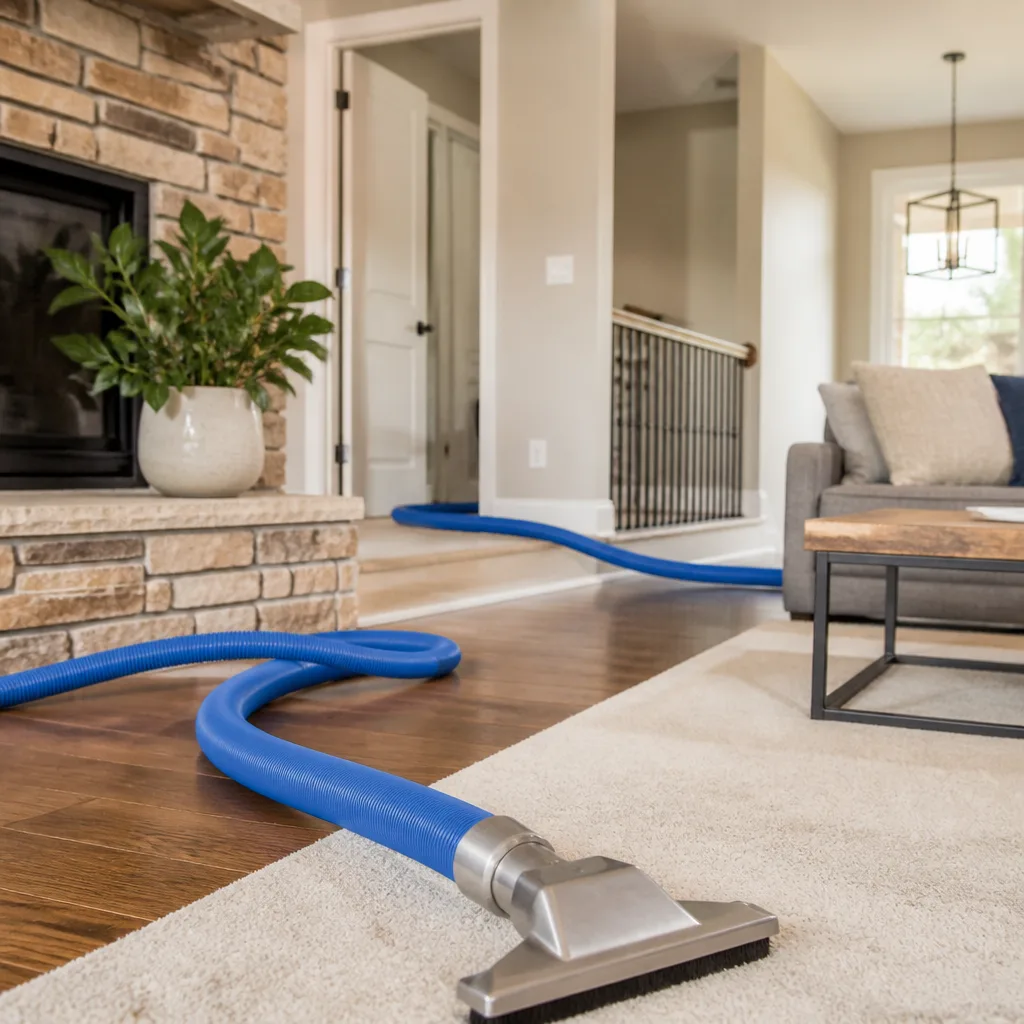 Whole-home duct cleaning
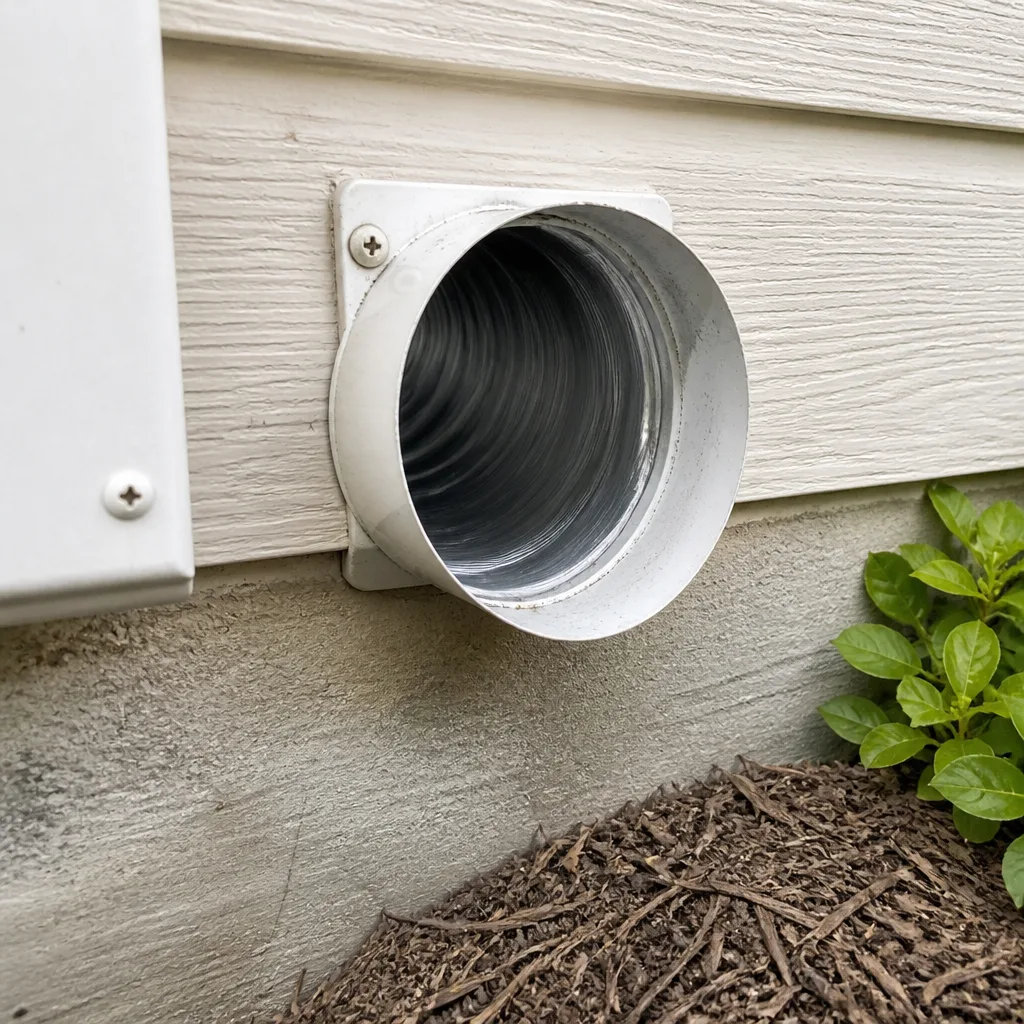 Dryer vent cleaning
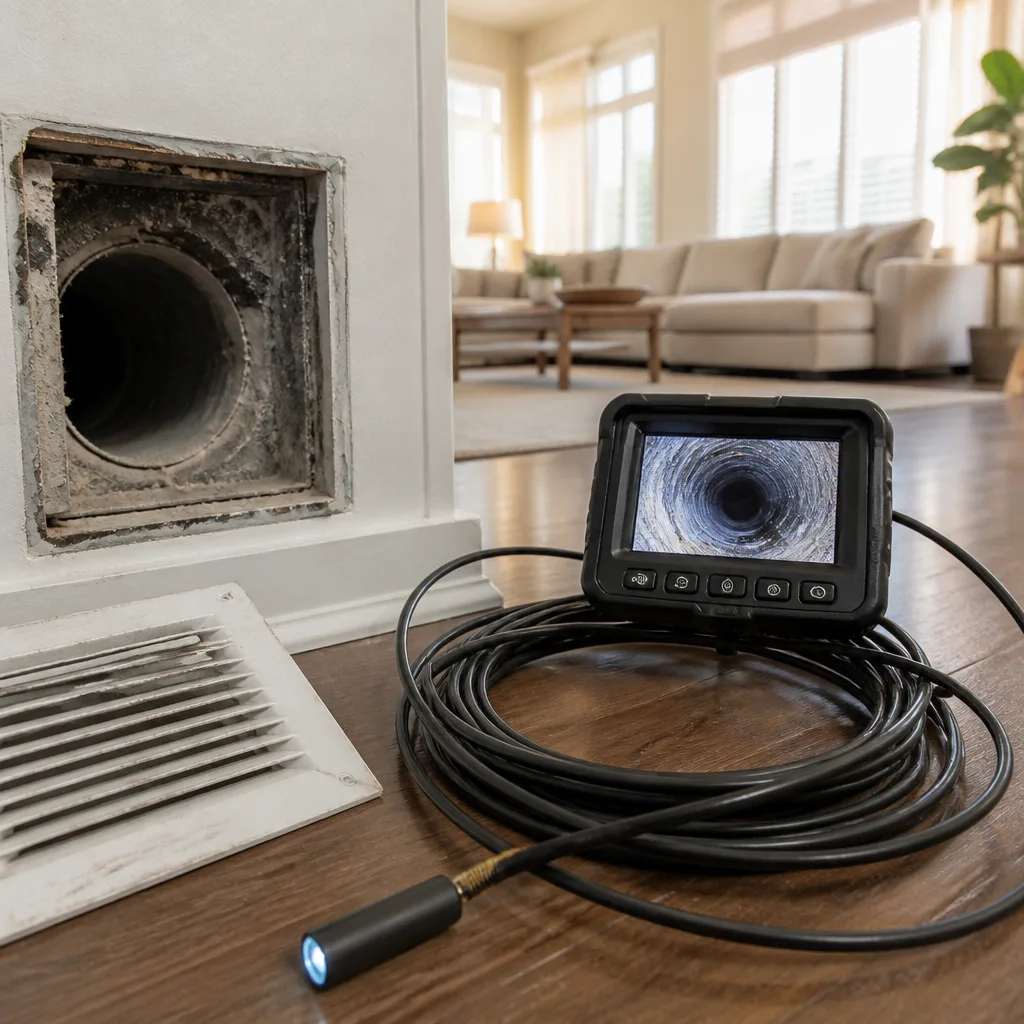 Camera inspection
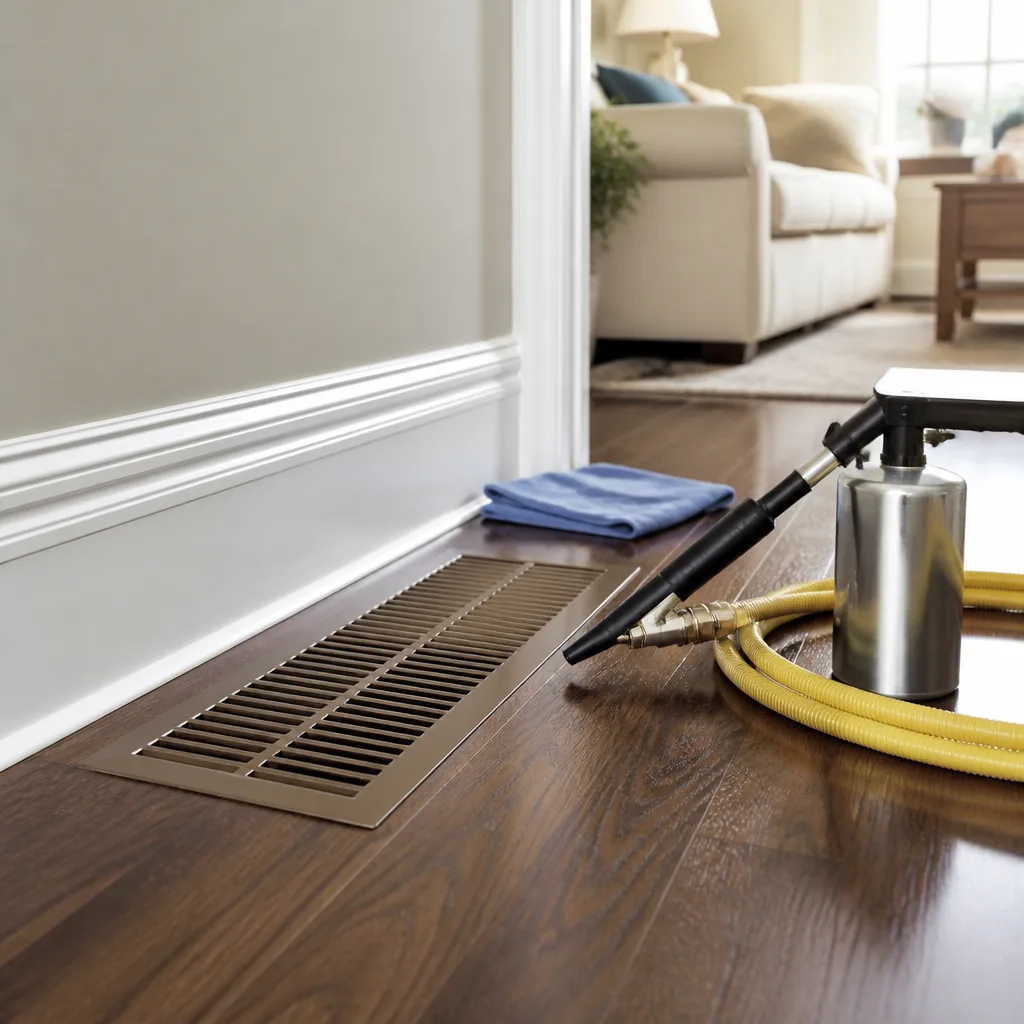 Sanitizing & deodorizing
Whole-system duct and dryer vent check with before-and-after photos - you see exactly what came out of your vents
That "$99 whole-house special" is a bait ad - the real number appears once they are in your hallway, or the "clean" is a shop-vac at the register. We photograph the inside of your ducts before and after instead.
Air Duct Cleaning Cost Breakdown: The El Paso Homeowner’s Reference for 2026
A $99 whole-home duct cleaning quote is priced for a two-story colonial with short, accessible trunk-and-branch ductwork. That house doesn’t exist in most El Paso neighborhoods. What dominates here are 1,400 to 2,200 square foot single-story ranch homes on slab foundations, with air handlers tucked into the attic and long horizontal flex duct runs crossing the ceiling plane. That layout changes the labor hours, the equipment setup, and the number a fair quote lands on. This guide breaks down what actually drives cost in this market, what’s a legitimate add-on, and how to read two quotes side by side without getting fooled.
Quick Answer
Air duct cleaning in El Paso typically runs $350 to $700 for a typical single-story home, with whole-system work on larger or heavily soiled systems reaching $900 or more. The price is driven by vent count, linear feet of main trunk, access difficulty, and whether the system has ever been cleaned. Per-vent pricing and flat-rate pricing hide different things, so the number that matters is the written scope of work before anyone touches your system.
Styles & brands we work with
- Whole-home duct cleaning
- Dryer vent cleaning
- Camera inspection
- Sanitizing & deodorizing
Table of Contents
- What actually drives air duct cleaning cost in El Paso?
- How El Paso’s housing stock changes the labor equation
- Line-item cost breakdown: where your money goes
- Legitimate add-ons versus upsells that don’t deliver
- Why post-construction cleaning is priced differently
- How to compare quotes accurately
- How often the job actually needs doing here
- How to know the work was actually done
What actually drives air duct cleaning cost in El Paso?
Four factors set the price, and none of them is the square footage of your house. Vent count, linear feet of main trunk line, access point difficulty, and the condition of the system (never cleaned versus maintained on a cycle) determine how many labor hours and how much equipment setup a job requires. A 1,800 square foot home with twelve vents and an open attic reach is a different job from a 1,800 square foot home with eighteen vents, a buried trunk line, and an attic air handler that requires a ladder and a crawl through insulation to reach.
Here’s what each factor does to the number:
- Vent count. Every supply and return register is a separate extraction point. More registers mean more setup, more brush passes, and more time on the truck-side vacuum.
- Linear feet of main trunk. Long horizontal trunk runs, common in slab-foundation ranch homes, require more access cuts or existing access panels to reach the full length. A trunk run that travels forty feet across the ceiling is not cleaned in the same time as a fifteen-foot run.
- Access difficulty. An air handler in the attic is standard here. Getting negative-pressure equipment connected to it, and getting a technician safely to every branch, adds time. Homes with attic access panels already in place move faster than homes without.
- System condition. A system cleaned on a regular cycle is a lighter job than one that has never been touched since the house was built. Twenty years of settled dust and debris in the trunk line changes the extraction dwell time required.
That’s why a budget quote priced for a “standard home” often isn’t. It’s priced for a home with fewer vents and easier access than what’s actually sitting above your ceiling.
How El Paso’s housing stock changes the labor equation
Most of El Paso’s residential neighborhoods are built on slab foundations with single-story ranch layouts and air handlers in the attic. That’s a very different configuration from the two-story homes with basements and short duct runs that national pricing guides are built around. The difference shows up directly in labor hours and equipment setup, and it’s the single biggest reason local quotes vary so widely.
Here’s how the local housing pattern affects the job:
- Attic air handlers. Because the air handler sits in the attic rather than a basement or utility closet, the connection point for negative-pressure equipment is up a ladder and inside an unconditioned space. That setup time is real, and it’s part of what a fair quote covers.
- Long horizontal flex runs. Single-story ranch layouts push ductwork horizontally across the ceiling plane rather than vertically through a stack. Flex duct in long horizontal runs collects more settled debris at low points and transitions. Cleaning it properly means physically working the full run, not just vacuuming from the register.
- Slab construction, no basement access. There’s no basement to drop into. Every access point has to come from the attic or through the ceiling. That’s more careful work and slower work.
- Ductwork in the unconditioned attic. Ducts running through a hot attic space take on more ambient heat and, over time, more airborne particulate from that environment. That changes what a thorough cleaning looks like compared to a home with ducts inside a conditioned envelope.
If you’re comparing a quote built for a two-story home with a quote built for what’s actually in your attic, you’re comparing two different jobs. Ask any contractor how they account for an attic air handler and long horizontal flex runs before you compare the bottom-line number. That question alone will separate the specialists from the generalists.
Line-item cost breakdown: where your money goes
Below is a typical El Paso cost breakdown for a whole-system cleaning on a single-story home. These are estimates, not quotes. The written estimate you receive sets the final price, and it should itemize the work by these categories rather than handing you one lump figure.
| Line item | Typical range | What it covers |
|---|---|---|
| Whole-system cleaning (supply and return) | $350 – $700 | Rotary-brush cleaning of all duct runs, registers, and main trunk with negative-pressure extraction connected to the air handler |
| Air handler and blower compartment | $100 – $200 | Cleaning the interior of the air handler cabinet and blower area where debris accumulates before reaching the ducts |
| Dryer vent cleaning | $99 – $175 | Full vent run from dryer connection to exterior termination, including lint removal and blockage clearing |
| Sanitizing or fogging | $75 – $150 | Optional antimicrobial application after cleaning – only worth it when there’s a documented odor or microbial issue |
| Air duct repair (sealing, reconnecting, restoring) | $150 – $600+ | Sealing disconnected or damaged duct sections, reconnecting runs, repairing tears in flex duct – priced per defect found |
| Post-construction cleaning | $600 – $1,200+ | Higher dwell time extraction of drywall dust and construction debris; priced separately because the extraction time is longer |
Two things to note. First, duct repair is priced per defect found, not as a flat add-on, because nobody knows how many disconnected or torn sections exist until the system is opened and inspected. Groups like Guardsman and Abatement Technologies equipment help with the cleaning and filtration side, but they can’t tell you what the ducts look like inside. A contractor who repairs what they find, rather than washing their hands of it, saves you a second visit from a different trade.
Second, the dryer vent is not a minor line item. It’s a fire-safety service. Lint-impacted vents are a leading cause of residential fires, and a vent that’s taking two cycles to dry a load has a restricted run somewhere. We address the full vent run as a fire-prevention measure, not a cosmetic add-on.
Legitimate add-ons versus upsells that don’t deliver
Some add-ons genuinely improve your air quality. Others are sold because they pad the invoice. The dividing line is whether the add-on produces a measurable, verifiable improvement or a temporary smell that fades in a week.
Legitimate add-ons:
- Dryer vent cleaning. Real fire-safety value. If your dryer’s lint screen fills fast and clothes take an extra cycle, the vent run has a restriction. Cleaning the full run from the dryer connection to the exterior termination removes it.
- Air duct repair. Disconnected or torn duct sections leak conditioned air into the attic and pull attic dust into the system. Sealing them is measurable: you’ll see lower energy use and cleaner registers after.
- Filtration upgrades. We work with Honeywell and Aprilaire filtration products. A properly sized media filter or whole-home filtration system upgrades air quality beyond what a cleaning visit alone can do. The key word is “properly sized” – a filter that’s too restrictive strains the blower.
Add-ons that usually don’t deliver:
- Sanitizing when there’s no documented problem. If the ducts are cleaned thoroughly, there’s rarely an odor left to kill. Fogging is for real microbial or odor issues, not routine visits.
- “Coating” or “sealing” interior duct surfaces. Rarely necessary and hard to verify. If ductwork is damaged, repair it; if it’s dirty, clean it.
- UV lights sold as an air-quality cure-all. UV is useful for coil microbial control; it’s not a substitute for cleaning or filtration. Don’t let it get slipped into a cleaning invoice.
The question to ask before agreeing to any add-on is simple: “What measurable change will this produce, and how will I confirm it?” If the answer is vague, skip it.
Why post-construction cleaning is priced differently
New construction and major remodel duct cleaning costs more than routine cleaning, and it should. Drywall dust is a different material with a different extraction challenge. It’s fine, it’s abrasive, and it packs into duct walls and transitions in a way that ordinary settled household dust doesn’t. When it travels through the system on first startup, it coats the air handler, the coil, and every register in the house.
The reason the price is higher is extraction dwell time. Rotary-brush cleaning that works for routine household dust needs more passes and more time on a post-construction job. The negative-pressure equipment has to run longer to pull the fine particulate out of a trunk line that’s holding construction debris. And the system often needs a second pass because the first pass loosens material that had bonded to the duct wall.
If you’re moving into a newly built home in El Paso, or you’ve just finished a significant remodel, the cleaning should be priced as post-construction work. A quote that doesn’t acknowledge the difference is either not planning to clean thoroughly or not knowing what it’s walking into. Ask directly: “How are you pricing the drywall dust extraction, and how many passes does the quote include?”
Construction debris also does real damage over time, because abrasive drywall dust wears on blower components and coils. That’s the argument for cleaning before you occupy the home, not six months later.
How to compare quotes accurately
Two quotes for “duct cleaning” can describe entirely different scopes. Per-vent pricing and flat-rate pricing conceal different things, and neither tells you anything without the underlying scope of work. Here’s how to line them up side by side so you’re comparing the same job.
- Ask for a written scope of work, not just a price. The quote should list every vent, every return, the main trunk, the air handler, and any access points.
- Ask whether the price covers the main trunk line or just the branches. Per-vent pricing often excludes the main trunk. That’s where most of the debris lives in a long horizontal run.
- Ask about the air handler. Cleaning the air handler cabinet is a separate step. If it’s not in the quote, the job is partial.
- Ask what equipment is used. Rotary-brush cleaning that dislodges debris is different from vacuum-only cleaning that disturbs it. Ask whether negative-pressure equipment runs during the job to prevent cross-contamination.
- Ask how they verify the work. Before-and-after photos of your own ducts should be standard. If they aren’t offered, ask for them in writing.
- Ask whether the price is final once work begins. A flat price per system, agreed before the technician starts, protects you from the coupon-then-invoice pattern that’s given this industry its reputation.
When a quote is dramatically lower than everyone else’s, the question isn’t “how did they get so cheap?” It’s “what did they leave out?” The answer is usually the air handler, the main trunk, or the verification step. That’s why a whole-system flat price with a written scope beats a per-vent figure every time you compare across contractors.
How often the job actually needs doing here
Every three to five years is the general rule for most El Paso homes. But “general” is carrying a lot of weight in that sentence. The right interval depends on what’s happening in your specific home, and several local factors push the number up or down.
Factors that push toward cleaning more often:
- New construction or recent remodel. Post-construction cleaning should happen before occupancy or very soon after. After that, restart the clock.
- Pets. Homes with multiple pets collect hair and dander in return ducts faster than homes without.
- Allergy or respiratory symptoms in the household. If dust, musty odors, or allergy symptoms have gotten worse, the interval is worth shortening regardless of the calendar.
- Visible dust at the registers. Black dust streaking around registers or dust settling on surfaces immediately after cleaning means debris is being pushed back into the room.
- Recent duct repair or HVAC replacement. When ductwork is opened for repair or a system swap, cleaning afterward is worth doing.
Factors that push toward going longer:
- Filtration upgrades already in place. A properly sized Aprilaire or Honeywell media filter does real work keeping duct interiors cleaner. Homes with good filtration can stretch the interval.
- A system cleaned on a cycle. Maintained systems stay cleaner, so the interval between cleanings can lengthen over time.
- No pets, no recent construction, no symptoms. A quiet household with good filtration can often go the full five years.
If you can’t remember the last time it was done, that’s your answer. Call (866) 942-6158 for a free estimate and we’ll tell you what the system actually needs.
How to know the work was actually done
Before-and-after photos of your own ducts are the standard for verification. Not stock photos, not a brochure shot – pictures of what’s above your ceiling before cleaning and after. Ask for them before the job starts so there’s no question at the end. A contractor who does thorough work has nothing to hide and usually offers the photos without being asked.
Other ways to confirm the job was done properly:
- Watch the extraction equipment. Negative-pressure equipment should run during the job. If debris is being loosened but the extraction isn’t running, it’s being redistributed into your home instead of removed.
- Check the access points afterward. Panels cut to access the trunk should be resealed. If they’re left open, the job isn’t finished.
- Look at your registers after. Registers should be visibly cleaner and free of the streaking that comes from debris being pushed back through.
- Notice the air. A properly cleaned system moves air with less resistance. If the airflow feels the same or stronger after, that’s a good sign.
- Ask what was found. The technician should be able to describe what was in the system and what was done about it, including any duct defects that need repair.
The point is not that you should need to verify every step. It’s that a contractor confident in the work makes verification easy. If you can’t get a straight answer about what’s above your ceiling, that’s the answer.
Common Mistakes to Avoid
- Choosing a quote built for a different house. A price for a two-story home with short duct runs doesn’t match a single-story slab ranch with an attic air handler. Ask how the quote accounts for your actual layout.
- Comparing per-vent prices without comparing scope. A low per-vent figure often excludes the main trunk and the air handler. You’re comparing a partial job to a full one.
- Assuming a low coupon is the starting price. When the final invoice runs multiples of the coupon, the coupon was bait. A flat price per system, agreed in writing before work starts, is the protection.
- Skipping the air handler. The air handler cabinet holds debris that never makes it into the ducts. A cleaning that skips it leaves a reservoir of dust behind.
- Treating the dryer vent as a checkbox. A restricted dryer vent isn’t a minor maintenance note – it’s a fire risk. Have the full run cleaned, from the dryer connection to the exterior termination.
- Agreeing to add-ons without a measurable outcome. Sanitizing, coating, or UV upsells should be tied to a specific, observable problem. If nobody can name the problem, the add-on isn’t solving one.
- Letting a cleaning-only company leave duct defects for someone else. Disconnected or torn duct runs found during cleaning should be repaired on the same job. A company that offers air duct cleaning without repair capability leaves the loose ends.
See the difference
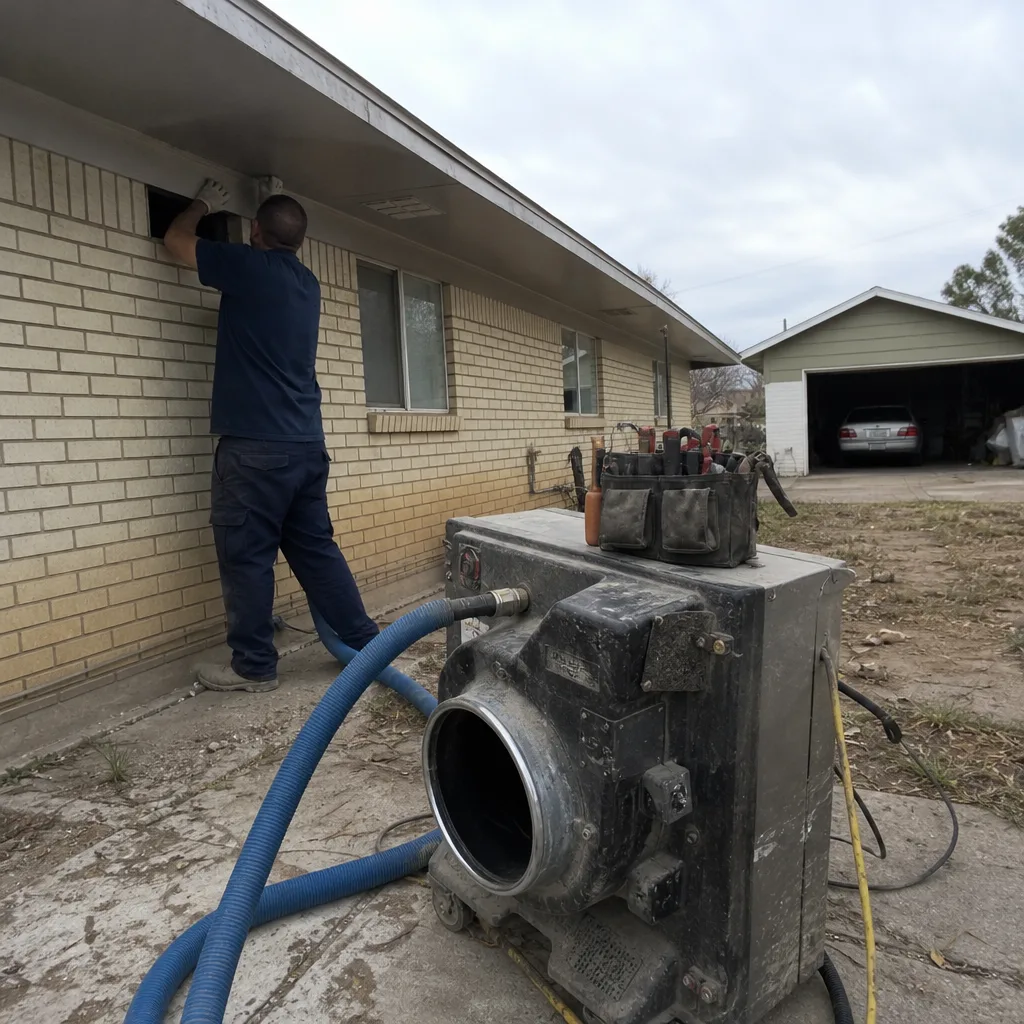 Before
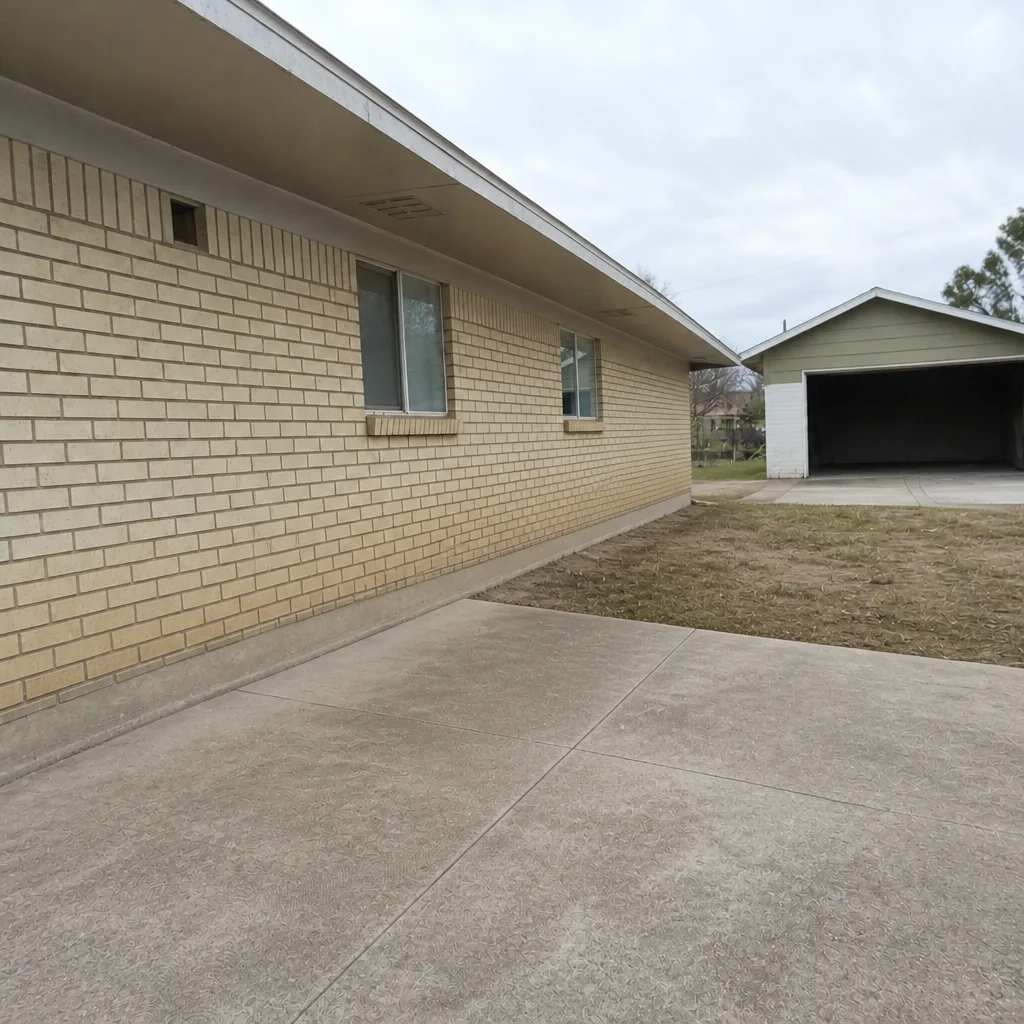 After
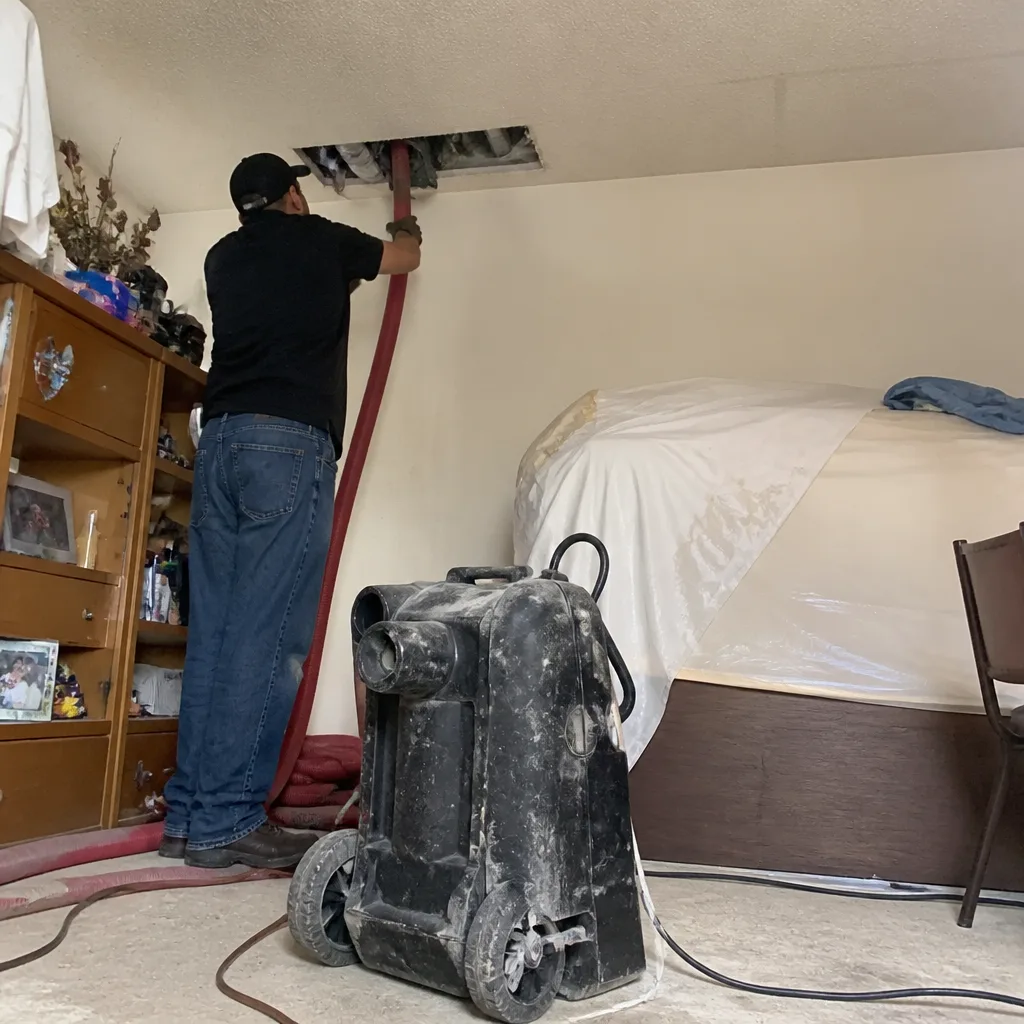 Before
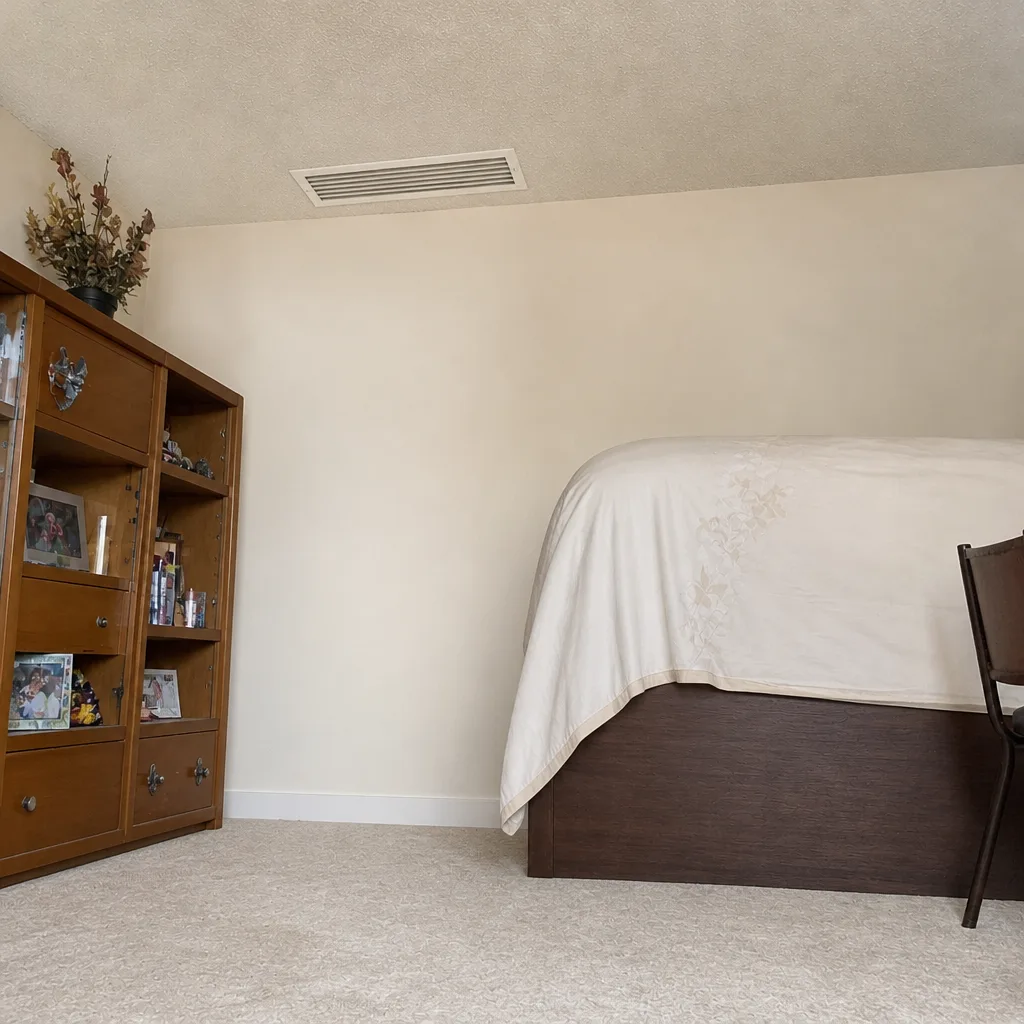 After
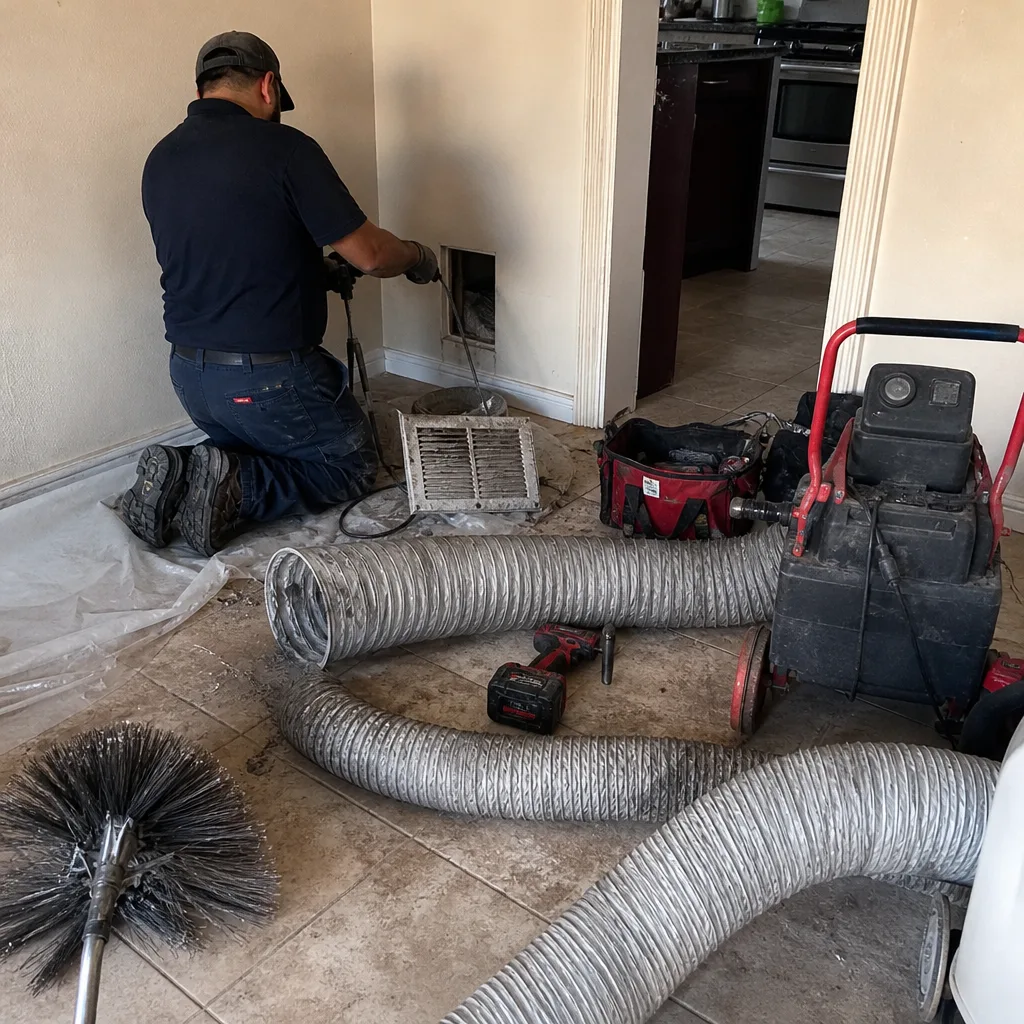 Before
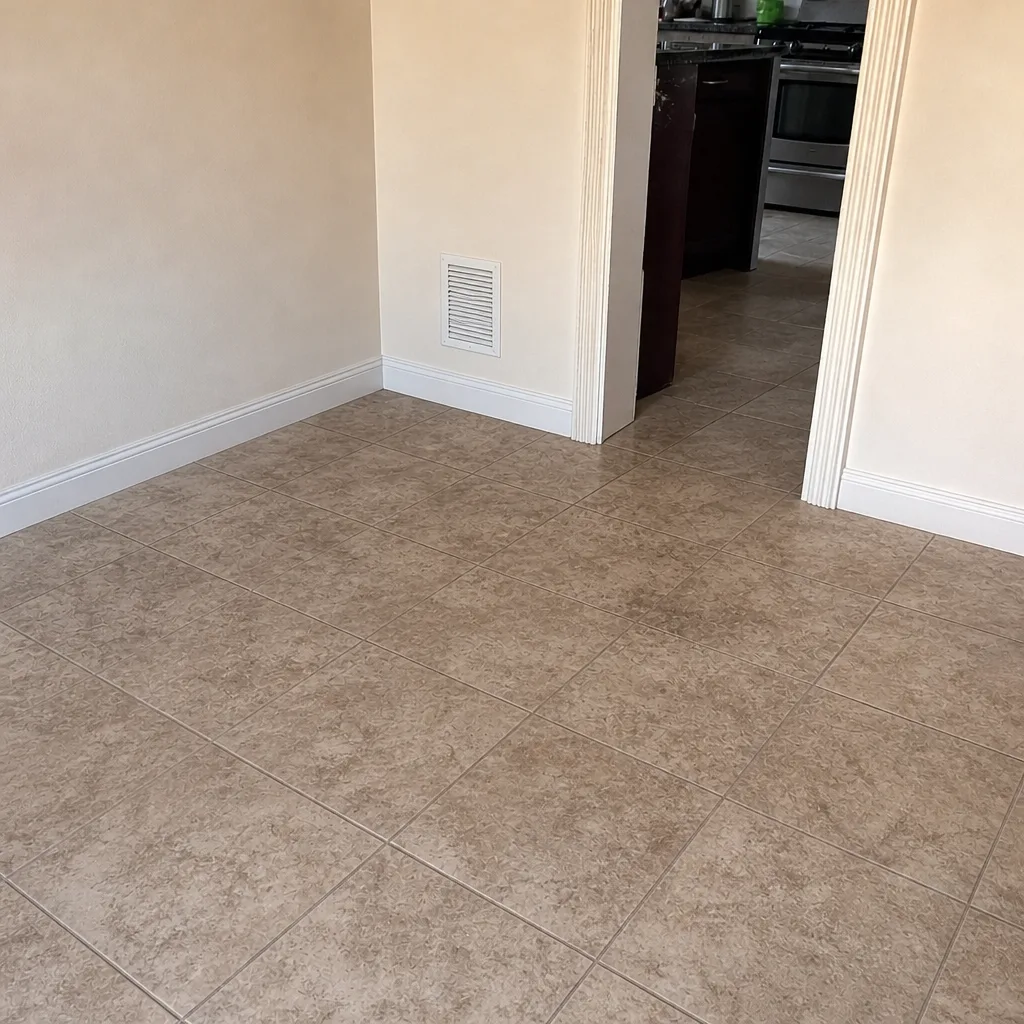 After
When to Call a Professional
Some signals mean it’s time for a professional visit rather than another season of waiting. Visible dust at the registers right after you’ve cleaned the room, a musty odor that shows up when the system runs, or allergy symptoms that get worse indoors all point to the ductwork being the source. A dryer that takes two cycles to dry a load, or a lint screen that fills in a single run, points to a restricted vent run. Recent construction or a remodel means post-construction cleaning before you occupy the space. And if you’ve never had the system cleaned since moving in, the cost of waiting is dust you’re breathing every day. Duct Cleaning El Paso offers free estimates in El Paso – call (866) 942-6158. Our technicians have up to 10 years of experience, and they’ll tell you what your system actually needs before anyone touches a wrench.
Frequently Asked Questions
Air duct cleaning in El Paso typically runs $350 to $700 for a standard single-story home, with whole-system work on larger or heavily soiled systems reaching $900 or more. The number is driven by vent count, linear feet of main trunk, access difficulty, and the condition of the system, not by the square footage of the house. Call (866) 942-6158 for an exact quote – estimates are free.
Cheap quotes leave out the parts of the job that take time: the air handler, the main trunk line, and the verification step. When a quote is dramatically lower than the rest, the scope is narrower, not the labor. A written scope of work and a flat price per system agreed before work starts protects you from the coupon-then-invoice pattern. Call (866) 942-6158 to compare a real scope for your home – estimates are free.
Before-and-after photos of your own ducts, not stock photos, are the standard for proof. Ask for them in writing before the job starts. A contractor confident in thorough work offers them without being asked. Call (866) 942-6158 if you want to see what the verification process looks like on an El Paso system – estimates are free.
Every three to five years is right for most homes, but pets, recent construction, allergy symptoms, and a system that’s never been cleaned all shorten the interval. Homes with good filtration and a maintenance cycle can stretch it. If you can’t remember the last cleaning, call (866) 942-6158 for an assessment – estimates are free.
Yes, dryer vent cleaning is a separate service and typically runs $99 to $175, and it’s worth every dollar. Lint-impacted vents are a leading cause of residential fires, and the full vent run from the dryer connection to the exterior termination needs cleaning, not just the short section behind the dryer. Call (866) 942-6158 to schedule dryer vent cleaning – estimates are free.
Post-construction cleaning costs more because drywall dust and construction debris require longer extraction dwell time and often a second pass through the system. Fine drywall dust bonds to duct walls in a way routine household dust doesn’t, so brush passes and negative-pressure run time both increase. If you’ve just finished a build or remodel in El Paso, call (866) 942-6158 – estimates are free.
The Bottom Line
The El Paso duct cleaning number that matters is the one matched to your actual house: single-story, slab foundation, attic air handler, long horizontal flex runs. That layout costs more to clean properly than a national pricing guide assumes, which is why the $99 quote never lands where the homeowner hoped. Budget $350 to $700 for a standard whole-system cleaning, more for post-construction or heavily soiled systems. Ask for a written scope, ask how the air handler and main trunk are handled, and demand before-and-after photos. With that in hand, you can compare quotes honestly and get the job done right the first time.
To learn more about dryer vent cleaning, how our air duct cleaning process works, and what we see across El Paso homes and businesses, explore our core service pages. We use professional-grade equipment, including Rotobrush rotary-brush systems and Abatement Technologies air-filtration units, so dislodged dust gets captured at the source instead of redistributed through your home. For a free estimate on your system, call Duct Cleaning El Paso at (866) 942-6158. We answer 24/7. Fast dispatch from 7am to 7pm, Sunday through Friday, and closed on Saturday. Visit our Duct Cleaning El Paso homepage to learn more about how we work, and let us give you a straight answer on what your ductwork actually needs.
Written by the team at Duct Cleaning El Paso.