
Last updated November 15, 2026
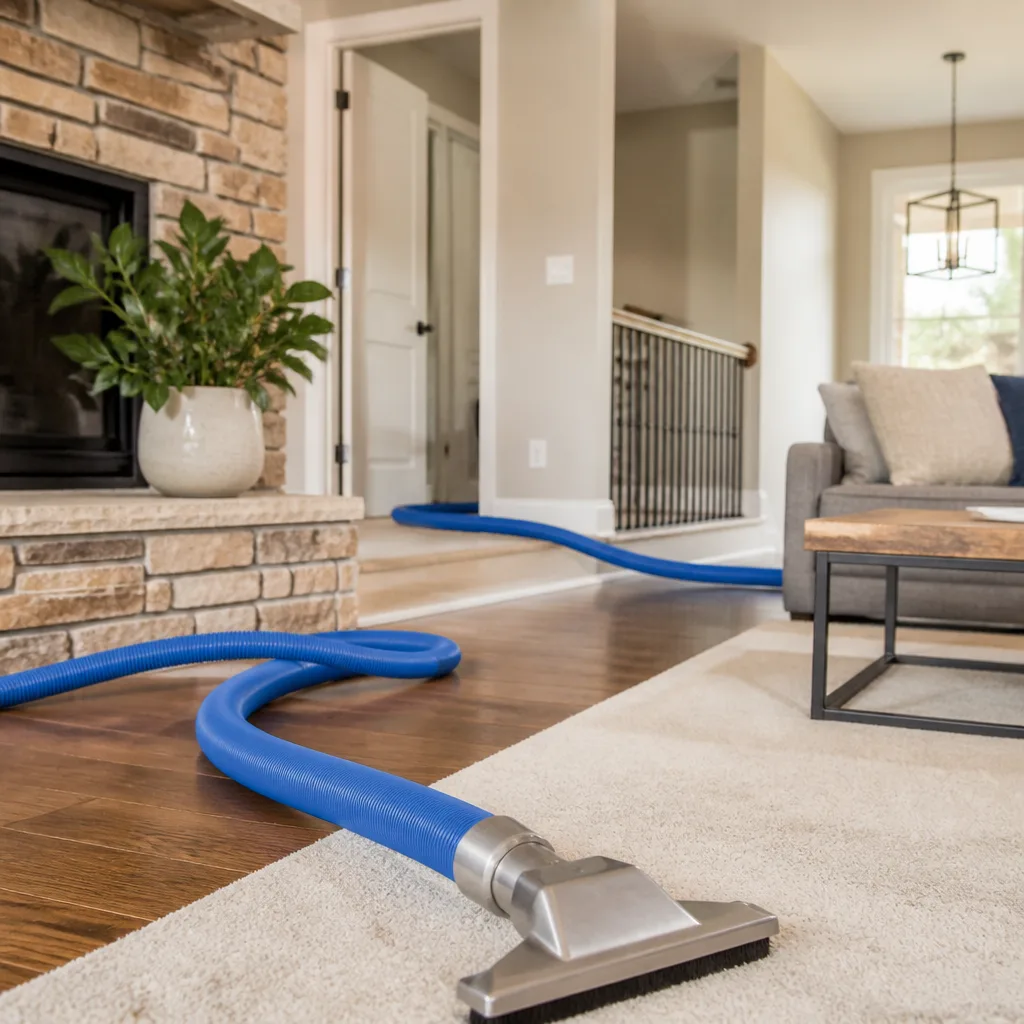 Whole-home duct cleaning
 Dryer vent cleaning
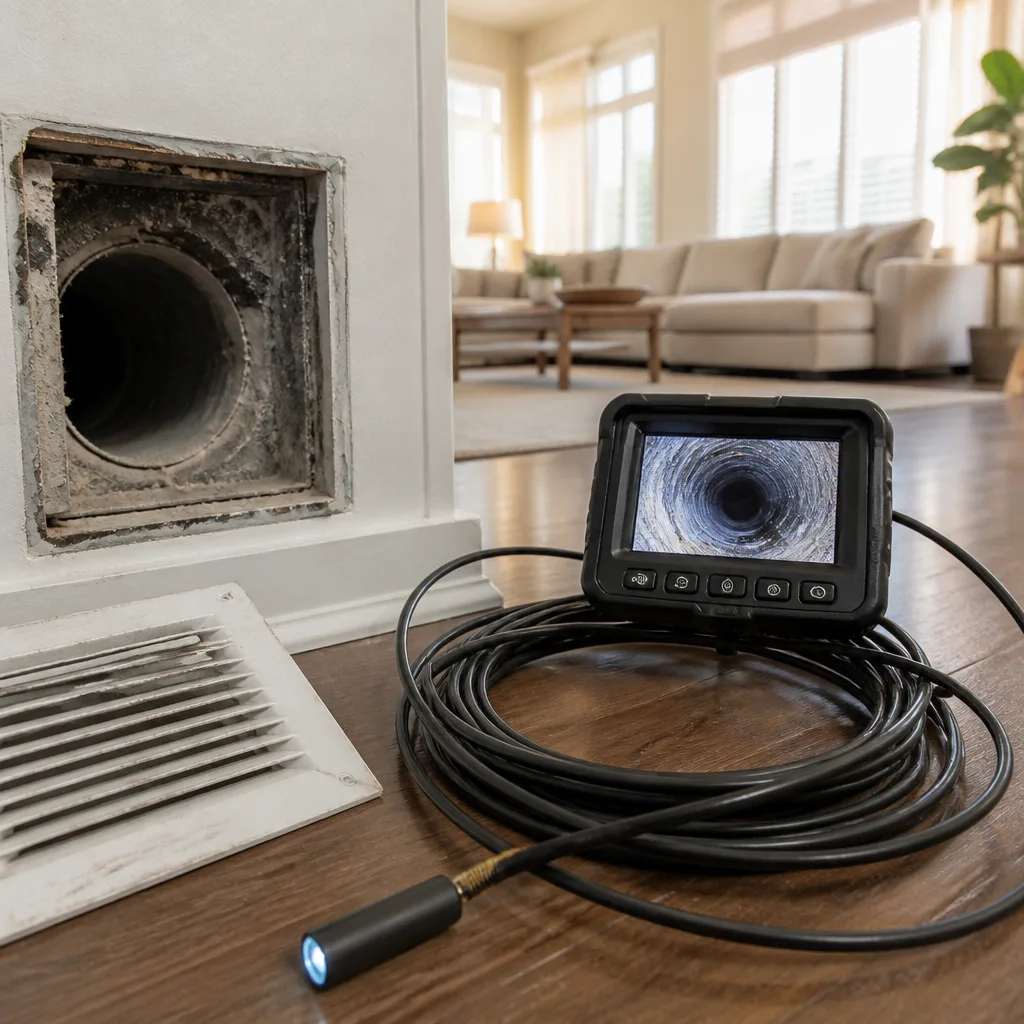 Camera inspection
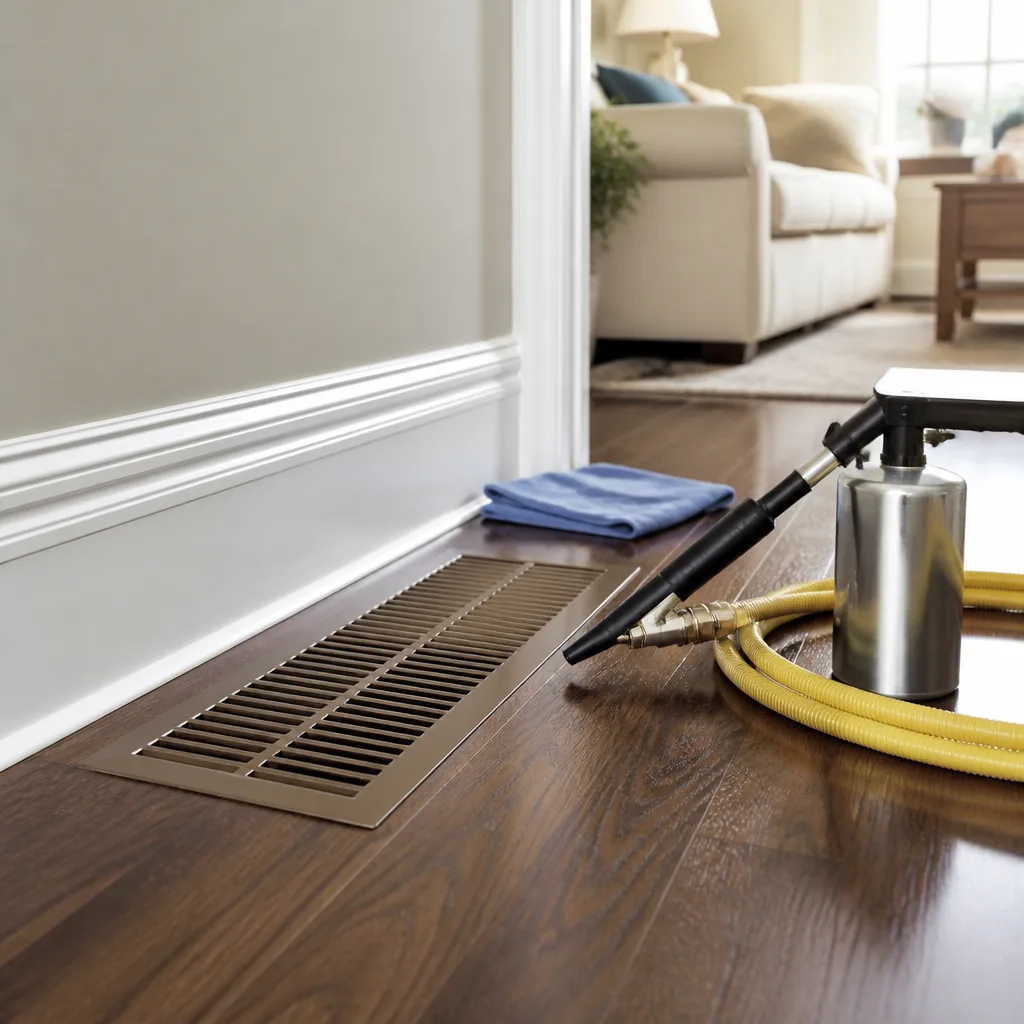 Sanitizing & deodorizing
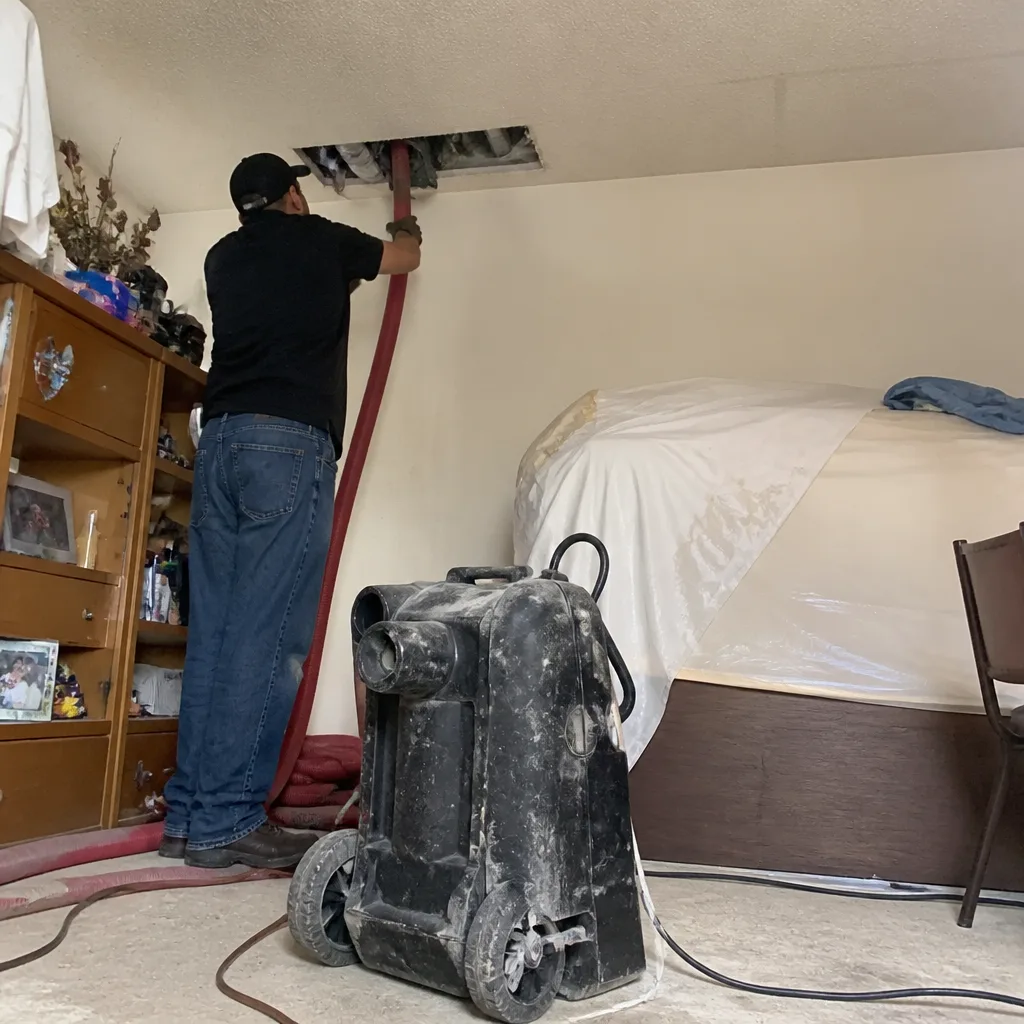
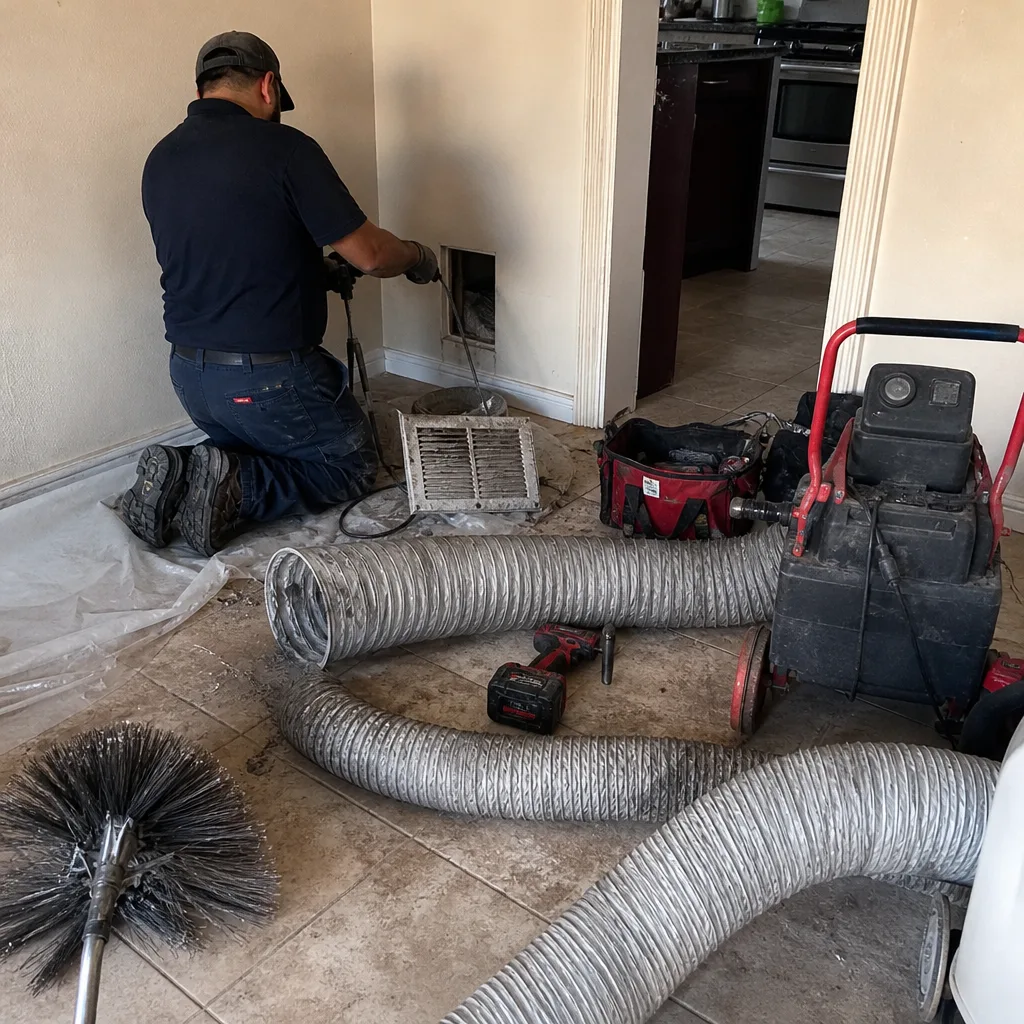
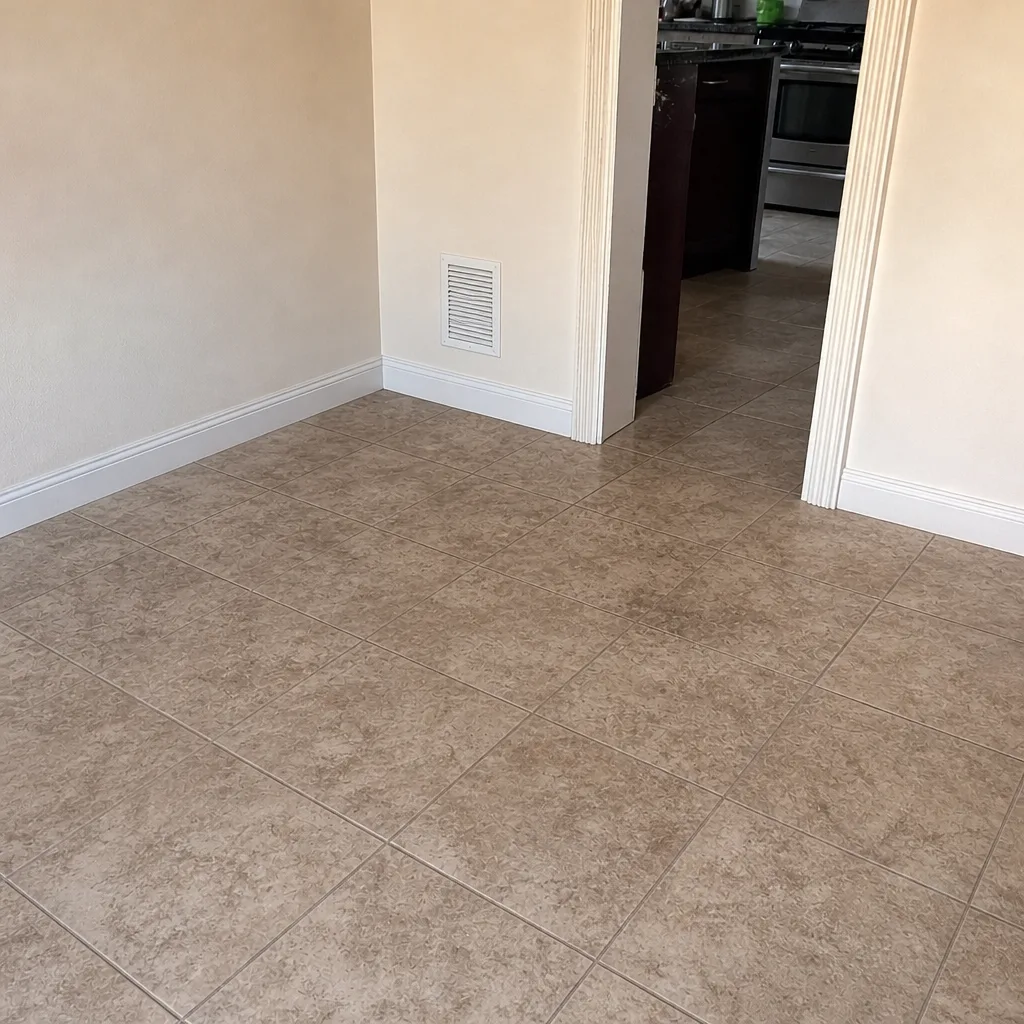
Whole-system duct and dryer vent check with before-and-after photos - you see exactly what came out of your vents
That "$99 whole-house special" is a bait ad - the real number appears once they are in your hallway, or the "clean" is a shop-vac at the register. We photograph the inside of your ducts before and after instead.
Air Duct Cleaning Permits, Codes & Inspections in El Paso, TX: What You Need to Know
Most homeowners assume duct cleaning is purely a maintenance service and paperwork-free, and they’re right until the technician recommends a duct board patch, a new flex duct run, or a UV system install. At that moment the job has crossed from cleaning into permitted work territory, and the rules change. That boundary matters in El Paso, where the housing stock runs from older central-corridor homes to newer builds on the far East Side, and where mechanical work inside a wall or ceiling assembly falls under state and city code. This guide draws the line between maintenance and alteration under Texas and El Paso codes, explains which add-on services trigger permits, and shows you how to ask for a scope of work before anything is opened up.
Quick Answer
In Texas, routine air duct cleaning does not require a permit because it’s classified as maintenance, not construction. But duct repair, flex duct replacement, adding a new run, enlarging a plenum, or installing a UV germicidal light inside the ductwork is regulated mechanical and electrical work, and in El Paso that generally means a permit through the City of El Paso Development Services Department plus an inspection before the work is closed up. Ask any contractor for a written scope of work so you know which category your job falls into before it starts.
Styles & brands we work with
- Whole-home duct cleaning
- Dryer vent cleaning
- Camera inspection
- Sanitizing & deodorizing
Table of Contents
- Maintenance vs. Alteration: Where Texas Draws the Line
- El Paso Permit Requirements for Duct and Mechanical Work
- Why UV Germicidal Lights Are a Permit Item, Not an Accessory
- How to Request a Scope of Work Before the Job Starts
- What an Inspection Actually Involves
- Unpermitted Duct Work at Point of Sale in El Paso
- Duct Repair as a Standalone Service: The Permit Boundary
- Documenting Your Cleaning History
Maintenance vs. Alteration: Where Texas Draws the Line
Texas separates duct maintenance from duct construction under the Texas State Mechanical Code, which mirrors the International Mechanical Code (IMC) most municipalities adopt. Cleaning – brushing, vacuuming, sanitizing, replacing return-air filter grilles – is maintenance. Alteration – adding, removing, extending, or reshaping a duct run, changing the duct system’s capacity, or modifying the air-handling unit enclosure – is construction and falls under code. The practical test isn’t how messy the job is. It’s whether air flow or system capacity changes.
Here’s how the two categories usually sort out in our experience across El Paso:
- Maintenance (no permit): rotary-brush cleaning of supply and return trunks, evaporator coil cleaning, sanitizing, replacing filter grilles with same-size units, sealing minor accessible leaks with mastic.
- Alteration (permit likely): replacing a collapsed section of flex duct, adding a new supply run to a converted room, enlarging or rebuilding a plenum, relocating a register, changing duct diameter, and installing any powered inline device inside the ducted system.
Two thresholds catch people off guard. First, adding a completely new duct run to serve a room that didn’t have one is not repair – it’s new construction, and it shows up on El Paso permit records as mechanical work. Second, a “patch” on duct board that reconnects two sections with a change in cross-section is a modification of the system capacity in the eyes of many inspectors, even if the homeowner thinks of it as a fix. The right answer always comes from the city, not from the truck.
We should be clear about what we do and don’t decide. Our role is to inspect the ductwork, tell you what we find, and flag when a task has crossed from cleaning into alteration. The permitting determination is made by the City of El Paso Development Services Department, and the licensed trade contractor who performs the alteration pulls the permit. We’ll hand you a written scope of work so you have the facts in hand when you call.
El Paso Permit Requirements for Duct and Mechanical Work
El Paso issues mechanical permits through the City of El Paso Development Services Department, and duct alterations are handled under the mechanical permit category. A permit application normally requires a scope description, the address, the contractor’s state license information, and sometimes a simple sketch of the affected section. Inspections are scheduled after the work is complete and, for concealed work like a duct run inside a soffit or above a hard ceiling, before the drywall goes back up.
What usually triggers a permit in an El Paso duct job:
- New duct run: any supply or return that adds capacity to the system.
- Duct replacement in a wall or ceiling: replacing a flex run in a concealed assembly.
- Plenum modifications: opening the supply or return plenum to install a filtration box, UV device, or second drop.
- Air-handler relocation or replacement: even when the attached ductwork is “just cleaned” while the unit is out.
- UV and powered inline air-quality devices: these require both a mechanical alteration and an electrical circuit.
What usually does not:
- Cleaning the ductwork, registers, and coil with rotary-brush and negative-pressure equipment.
- Replacing same-size return-air filter grilles with Aprilaire or Honeywell filter cabinets at the air handler or wall location approved by the manufacturer.
- Re-sealing accessible joints with mastic or mesh tape in open areas of the attic or garage.
El Paso’s climate matters here in a way it doesn’t in wetter cities. The desert air is dry most of the year, and flex duct in an unconditioned attic is exposed to extreme summer heat. That heat ages the inner liner and the outer jacket faster than in a milder climate, so duct replacement comes up more often in El Paso than homeowners expect. When a technician tells you a section has to be replaced, not just sealed, that’s the moment to ask about a mechanical permit – because that task, by definition, is alteration.
Why UV Germicidal Lights Are a Permit Item, Not an Accessory
UV germicidal lights installed inside a duct system are not cleaning accessories. They’re powered devices that require an electrical circuit, a mechanical cut into the duct or coil enclosure, and in most cases a modification to the air-handler or plenum. That makes them an electrical and mechanical modification under both Texas and El Paso code, which means a permit and an inspection – the same as adding any other powered equipment to the ducted system.
Three things a UV install changes about the job:
- It changes the enclosure. Cutting a hole in the plenum or air-handler cabinet to mount a UV fixture modifies a sealed assembly. The seal has to be restored and inspected.
- It introduces a new electrical load. The device needs a proper circuit and disconnect. That’s electrical work, and a licensed electrician is usually the one pulling that permit.
- It changes how we plan the visit. Cleaning followed by a UV install is no longer a one-phase job. The cleaning gets done, then the modification. Those are two different scopes with two different sets of paperwork.
In our experience, most UV inquiries in El Paso come from homeowners who’ve read about them online and expect a plug-in add-on. They’re surprised to hear it’s a mechanical cut and an electrical permit. We’d rather tell them plainly on the phone than surprise them mid-visit. If you’re considering a UV system alongside a standard air duct cleaning appointment, say so up front so the scope of work reflects both pieces.
Where filtration upgrades land is different. Swapping a standard filter grille for an Aprilaire or Honeywell filter cabinet at the same wall opening is generally a one-for-one replacement, not a modification, and usually doesn’t require a mechanical permit. But a filter box that changes the duct geometry to accommodate a deeper media filter becomes an alteration. It depends on the assembly.
How to Request a Scope of Work Before the Job Starts
A scope of work is a one-page document that lists exactly what a contractor intends to do, in plain language, before any work begins. Ask for it in writing. Any professional duct contractor can produce one, and a refusal is a warning sign in itself. Here’s how to ask:
- Ask before the visit. When you book, say: “I need a written scope of work before anyone touches the ducts.” A proactive contractor will note it on the work order.
- Have the contractor itemize the tasks. Each line item should name a specific action: “rotary-brush clean 6 supply runs and 2 returns,” “replace 8 feet of 6-inch flex in the utility-room soffit,” “install UV fixture in the return plenum.”
- Ask directly: “Does this line item require a permit?” Go line by line. The contractor doesn’t get to decide the answer, but should be able to tell you which items likely fall on the alter side.
- Ask who pulls the permit. For any alteration, a licensed trade contractor is normally the permit applicant. If the scope includes alteration work, that name and license number should appear on the document.
- Get the scope in writing and keep a copy. This becomes your record if you ever sell the home or need to explain a modification to an appraiser or inspector.
In El Paso, the scope of work matters because a lot of duct alteration is hidden inside soffits, attic runs, and above hard ceilings. Once drywall closes over a change, nobody can see what was done without opening it up again. The scope and the before-and-after photos are what stand in for that visibility. Our technicians photograph the ductwork before and after cleaning on every job, and we hand those photos over as part of the visit record.
For more on how the cleaning visit itself is structured, see our duct cleaning El Paso page. The scope of work question applies to every job, and the cleaning visit is where it usually comes up.
What an Inspection Actually Involves
An El Paso mechanical inspection for duct alteration is not a duct cleaning inspection. It’s a construction progress check. The inspector is looking for code compliance on the alteration – proper duct material, sealed joints, correct supports, adequate clearances, and appropriate electrical connection for any powered equipment. Cleaning quality is not what they’re there to judge.
A typical sequence looks like this:
- Rough-in inspection. After the duct alteration is installed and before any concealed space is closed (soffit drywall, ceiling patch, etc.), the inspector visually checks the new work.
- Electrical inspection (if applicable). If the job added a UV light or another powered inline device, the electrical rough-in and final are inspected under the electrical permit.
- Final inspection. After the system is back together and running, the final covers proper operation and completion of the scope.
What inspectors commonly flag: improperly supported flex duct (sag between hangers), damaged inner liner on flex runs, duct board joins without proper mastic or tape, and missing fire dampers where a duct passes a rated assembly. None of these are cosmetic. They’re the same things a good cleaning contractor should already be looking at when they open the system.
The practical point for El Paso homeowners: if you had an alteration done and the contractor skipped the permit, you get no inspection. That means any of the items above could exist behind your drywall with nothing on record saying otherwise. When we perform air duct repair, we walk the system first, tell you what we see, and identify which repairs are alterations that need a permit versus which are resealing and reconnection in accessible areas.
Unpermitted Duct Work at Point of Sale in El Paso
Unpermitted duct work tends to surface at the worst time: the home inspection, appraisal, or final walkthrough. El Paso buyers, appraisers, and their agents know what mechanical work usually looks like in a house of the home’s age, and new flex runs feeding rooms with no corresponding recent permit record raise questions. The buyer asks for evidence. The seller produces nothing. The deal slows down.
What buyers and their agents ask for that you can actually produce:
- A written scope of work from the contractor who performed any alteration, with the permit number if one was pulled.
- Before-and-after photos of the ductwork.
- Inspection sign-off documentation for any permitted mechanical work.
- A cleaning record with the date, the address, and the tasks performed.
None of this is legally required to sell a home in Texas. But a disclosed, documented history of duct cleaning and repair shortens the conversation. The opposite – a hidden flex duct run to a converted garage bedroom, no permit, no photos, no scope – invites the buyer to imagine the worst and discount accordingly. We’ve seen El Paso sales slow over duct work that turned out to be fine; the problem was the missing paperwork.
One useful step: request your address’s permit history from the City of El Paso Development Services Department before listing. If mechanical permits exist, keep the records with the closing file. If none exist for duct work you know was performed, at least you’re ready for the question and can produce the scope of work and photos instead of scrambling.
Duct Repair as a Standalone Service: The Permit Boundary
Duct repair is where the cleaning and construction categories most often blur in our experience. A collapsed flex run in an attic, a disconnected trunk in a crawl space, a broken duct board section in a garage soffit – the homeowner hears “repair” and doesn’t imagine permits. Some repairs really don’t need one. Others do. The HVAC trade and the City of El Paso split them roughly like this:
- No permit typically required: resealing joints and seams with mastic or tape, reconnecting a disconnected duct to an existing boot or collar at the same size, replacing a same-size grille, taping and mastic-sealing accessible leaks.
- Permit typically required: replacing a full duct run in a concealed assembly, adding a new run, changing duct diameter or capacity, rebuilding a plenum, installation of powered inline devices.
Notice the word “accessible.” A leak you can tape in the garage doesn’t cross into construction. A collapsed 8-foot section of flex above a hard hall ceiling is a replacement, and it’s concealed. The permit exists because the work going back inside the wall or ceiling is not visible once it’s closed. In our experience, the cleanest way to sort it is:
- Inspect the full system, not just the apparent problem area.
- Categorize each finding as a reseal, a same-size replacement, or an alteration of the system.
- Put it in a scope of work with the permit determination on the line.
- Let the homeowner decide whether to proceed with the alteration or hold and just handle the cleaning and resealing.
We perform air duct repair as a standalone service, not a bolt-on to cleaning. That means we’re inspecting the whole system before we recommend what to fix. When the fix is resealing, we reseal. When it’s a replacement, we tell you straight that it’s a permit situation and hand you the documentation to pursue it with a licensed mechanical contractor. “We repair what we find” is the working principle, and part of repairing what we find is being honest about what crosses into permitted territory.
Documenting Your Cleaning History
A cleaning record is worth keeping even when no permit applies. It costs you nothing, protects you at resale, and gives you a baseline for future maintenance. What a useful record contains:
- Date of service and full property address.
- Written scope of work (what was cleaned, what was repaired, what was inspected).
- Before-and-after photos of the ductwork and registers.
- Mention of any permit pulled and the name of the licensed contractor.
- Notes on the filtration system (media filter size, model, whether a Honeywell or Aprilaire cabinet is installed).
- Notes on any UV fixture or powered inline equipment and its electrical circuit.
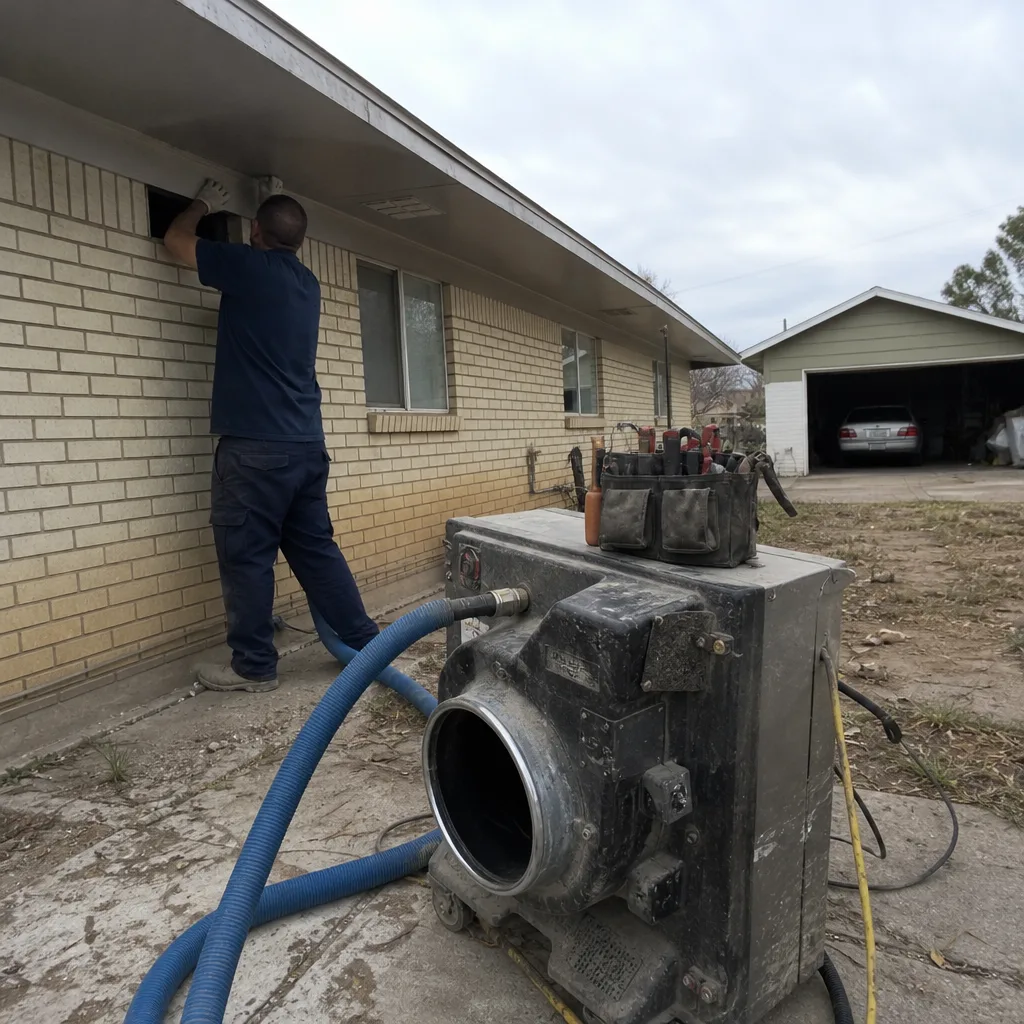
Separately, dryer vent service deserves its own record. Lint-clogged dryer vents are among the leading causes of residential fires, and the visible part of the vent that lives inside the wall is the piece nobody thinks about until it’s blocked. When we clean a dryer vent, we address the full vent run – not just the visible section at the back of the dryer. That record is worth keeping alongside the duct cleaning record. If you haven’t had yours looked at, our dryer vent cleaning page walks through what the service covers and why it’s treated as a fire-safety check, not a cosmetic cleaning.
The El Paso angle on dryer vents: the same dry heat that ages flex duct in the attic also bakes lint in a metal vent run until it hardens and narrows the flow path. The dryer starts taking two cycles and the owner doesn’t connect it to lint. Two runs of clothes dryer to a full vent is the simplest sign to have it opened up and cleaned.
Common Mistakes to Avoid
- Treating every duct repair as cleaning. A reseal is maintenance. A replacement run in a soffit is construction. Ask before anyone cuts.
- Hiring a cleaning-only contractor for an alteration. Cleaning specialists can identify what needs altering, but a licensed mechanical contractor owns the permit and the inspection. If a company quotes you a flex duct replacement with no permit conversation, that’s the wrong company for that scope.
- Adding a UV light as if it were a filter swap. A UV install cuts the plenum and adds an electrical circuit. It’s a mechanical and electrical modification with two inspections.
- Skipping a written scope of work. In El Paso, the paper trail is often the only evidence of what was done. Without it, you lose the ability to answer buyer and appraiser questions cleanly.
- Assuming “no permit” means “no record.” Every cleaning and repair should still produce photos and a written record. A permit is a city issue; a record is a homeowner’s issue.
- Confusing an attic duct problem with a cleaning item. A collapsed flex run in an El Paso attic isn’t dust – it’s a broken air path. Cleaning alone makes it look handled while the capacity stays reduced.
- Leaving dryer vent cleaning for the next owner. A lint-clogged vent run is a fire hazard when you live there, not when you sell. Treat it as a safety check, not a checkbox.
See the difference
 Before
 After
 Before
 After
 Before
 After
When to Call a Professional
Call a professional duct contractor when you find visible flex duct sagging or torn in the attic, a room that’s stopped getting air, musty smells from supply registers, or a dryer taking more than one cycle to dry a load. Call when a technician recommends an alteration and you want a second opinion on whether a permit is needed, or when an inspector or realtor flags duct work for lack of documentation. Call when you’re buying a home in El Paso and want the duct system looked at before closing. Duct Cleaning El Paso offers free estimates in El Paso – call (866) 942-6158. We answer 24/7, and we schedule a technician for fast dispatch from 7am to 7pm, Sunday through Friday.
Frequently Asked Questions
No. Routine air duct cleaning in El Paso is classified as maintenance under the Texas State Mechanical Code and does not require a permit. Permits apply to alterations – adding, replacing, or modifying duct runs in concealed assemblies – and to powered devices like UV germicidal lights installed inside the ductwork. Call (866) 942-6158 for an exact quote if you’re unsure which category your job falls into.
It depends on the repair. Resealing joints and reconnecting a same-size duct to an existing collar is maintenance. Replacing a full run in a wall, ceiling, or soffit, adding a new run, or reshaping a plenum is alteration and generally requires a mechanical permit through the City of El Paso Development Services Department. Ask for a written scope of work and request the permit determination line by line. Call (866) 942-6158 – estimates are free.
Yes, as a mechanical and electrical modification. A UV fixture cuts the plenum or air-handler enclosure and introduces a new electrical circuit, which places it outside the “cleaning accessory” category. A licensed contractor pulls the permit; the work gets inspected. Schedule a walkthrough with us and we’ll identify what’s needed. Call (866) 942-6158 for an exact quote.
Often nothing immediately. But at point of sale in El Paso, unpermitted duct work shows up in home inspection reports and appraisals without a paper trail to explain it, and the buyer’s questions get harder to answer. Pull your permit history from the City of El Paso Development Services Department before listing so you know the record. Call (866) 942-6158 if you want a technician to inspect the system and produce a written scope you can keep.
Ask for before-and-after photos of the ductwork, which we take and hand over on every cleaning visit, plus a written scope of work listing the tasks and the permit determination line by line. Accessible sections of supply and return ducts can also be inspected visually during service. Call (866) 942-6158 if you want a technician to walk the system and show you what they see.
There’s no fixed interval. Every few years is a reasonable baseline for most El Paso homes, but homes recently renovated, homes with pets, and homes where the system has never been touched tend to justify cleaning sooner. The right interval depends on the system, not the calendar. Call (866) 942-6158 for an assessment – estimates are free.
The Bottom Line
Duct cleaning itself is paperwork-free in El Paso because it’s maintenance. That changes the moment the job becomes an alteration – a flex duct replacement in a soffit, a new run, a plenum rebuild, a UV fixture in the return. Those tasks are regulated mechanical and electrical work in Texas and El Paso, and they need the paperwork that goes with them. Ask for a written scope of work before the visit. Ask, line by line, whether a permit applies. Keep the photos, the scope, and the permit number with your home records. And if you want a technician to walk the system and give you the honest category for each finding, that’s exactly what we do.
Call Duct Cleaning El Paso at (866) 942-6158 for a free estimate. We answer 24/7, and we schedule fast dispatch from 7am to 7pm, Sunday through Friday. We’re closed Saturday. If you suspect duct alteration, dryer vent accumulation, or a system that’s lost capacity, we’ll walk you through what we find and put it in writing. Cleaner air starts in the ductwork, and it starts with knowing exactly what’s in it.
Homes in the northeastern neighborhoods near the Franklin Mountains and the newer subdivisions developing on the far East Side face the same permit rules as anywhere else in El Paso. Our service area covers the whole metro, and the scope of work question is the same no matter the ZIP.
Written by the team at Duct Cleaning El Paso.