
Last updated November 15, 2026
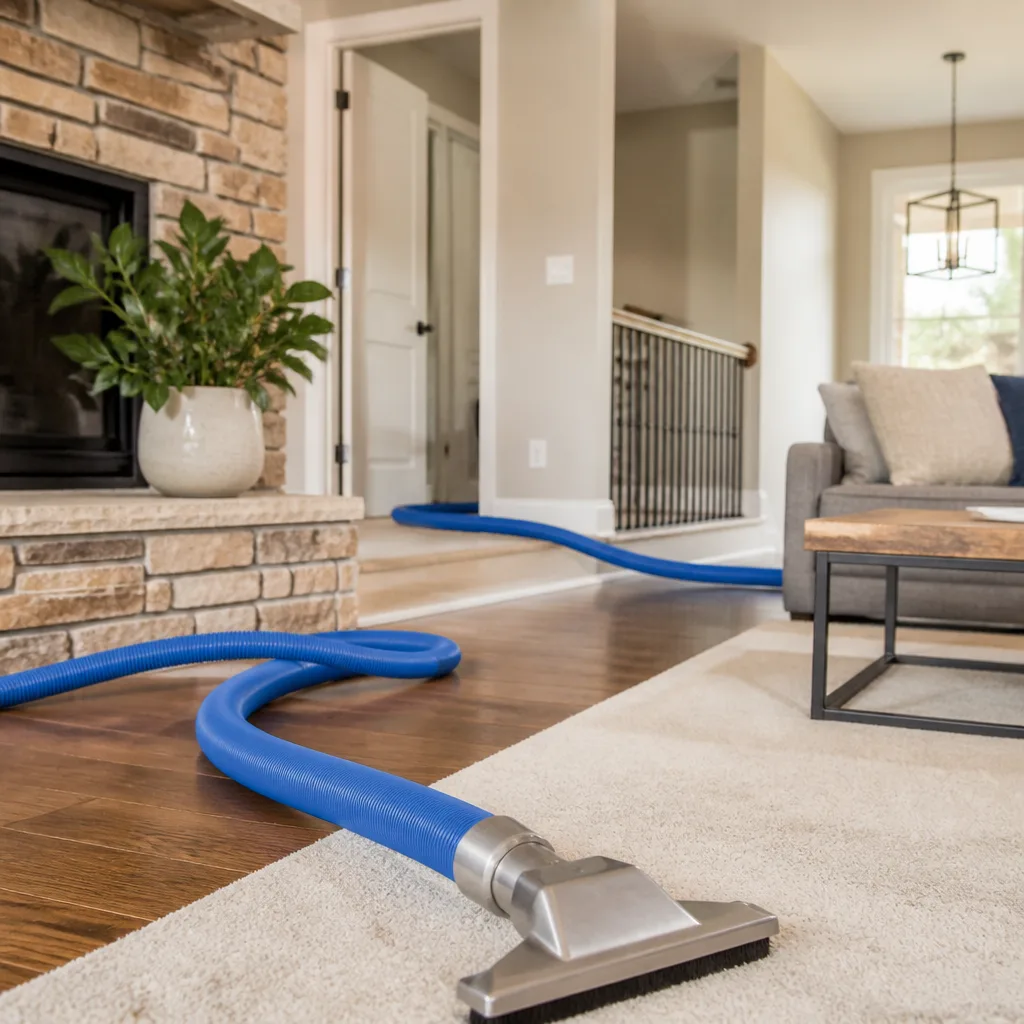 Whole-home duct cleaning
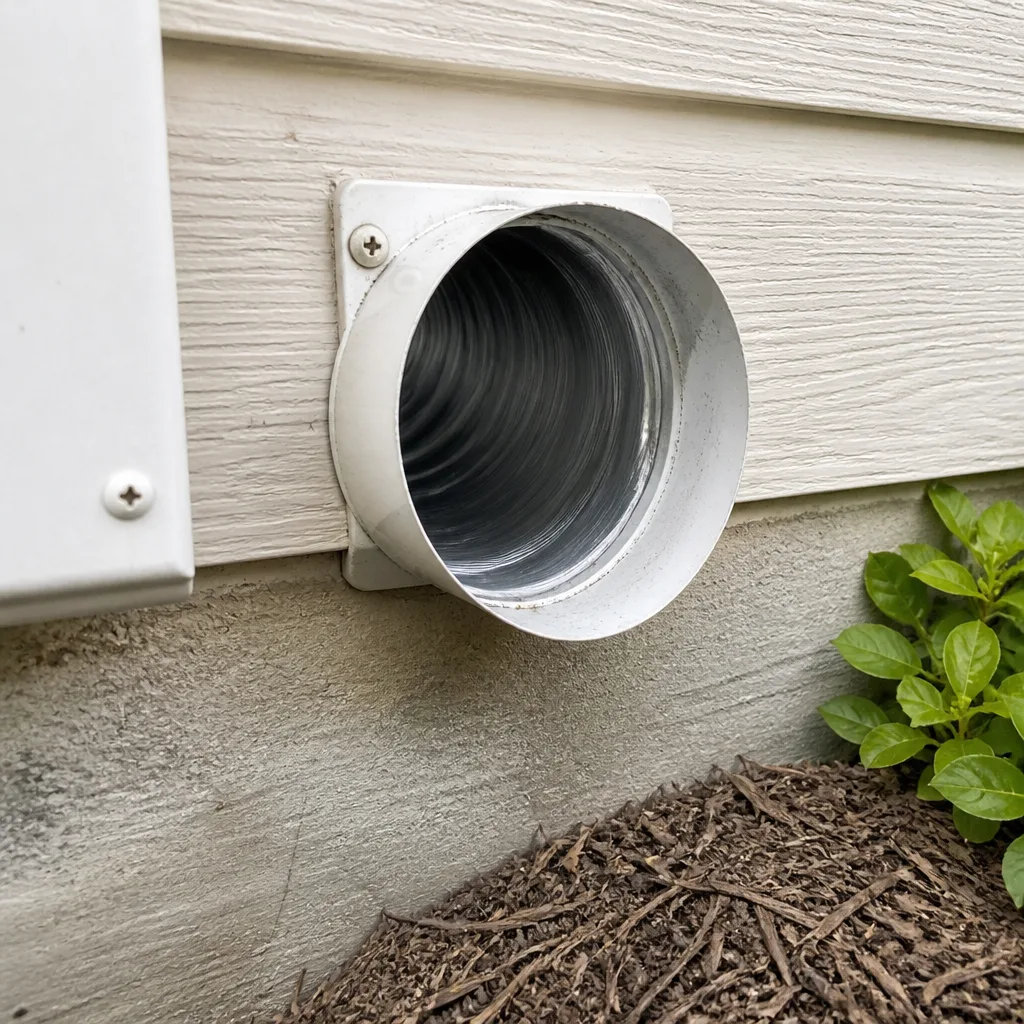 Dryer vent cleaning
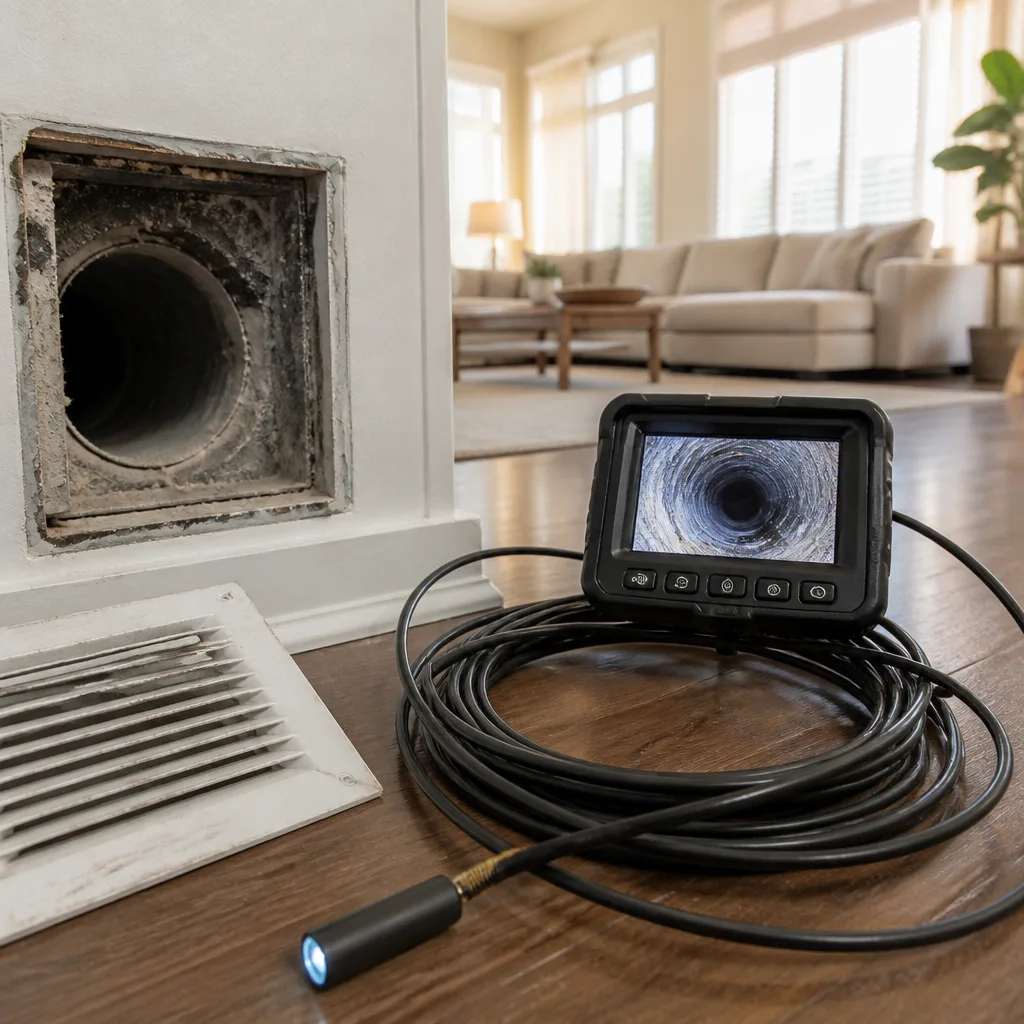 Camera inspection
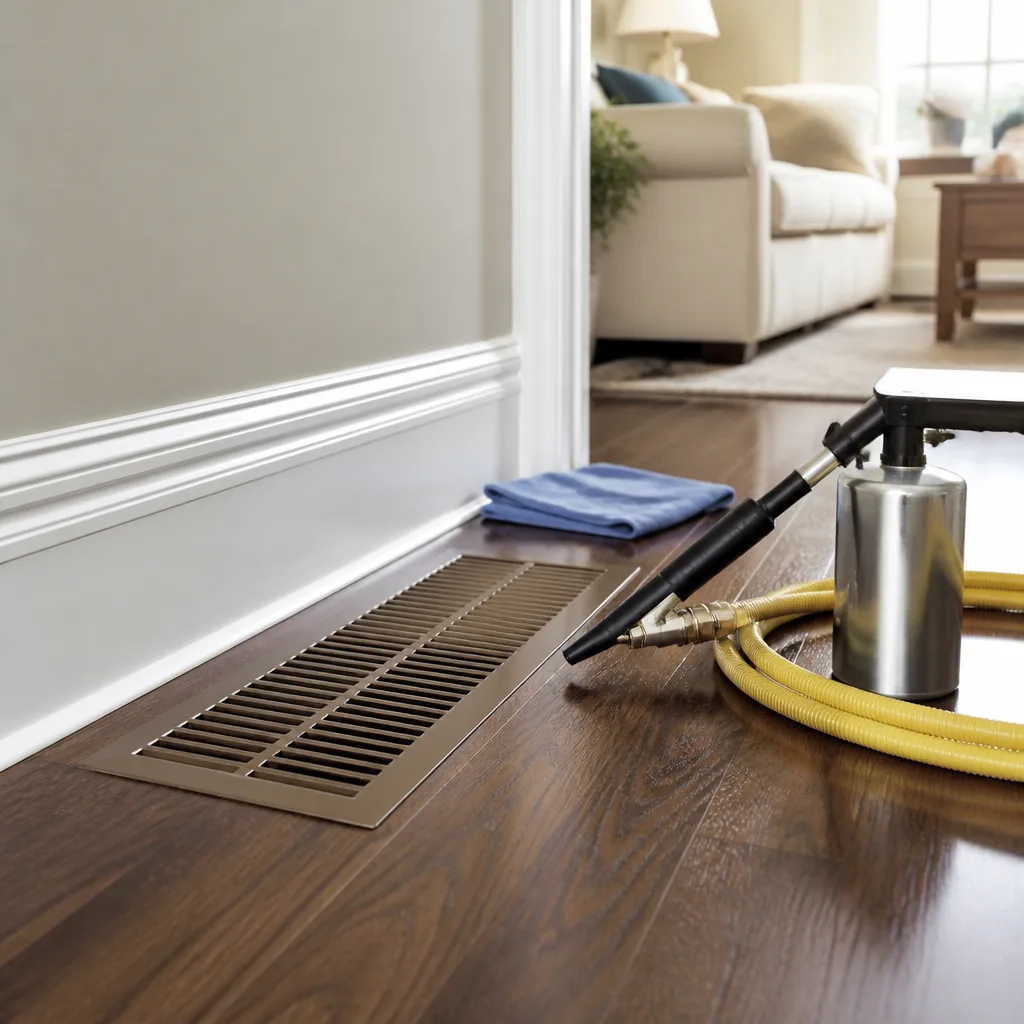 Sanitizing & deodorizing
Whole-system duct and dryer vent check with before-and-after photos - you see exactly what came out of your vents
That "$99 whole-house special" is a bait ad - the real number appears once they are in your hallway, or the "clean" is a shop-vac at the register. We photograph the inside of your ducts before and after instead.
How to Hire an Air Duct Cleaning Contractor in El Paso: A Step-by-Step Guide
The cheapest duct cleaning quote in El Paso often comes from a company that shows up with a truck-mounted blower and a handheld brush. That combination pushes dust and debris back into the living space instead of pulling it out. And here’s the uncomfortable part: you cannot tell the difference between a proper extraction job and a glorified air-stirring from a phone quote or a handful of five-star reviews. Both sound identical over the phone. This guide teaches you to vet contractors by equipment specifications, process steps, and documented proof of work. You’ll learn the three equipment questions to ask before booking, how to spot a generalist HVAC company using duct cleaning as a customer-acquisition tool, and how to structure a before-and-after photo request so you have real proof. It’s written from inside the El Paso market.
Quick Answer
To hire an air duct cleaning contractor in El Paso, ask three equipment questions before you book: does the crew use a rotary-brush system, does it run negative-pressure equipment with a rated airflow capacity, and is the exhaust HEPA-filtered. Then confirm the contractor performs a pre-cleaning inspection and provides before-and-after photos of your own ductwork. A dedicated indoor-air-quality specialist will answer all of these without hesitation. A generalist HVAC company offering duct cleaning as an upsell usually won’t.
Styles & brands we work with
- Whole-home duct cleaning
- Dryer vent cleaning
- Camera inspection
- Sanitizing & deodorizing
Table of Contents
- Why Duct Cleaning Goes Wrong in El Paso
- The Three Equipment Questions to Ask Before Booking
- Dedicated IAQ Specialist vs. Generalist HVAC Company
- What NADCA Membership Actually Certifies – and What It Doesn’t
- Red Flags Specific to the El Paso Market
- How to Structure a Before-and-After Photo Request
- A Step-by-Step Vetting Process
- Why Repair Capability Matters More Than You Think
Why Duct Cleaning Goes Wrong in El Paso
El Paso sits in the Chihuahuan Desert, and that shapes what ends up in a home’s ductwork. Fine desert dust is a constant, and it doesn’t stay on surfaces. It travels through return-air grilles, settles along duct walls, and builds up in the low sections of supply runs where airflow is weakest. Add the region’s windy spring months, when airborne particulate loads spike, and you have duct systems that accumulate debris faster than ducts in humid or heavily forested parts of the country. When a crew cleans that system with the wrong method, the result is worse than leaving it alone.
Here’s the mechanical reality. A shop-vac or a low-powered truck blower attached to one register creates turbulence inside the duct. It loosens dust, but it doesn’t have the airflow to carry the debris out of the system and into a collection unit. So the dust gets pulled off the duct wall, drifts through the house, and settles onto furniture, bedding, and the same return grilles it came from. A homeowner pays for a cleaning and ends up with a living room coated in fine dust a day later, unsure whether the service worked at all.
Proper cleaning looks different. It combines two things: mechanical agitation that dislodges debris from the duct wall, and sustained negative pressure that captures it at the source and pulls it into a filtration unit before it can enter the room. One without the other doesn’t clean a duct. It just moves contamination around. That’s the whole reason to vet a contractor by method rather than by price. A company that skips the agitation step or runs a weak vacuum is charging you for a service it cannot actually perform, and no amount of reassurance over the phone changes the physics.
The Three Equipment Questions to Ask Before Booking
These three questions are the fastest way to separate a real duct cleaning operation from a loss-leader upsell. Ask them before you book, and listen for specifics rather than general reassurance.
- Do you use a rotary-brush system, or a vacuum-only approach? A rotary brush physically scrubs the duct walls with a spinning mechanical head that reaches down the length of the run. Vacuum-only cleaning pulls loose debris from the surface but leaves adhered buildup behind. Professional systems like Rotobrush are purpose-built for this mechanical agitation. If the answer is a handheld brush and a shop-vac, the job isn’t a proper cleaning.
- What is the negative-pressure airflow capacity of your equipment? A genuine duct cleaning rig moves enough air through the system to hold debris in suspension and pull it into a collection unit. You don’t need to memorize CFM figures, but you should hear a specific equipment name and understand that the crew runs a high-powered vacuum through the full system during the job. Look for a system designed for duct cleaning, like the Nikro line of negative-pressure equipment, rather than a consumer vacuum adapted to the task.
- Is the exhaust HEPA-filtered, and do you run supplemental air filtration on-site? This is the question most homeowners forget. Even with a strong vacuum, fine particulate can escape at the connection point or into the room. A crew that deploys Abatement Technologies air-filtration units during the job captures those particles at the source instead of letting them redistribute through the home. If the contractor can’t answer this, they aren’t thinking about your indoor air during the cleaning.
A dedicated air duct cleaning specialist will answer all three in plain technical terms. If the responses feel vague, move on. No cleaning method, no matter the price, is worth paying for when the result is just disturbed dust. If you want to understand what a correctly performed air duct cleaning involves from start to finish, that page walks through the process step by step.
Dedicated IAQ Specialist vs. Generalist HVAC Company
The single biggest source of bad duct cleaning in El Paso isn’t a scam company. It’s a generalist HVAC company that offers duct cleaning as an add-on. These are legitimate businesses that install and repair heating and cooling equipment, and many do that work well. But duct cleaning isn’t their specialty. It’s a service they bundle in to win a customer or fill a slow schedule. The equipment they use reflects that: it’s often undersized for a full duct system, designed to move air through a register rather than extract debris from the entire run.
The tell is in the sales pattern. A generalist rarely leads with duct cleaning. It appears as an upsell alongside a filter change, a tune-up, or a system install, priced as a flat add-on with little discussion of method. You don’t get a pre-cleaning inspection, and you don’t get before-and-after documentation. The technician shows up, runs a blower, packs up, and hands you an invoice.
A dedicated indoor-air-quality specialist looks different in a few clear ways:
- Duct cleaning is the core service, not a bundle. The equipment is purpose-built for it, and the crew does it every working day.
- A pre-cleaning inspection comes first. The contractor examines the ductwork, register count, and system layout before quoting, and adjusts the price and scope to what’s actually there.
- Repair is available as a standalone service. Duct cleaning frequently turns up disconnected joints, crushed flex runs, or gaps at registers. A specialist can seal and restore that ductwork. A cleaning-only generalist leaves it for someone else to fix.
- Before-and-after photos come standard. The crew documents what it found and what it left behind.
- Filtration expertise is part of the conversation. A specialist who stocks and services products from Honeywell and Aprilaire can credibly discuss filtration upgrades for the whole home, not just the cleaning visit.
If you want to compare approaches directly, the Duct Cleaning El Paso team uses professional extraction equipment on every job, not consumer-grade gear. That’s the standard to hold any contractor to.
What NADCA Membership Actually Certifies – and What It Doesn’t
NADCA, the National Air Duct Cleaners Association, is the trade body that publishes the industry’s source-removal standard and offers training and certification programs for technicians. When a contractor holds NADCA credentials, it signals that they’ve invested in the industry’s formal training framework and understand the accepted methodology. That’s genuinely useful information.
What NADCA membership doesn’t do is guarantee a good job in your specific home. Here’s the honest distinction. Membership confirms a company’s awareness of the standard. It doesn’t inspect that company’s equipment, verify that its crew follows the standard on every job, or account for how a duct system in a particular El Paso neighborhood actually behaves. Those are separate, local questions.
That’s why local experience matters alongside any national credential. El Paso has a specific mix of housing stock, duct layouts, and environmental conditions. An older home with original galvanized ductwork behaves differently from a mid-century ranch with retrofitted flex runs. Homes on the west side near the foothills see different dust profiles than homes in the valley. A contractor who has worked these systems understands where debris accumulates and where duct joints tend to fail.
The takeaway: use NADCA membership as one positive signal in a broader evaluation. Pair it with concrete equipment questions (the three above), a pre-cleaning inspection, and documented proof of work. A company with strong local experience and the right equipment is a better bet than one with a national credential and unrevealing answers on method. Verify both, and judge the contractor on the total picture.
Red Flags Specific to the El Paso Market
El Paso has a particular set of duct cleaning upsells that show up again and again. Recognize them before you book.
- Vague “sanitizing” add-ons. A general “sanitizing spray” pitched without naming the actual product, the active ingredient, or the reason your particular system needs it is a red flag. Cleaning removes debris. Sanitizing is a separate question that should be answered with specifics, not a line on the invoice. If the contractor can’t explain what they’re applying and why, it’s a markup, not a service.
- Flat-rate whole-home pricing with no vent count. A real duct cleaning quote depends on how many registers and returns your system has and how the runs are configured. A three-bedroom home in the Mission Valley and a larger two-story in the northeast can be structured very differently. A flat price quoted over the phone with no vent count and no inspection is a teaser, not an estimate.
- No pre-cleaning inspection step. If the contractor quotes and books without looking at your ductwork first, they’re guessing. A pre-cleaning inspection is where the scope and price get set. Skip it and you’ll likely see a higher bill once the technician is on site.
- Vacuum-only equipment described as “full cleaning.” If the crew shows up with a shop-vac or a light truck blower and no rotary brush, the job won’t remove adhered debris. Ask what equipment they’re bringing.
- Pressure to book immediately at a low introductory price. A price that’s only good “today” exists to short-circuit your vetting. Legitimate contractors give you the method and let you decide.
- No before-and-after photos. If documented proof of work isn’t standard, the crew can tell you anything and you can’t verify it.
Each of these red flags shows up in the El Paso market because duct cleaning is easy to sell and hard for a homeowner to verify. The next section addresses the single best defense: documented proof of work.
How to Structure a Before-and-After Photo Request
The point of a before-and-after request isn’t a pretty social media post. It’s proof that the work you paid for actually happened. Verbal reassurance from a technician counts for nothing once the truck rolls away. Here’s how to structure the request so you have real documentation.
- Ask for photos before any cleaning starts. The crew should photograph the inside of a representative supply run and a return, showing the accumulated dust and debris. This establishes the baseline. If the crew demurs or says the system “doesn’t look too bad,” that’s information too.
- Ask for photos of the same runs after cleaning. The after-photos should show the same duct interior, ideally with the same camera angle, so you can compare directly. A clean duct wall is visibly different from a dusty one.
- Ask for a shot of the register grilles before and after. Grilles catch visible dust and are easy to photograph. This is the cheap visual check that validates the deeper work.
- Request a written note of the condition found. Did the inspection turn up a disconnected joint, a crushed flex run, or a gap at a register? The contractor should note it. This is where duct repair as a standalone service becomes relevant, and where a cleaning-only contractor will brush past the finding.
- Ask for a photo of the collection unit before it’s emptied. A real extraction job pulls visible debris into the collection system. Seeing the captured material confirms the cleaning pulled something out rather than redistributing it.
Any contractor confident in the method will provide this documentation without being asked twice. The El Paso market has plenty of companies that do exactly this. It’s the standard a homeowner should hold every quote to, and it’s the difference between buying a cleaning and buying a story about one.
A Step-by-Step Vetting Process
Put the questions and red flags together into a simple sequence. This is the order we walk homeowners through, and it works for a property manager coordinating multiple units as well.
- Define the scope before you call anyone. Count your supply registers and returns, note the approximate age and layout of the home, and write down any symptoms you’ve noticed: visible dust around the grilles, musty odor when the system kicks on, allergy-type symptoms that worsen indoors, or a dryer that takes longer than it used to. That last one points to the dryer vent, covered on the dryer vent cleaning page, and it’s a fire-safety matter worth a separate call.
- Ask the three equipment questions. Rotary brush, negative-pressure airflow, and HEPA-filtered exhaust with supplemental on-site air filtration. Note the answers.
- Ask whether a pre-cleaning inspection comes first. The quote should be based on what the crew finds, not a flat figure over the phone.
- Ask for before-and-after photo documentation of your own ductwork, and confirm it’s standard practice, not a favor.
- Ask whether the company also performs duct repair. Cleaning turns up damaged joints and disconnected runs, and a contractor who can seal and restore them saves you a second trip.
- Confirm how pricing is set. A legitimate quote is per job, based on the inspection, with the written estimate setting the final price. Avoid any contractor who won’t commit to a price before starting work.
- Ask what filtration products the crew services. A company familiar with Honeywell and Aprilaire filtration products can speak to whole-home air quality beyond the cleaning visit.
Run these questions by two or three contractors in El Paso and the difference in answers will be obvious. The contractor who answers with specifics on equipment and process is the one to book. The one who talks about price and speed is not.
Why Repair Capability Matters More Than You Think
Duct cleaning is often where a system’s hidden problems surface. When the rotary brush runs through a supply trunk, it exposes the condition of the duct itself. A joint that was never sealed properly. A section of flex duct that’s crushed or kinked, forcing the system to push air harder than it should. A register boot that’s pulling away from the ceiling. A return that’s been leaking dust into the wall cavity. These are common findings in El Paso homes, especially in older neighborhoods where duct systems have been patched and retrofitted over the years.
A cleaning-only contractor will note these and move on. You’re left with a clean duct system that still has a leak, a crushed run, or a disconnected joint. That’s the reason repair capability matters. It turns ducts cleaning from a one-visit product into a real diagnostic service. When the inspection turns up a damaged section, the same contractor can seal it, reconnect it, or restore it on the spot rather than leaving it for someone else to fix.
This is where dedicated specialists separate themselves from generalists. A full-service HVAC company often won’t do standalone duct repair. A duct cleaning specialist who can handle the repair directly treats it as a logical extension of the cleaning, not a separate project. When you’re vetting contractors in El Paso, ask whether repair is available as a standalone service. If the answer is yes, the company is set up to actually fix what it finds.
Common Mistakes to Avoid
- Booking on price alone. The lowest quote in El Paso is usually backed by the weakest equipment. The savings vanish when the job doesn’t remove anything. Pay for method, not a coupon.
- Not asking what equipment is coming. “Duct cleaning” can mean a purpose-built rotary-brush rig or a shop-vac with a hose adapter. Ask the question before the truck pulls up, not after.
- Accepting a flat-rate quote without a vent count. A whole-home price that ignores how many registers and returns you have is a teaser, and it’s often followed by a higher bill once the technician is on site.
- Skipping the before-and-after photo request. Without documented proof, you have no way to confirm the work actually happened. Ask for it up front as a condition of booking.
- Forgetting the dryer vent as a fire-safety concern. Lint-impacted dryer vents are a leading cause of residential fires. A homeowner in El Paso who books duct cleaning should treat the dryer vent as a separate safety service, not an add-on that comes with a coupon.
- Not asking whether the contractor repairs ductwork. Cleaning exposes damaged joints and crushed runs. A cleaning-only company stops at the finding; a specialist can fix it.
- Assuming a national certification covers everything. NADCA credentials signal training and awareness of the standard. They don’t confirm the equipment a crew actually brings to your door. Verify both.
See the difference
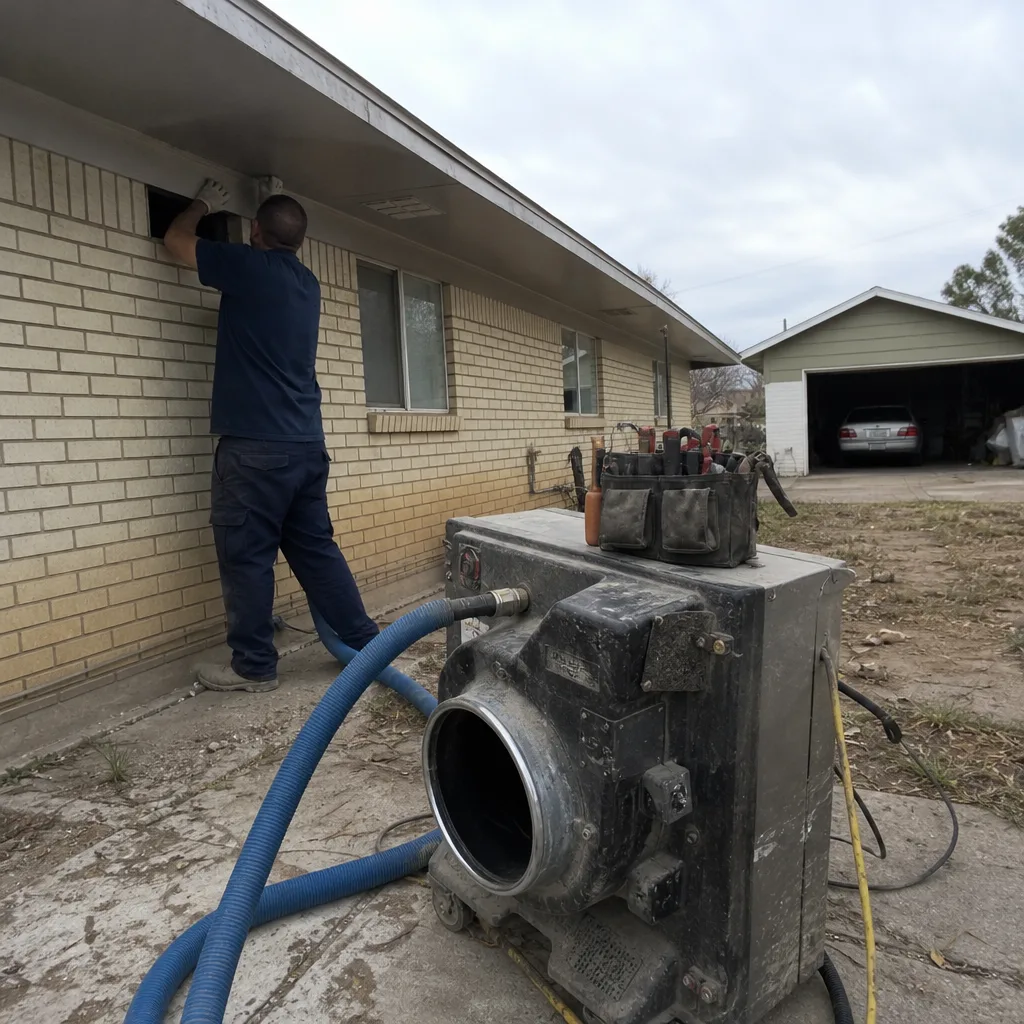 Before
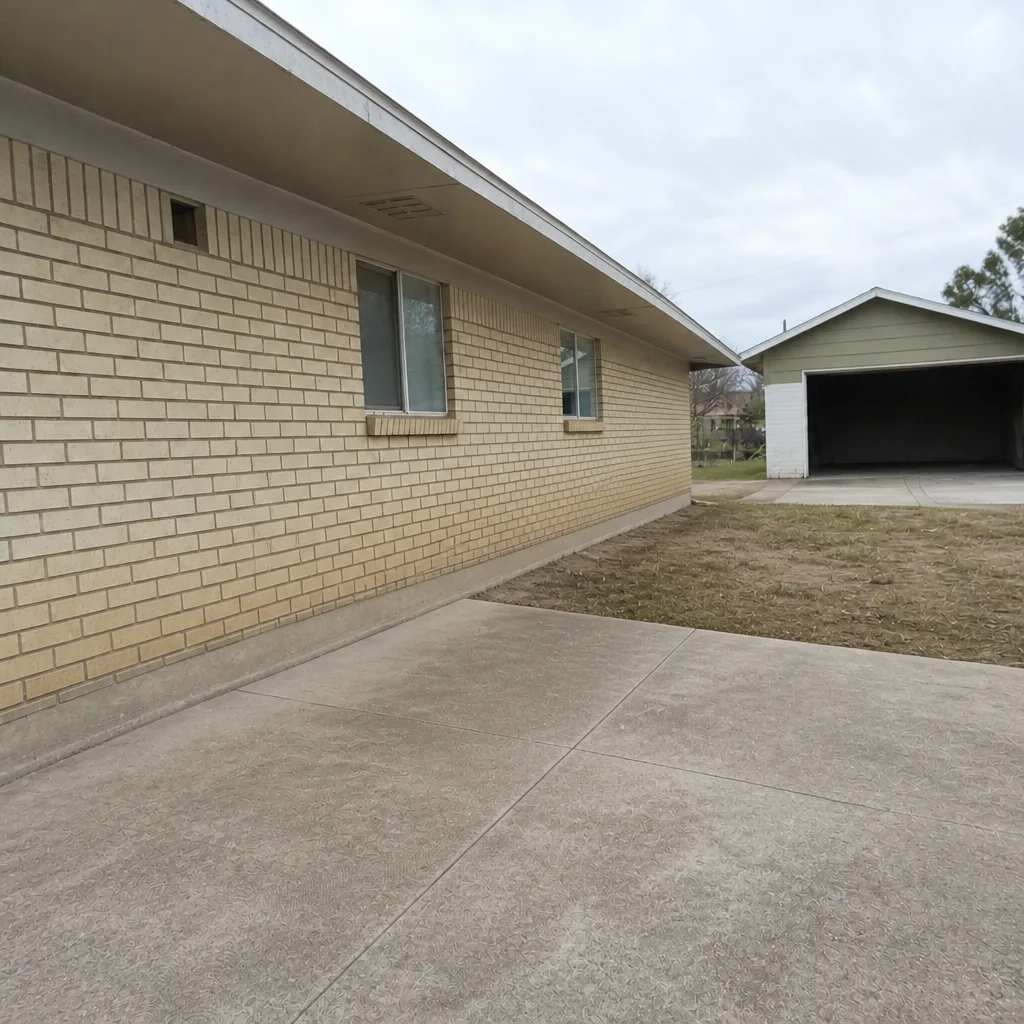 After
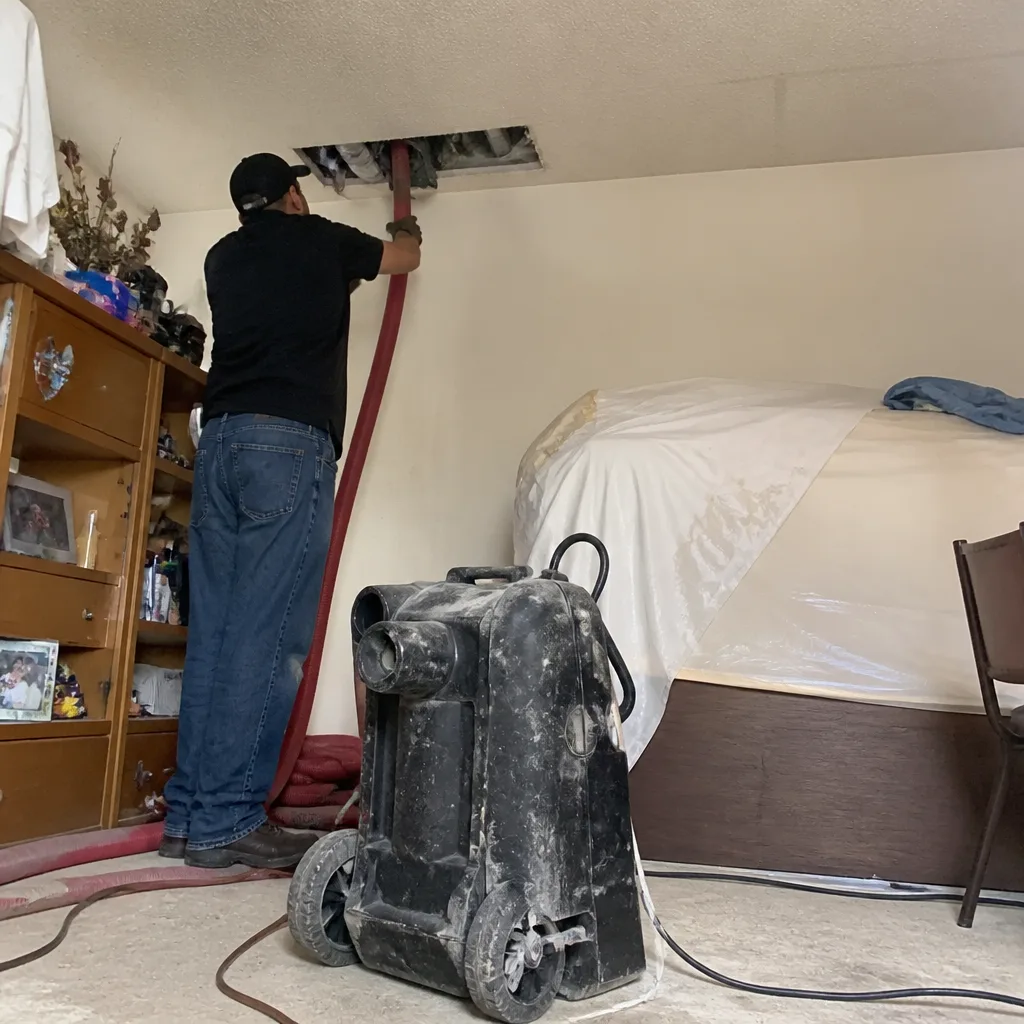 Before
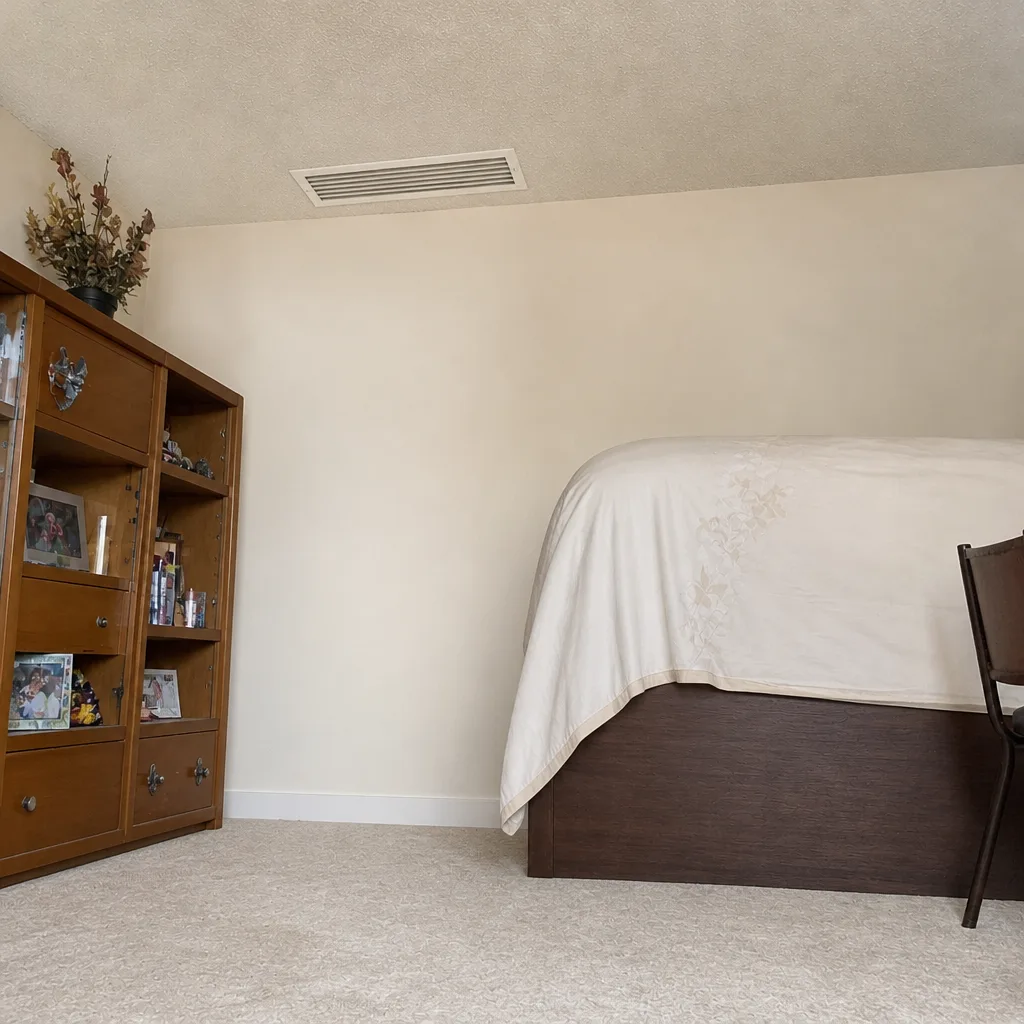 After
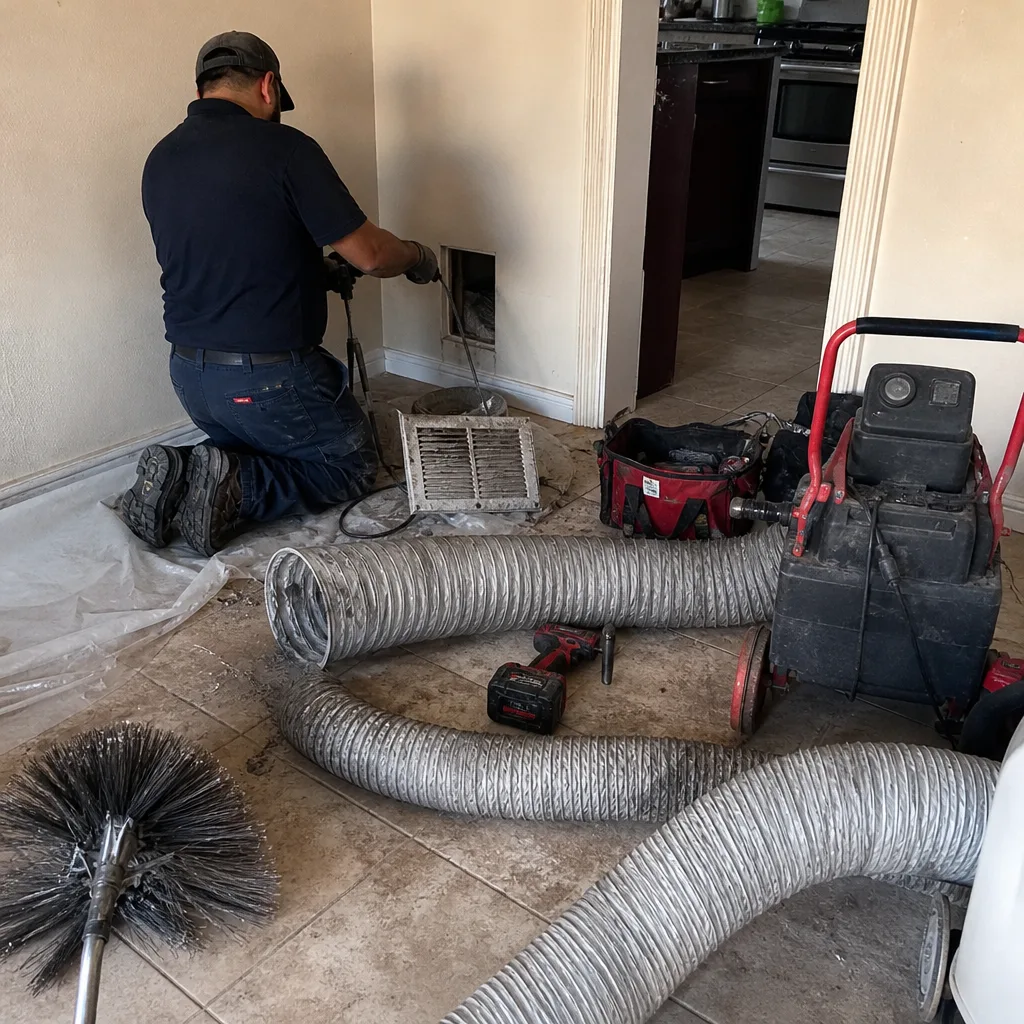 Before
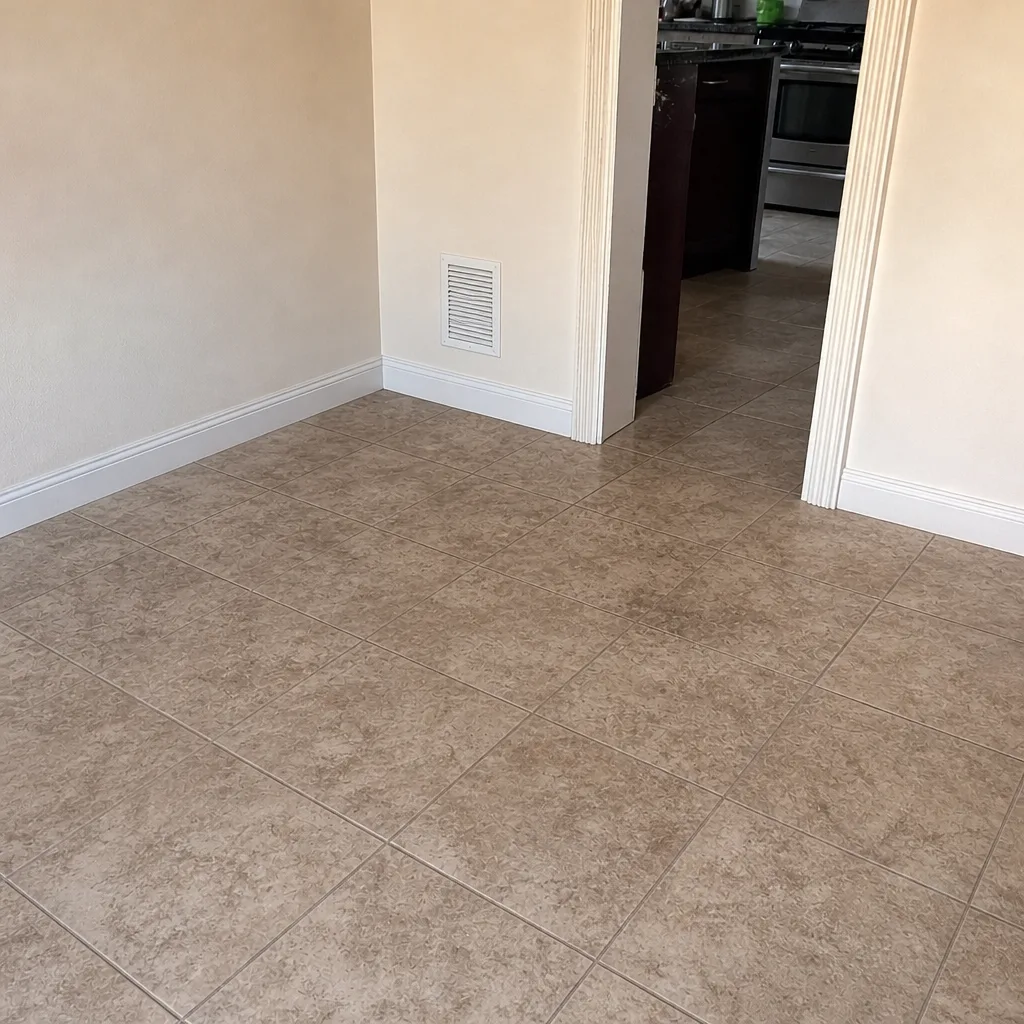 After
When to Call a Professional
Some signs point clearly to a professional inspection. If you see visible dust around supply and return grilles that returns quickly after you wipe it, if a musty odor comes through the vents when the system kicks on, or if family members notice allergy-type symptoms that get worse indoors, it’s time to have the ductwork looked at. A dryer that takes longer than it used to, or feels hot to the touch at the back, is a separate fire-safety signal worth a professional call. Visible debris around the register boots, or a system that seems to run longer than it should, are also reasons to book an inspection. Duct Cleaning El Paso offers free estimates in El Paso. Call (866) 942-6158, and we’ll evaluate the system and quote per job based on the inspection.
Frequently Asked Questions
Pricing is per job, set by a written estimate after a pre-cleaning inspection that accounts for your register and return count, system layout, and condition. There’s no honest way to give a single flat number for every home, and any contractor who quotes one over the phone without seeing the system is guessing. What matters more than the number itself is what’s included: rotary-brush agitation, negative-pressure extraction, HEPA-filtered exhaust, and before-and-after photos of your own ducts. Call (866) 942-6158 for a free estimate. We answer 24/7. Fast dispatch from 7am to 7pm, Sunday through Friday.
Cheap quotes almost always reflect cheaper method. A crew running a shop-vac or a low-powered blower without a rotary brush can’t remove adhered debris from the duct walls. It disturbs the dust and redistributes it, so you pay a small price for a service you didn’t actually receive. The low quote is a customer-acquisition tool, not a discount. The way to protect yourself is to ask the three equipment questions and require before-and-after documentation. Call (866) 942-6158 for an honest quote based on your system.
Ask for before-and-after photos of your own ductwork, taken before cleaning starts and after it’s finished, plus a note of any damage or disconnected joints the inspection found. A contractor confident in the method will provide this as standard practice. If they won’t, you’re being asked to trust a verbal sign-off you can’t verify. Call (866) 942-6158 to book a job that comes with documented proof of work.
There’s no universal interval, but El Paso’s desert dust and windy spring months mean ducts accumulate debris faster than in many other parts of the country. A practical approach is to picture the condition each time you change the filter and call if you see buildup at the registers, notice odors, or symptoms worsen indoors. Homes in dustier areas near the foothills may need it more often than homes closer to the valley. Call (866) 942-6158 for a free inspection and a recommendation based on what the system actually looks like.
Yes, in a way that matters. The Chihuahuan Desert dust load is higher, and debris accumulates on duct walls faster. That makes correct extraction equipment more important here, not less. A method that works marginally in a humid climate may leave a visible dust layer behind in an El Paso home. And the market has generalist HVAC companies offering duct cleaning as a loss-leader, so vetting by equipment and process is more critical here than in markets with fewer cheap quotes. Call (866) 942-6158 and we’ll show you the equipment before we book.
A specialist runs professional-grade rotary-brush and negative-pressure equipment on every job, performs a pre-cleaning inspection, provides before-and-after documentation, and can repair damaged ductwork as a standalone service. A generalist HVAC company treats duct cleaning as an add-on, often with undersized equipment, and typically won’t repair what it finds. The difference shows up in the answers to the three equipment questions. Call (866) 942-6158 to speak with a specialist, not a generalist.
The Bottom Line
The El Paso duct cleaning market rewards homeowners who vet by method, not by price or reviews. Ask the three equipment questions every time: rotary-brush system, negative-pressure airflow, and HEPA-filtered exhaust with on-site air filtration. Confirm a pre-cleaning inspection comes first and that before-and-after photos are standard. Recognize the market’s specific red flags, including vague sanitizing upsells and flat-rate quotes with no vent count. Treat NADCA membership as one useful signal, not a substitute for local experience. And remember that a contractor who repairs ductwork as a standalone service is a better bet than a cleaning-only generalist when the inspection turns up damage. Run this process on two or three contractors and the right choice becomes clear.
Duct Cleaning El Paso uses purpose-built extraction equipment on every job, and our technicians have up to 10 years of experience working with duct systems in this market. Call (866) 942-6158 for a free estimate. We answer 24/7. Fast dispatch from 7am to 7pm, Sunday through Friday. Get the method you’re paying for, documented from start to finish.
Written by the team at Duct Cleaning El Paso.