
Last updated November 15, 2026
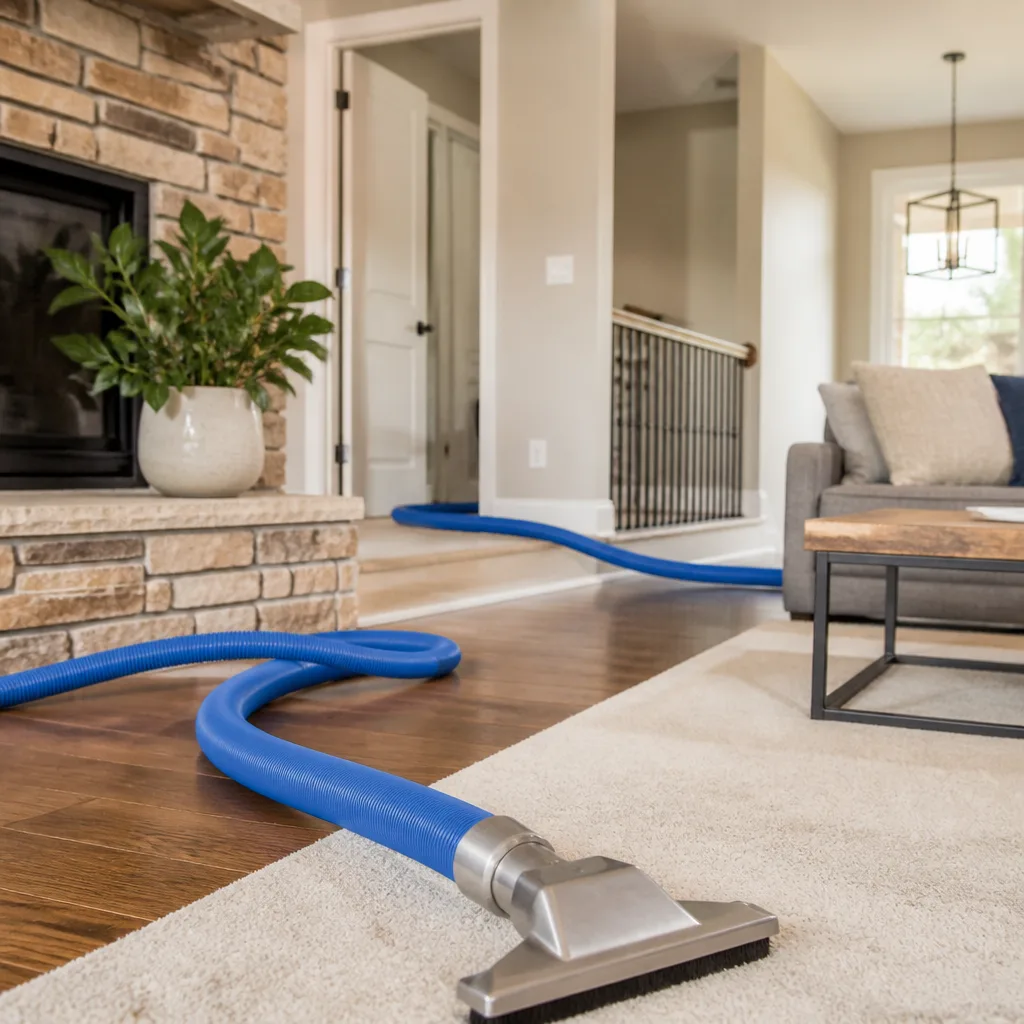 Whole-home duct cleaning
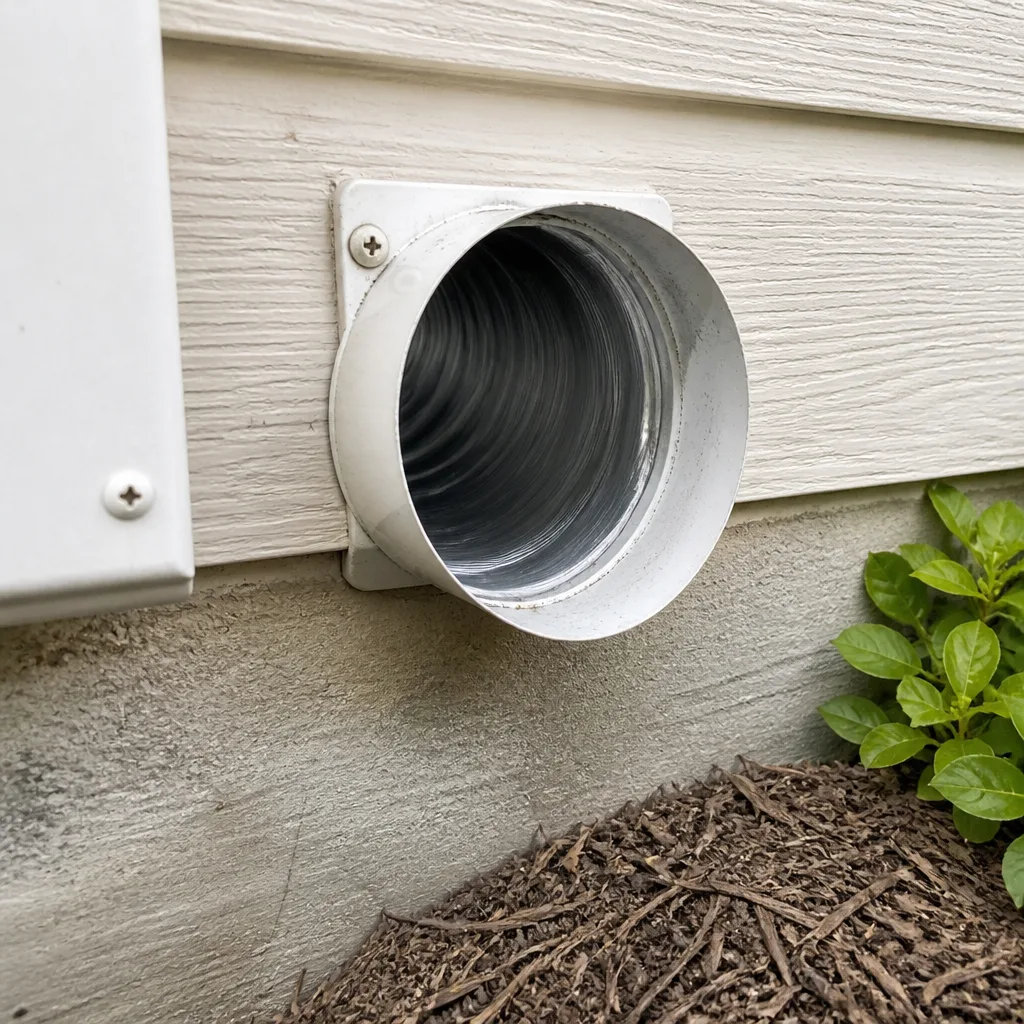 Dryer vent cleaning
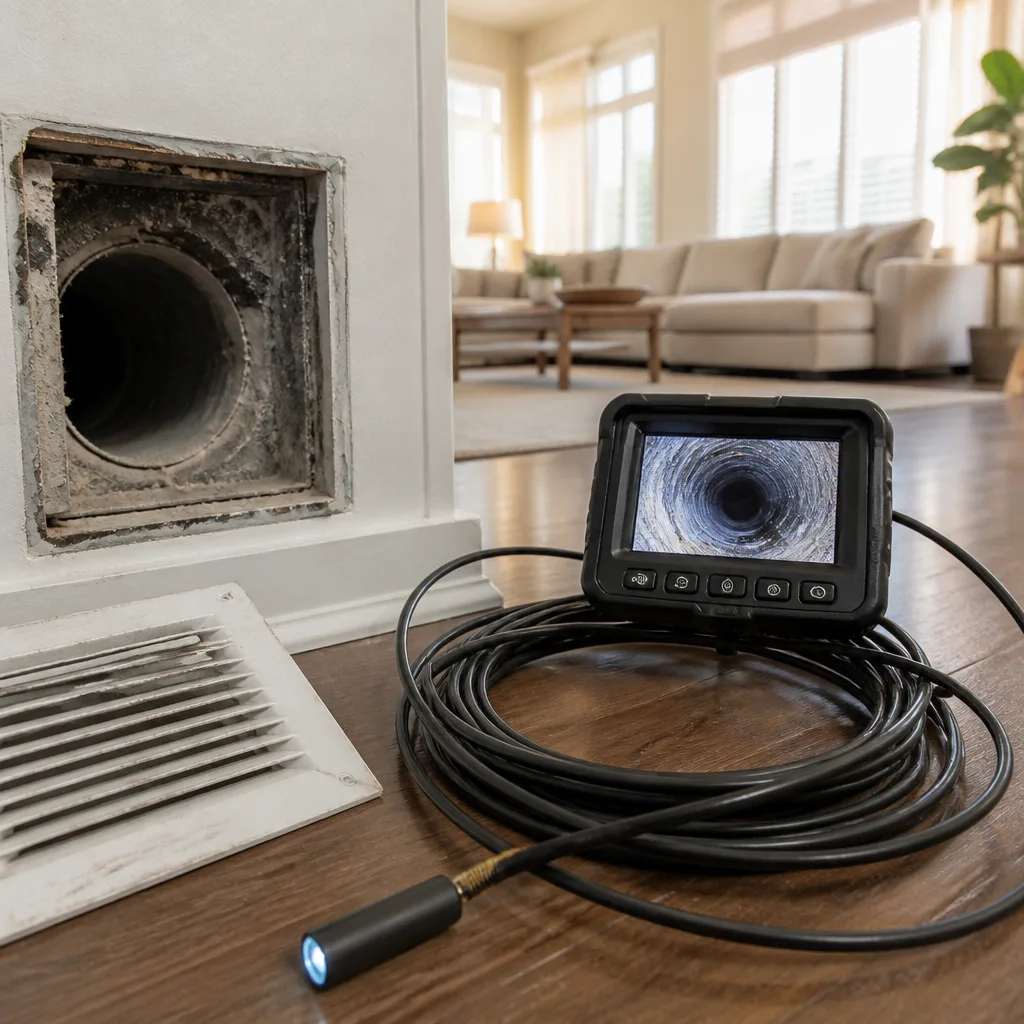 Camera inspection
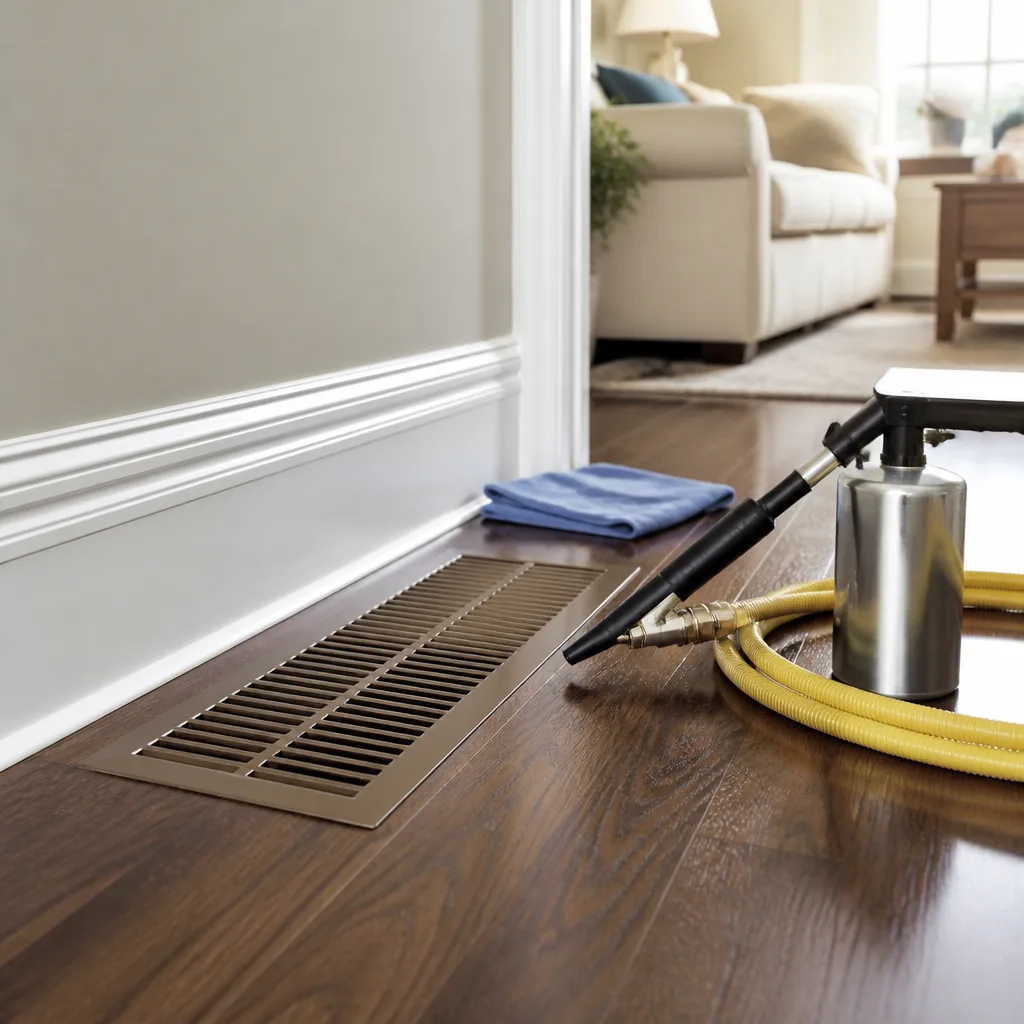 Sanitizing & deodorizing
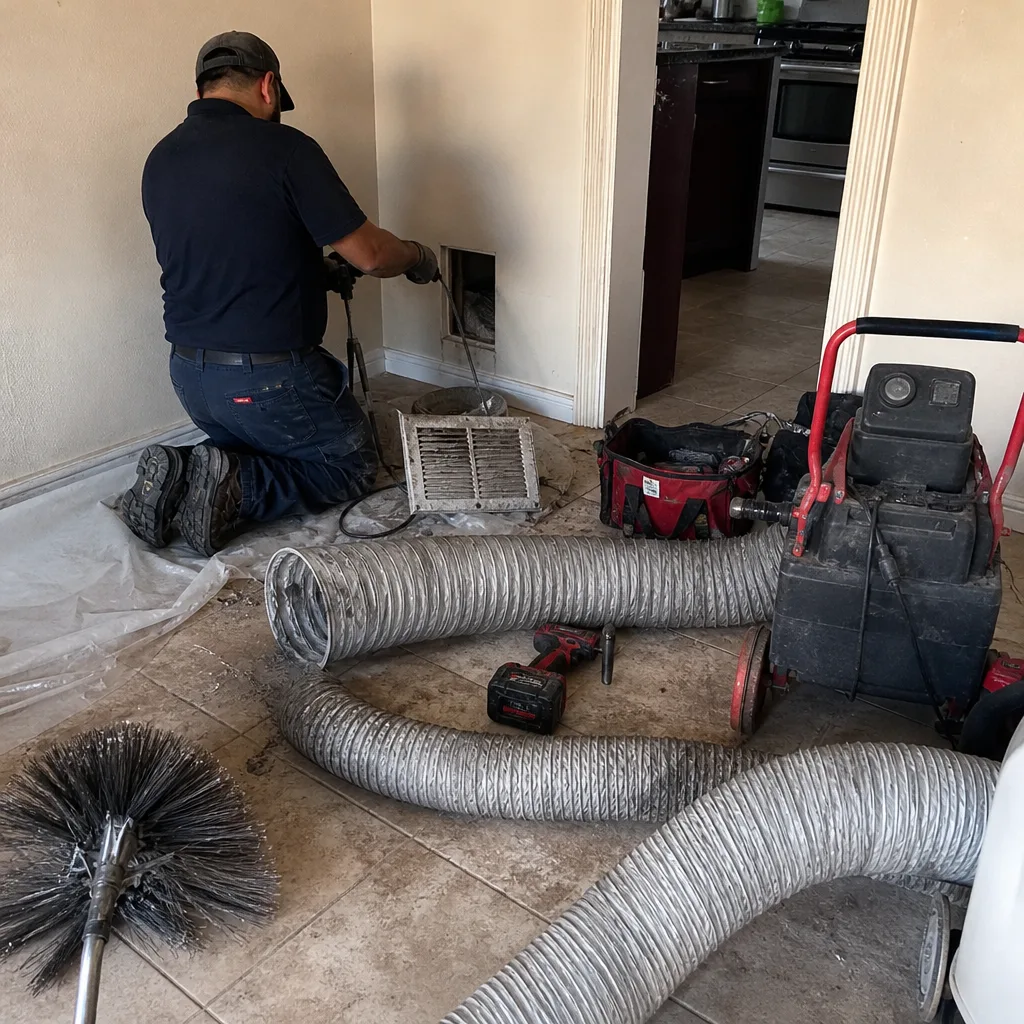
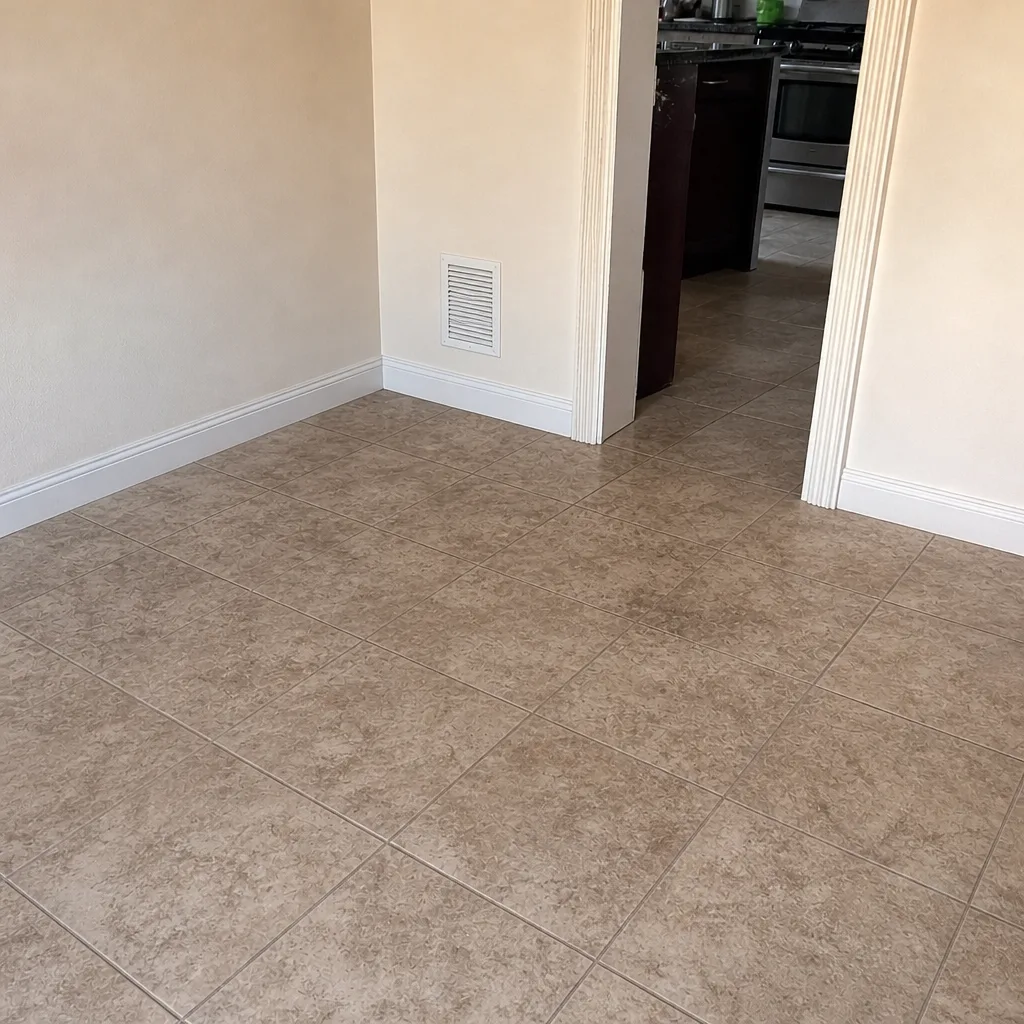
Whole-system duct and dryer vent check with before-and-after photos - you see exactly what came out of your vents
That "$99 whole-house special" is a bait ad - the real number appears once they are in your hallway, or the "clean" is a shop-vac at the register. We photograph the inside of your ducts before and after instead.
DIY vs Professional Air Duct Cleaning: The El Paso Homeowner’s Decision Guide
Most advice about duct cleaning splits into two camps: “just vacuum your vents” or “only a truck-mounted machine can help you.” Both miss the real question. A homeowner with a shop vac and a brush kit can genuinely improve register-level dust in an El Paso house, and that effort isn’t wasted. But caliche dust doesn’t behave like the dust most online guides describe. It’s fine, alkaline, and it travels deep into horizontal runs where no consumer tool can follow. This guide treats you as capable of deciding for yourself. We’ll show you what DIY actually accomplishes, where the physics stops cooperating, and how to tell the difference before you spend a weekend on a job your equipment can’t finish.
Quick Answer
DIY duct cleaning is worth doing at the register and filter level, and it’s the right call for routine maintenance. It is not sufficient for the contamination most El Paso homes accumulate past the first few feet of ductwork, because consumer tools push debris rather than extract it, and the fine desert dust that settles in horizontal flex runs needs negative-pressure equipment to remove. If your ducts haven’t been cleaned in years, if you see visible buildup past the grille, or if anyone in the house has persistent allergy symptoms, professional extraction is the honest answer. For everything short of that, your own tools can carry the load.
Styles & brands we work with
- Whole-home duct cleaning
- Dryer vent cleaning
- Camera inspection
- Sanitizing & deodorizing
Table of Contents
- What DIY Duct Cleaning Actually Accomplishes
- The Physics of Why Vacuuming a Vent Isn’t Duct Cleaning
- Why El Paso Dust Behaves Differently Than the Guides Assume
- When DIY Is Genuinely Enough in an El Paso Home
- When Professional Equipment Is the Only Tool That Matches the Job
- The Real Risk of an Incomplete DIY Cleaning
- How to Use DIY Between Professional Cleanings
- How to Judge a Professional Duct Cleaning Before You Book
What DIY Duct Cleaning Actually Accomplishes
Start with credit where it’s due. A homeowner with a shop vac, a vent brush, and a few hours can do real work on an HVAC system, and some of it matters more than the ducts themselves. Register cleaning removes the dust cake that builds on supply grilles and return covers, and that alone changes how a room feels. Filter work is even higher leverage: a clogged filter starves airflow, raises energy use, and lets dust bypass into the coil. Replacing it on schedule is the single most useful thing most homeowners do for indoor air, and it costs a few dollars.
Here’s what consumer tools handle well in an El Paso home:
- Supply and return register covers: removing them, washing them in a tub, and drying them before reinstalling clears visible buildup that recirculates every time the system runs.
- The first few feet of accessible duct: straight runs you can reach with a brush or vacuum hose benefit from light cleaning, especially near the register boot.
- Filter replacement and fit: a correctly sized filter seated with no gaps prevents dust from slipping past the frame into the coil and blower.
- Return air pathway: the return grille and the plenum behind it collect a surprising amount of lint and dust and are usually reachable.
- Dryer vent surface lint: clearing the lint trap, the flexible transition behind the dryer, and the exterior hood keeps airflow moving and reduces fire risk.
What DIY does not touch is the interior surface of the duct system past the first accessible section, the branch runs feeding individual rooms, and the plenum and coil area where the heaviest accumulation sits. Those are the zones that determine whether your ducts are actually clean. Register cleaning is maintenance. Duct cleaning is a different job, and knowing which one you’re doing keeps expectations honest.
The Physics of Why Vacuuming a Vent Isn’t Duct Cleaning
This is where the conversation usually turns into a sales pitch. It doesn’t have to. The reason a shop vac can’t clean a duct system is simple mechanics, and once you understand it you can evaluate any quote you get, including ours.
A consumer vacuum works by pulling air through a hose with a small motor. The suction is real, but it’s local. Put the hose at a register and you pull air from a few inches away. Dust bonded to the duct wall eight feet down the run feels almost nothing. A brush attached to a drill or a hand rod can reach farther, but it dislodges dust without capturing it. The dust goes airborne inside the duct, and the next time the blower runs, that cloud gets distributed through every room in the house. You’ve moved the problem rather than solved it.
Professional cleaning reverses the setup. Negative-pressure equipment, like the Nikro units we run, pulls the entire duct system under vacuum from a single connection point, usually at the main trunk. While the system is under negative pressure, a rotary brush, like the Rotobrush system, is fed through each branch run. The brush physically scrubs the duct wall, and the vacuum captures the dislodged material at the source before it can escape into the living space. Abatement Technologies air-filtration units run on-site during the job to protect indoor air quality while the work is happening.
The difference isn’t power. It’s containment. Consumer tools push or disturb; professional systems dislodge and extract. That mechanical distinction is why a $60 brush kit and a shop vac can make your registers look clean while the duct behind them stays coated.
Why El Paso Dust Behaves Differently Than the Guides Assume
Most duct cleaning advice online is written for humid climates with organic dust, pet dander, and mold concerns. El Paso isn’t that. The dust here is mineral-heavy and fine, the product of caliche soil, wind-blown desert particulate, and long dry stretches. That changes the accumulation pattern in ways that matter for anyone deciding between DIY and professional work.
Fine mineral dust doesn’t clump the way humid-climate dust does. It stays powdery, which means it travels farther on airflow before settling. It also packs into horizontal flex duct sections 8 to 12 feet from the register opening, a zone that no consumer tool reaches because the run bends or drops out of sight. In homes on the west side and in the northeast, where wind-driven dust is a seasonal reality, that packing happens faster than most general guides suggest. Homes near the valley floors see more settled particulate, while homes at higher elevation on the east side deal with more wind-driven intrusion through the return.
There’s a second factor: our cooling season is long. Systems here run hard for months, which means duct surfaces see more airflow hours than a system in a cooler climate. More airflow means more dust deposited against the duct wall, and it means any debris you dislodge without capturing gets redistributed more aggressively during the next cooling cycle. That’s why incomplete DIY cleaning in a desert home can actually make indoor air worse in the short term before it gets better.
None of this means your ducts are a crisis. It means the local dust profile is the reason a general “vacuum your vents” approach falls short here in a way it might not elsewhere. For a deeper look at how we approach the work in this market, see our air duct cleaning page.
When DIY Is Genuinely Enough in an El Paso Home
DIY is the right answer more often than the industry likes to admit. If your home fits the scenarios below, save your money and handle it yourself. You’ll do a real service to your system and your air quality.
- You’ve had a professional cleaning within the last few years. If ducts were properly cleaned recently and you’ve maintained filters since, the buildup since then is light. Register cleaning and filter changes keep it that way.
- You’re seeing dust only at the grilles. Visible dust on the register cover with clean-looking duct behind it is a surface problem. That’s a homeowner job.
- You just want to handle filter optimization. Choosing the right filter, seating it properly, and changing it on schedule is the highest-value air quality work most homes need, and it doesn’t require a service call.
- You’re clearing routine dryer lint. The trap, the transition hose, and the exterior hood are accessible maintenance items. Cleaning them regularly is genuinely useful fire prevention.
- No one in the house has unresolved respiratory symptoms. If occupants aren’t reporting increased allergies, musty odors, or dust that returns within days of cleaning, there’s no urgent case for professional extraction.
- The system is newer with clean installation. A recently installed system that’s been maintained from day one rarely has the deep accumulation that justifies professional work.
If you recognize your home in that list, do the work yourself and put the savings toward a high-quality filter. Honeywell and Aprilaire both make filtration products worth understanding, and we’re happy to talk through what fits your system if you call.
When Professional Equipment Is the Only Tool That Matches the Job
On the other side of the line, some conditions simply exceed what consumer tools can address. These aren’t marketing thresholds; they’re mechanical ones.
- Visible buildup past the register. If you remove a grille and can see a coating on the duct wall more than a foot or two inside, the accumulation extends beyond your reach. That’s a rotary-brush job.
- Dust returns within days of cleaning. If registers look dirty again almost immediately after you clean them, the source is upstream in the duct system, not on the grille.
- Persistent musty or stale odors when the system runs. Odor that comes and goes with the blower points to material settled in the ducts or plenum that needs extraction.
- Allergy symptoms that track with HVAC use. If symptoms worsen when the system runs and ease when it doesn’t, the airstream is the likely vector.
- Dryer taking noticeably longer to dry loads. Lint packed into the full vent run restricts airflow and is a fire-safety concern, not just an inconvenience. Consumer brushes often can’t clear the full run, especially where it bends.
- Recent renovation or construction dust. Drywall dust and construction debris settle deep in the system and need professional extraction, not a shop vac at the register.
- A home you’ve just purchased with unknown service history. When you don’t know whether the ducts were ever cleaned, a professional assessment sets a baseline you can maintain from.
We repair what we find, too. If cleaning reveals disconnected or damaged duct sections, that’s a separate job most cleaning-only companies hand off. We offer duct repair as a standalone service.
The Real Risk of an Incomplete DIY Cleaning
The risk of a partial DIY cleaning isn’t injury or property damage. It’s redistribution. Here’s the mechanism, and it’s worth understanding because it explains a lot of frustrating homeowner experience.
When you brush or vacuum inside a duct, you loosen settled particulate. Some of it gets captured by your vacuum. The rest goes airborne inside the duct system, where it sits until the blower runs. Then it travels. The fine mineral dust that settles in El Paso ducts is light enough to stay suspended in airflow for a long time, which means it reaches rooms that weren’t anywhere near the vent you cleaned. Homeowners sometimes report that their air felt worse for a few days after a DIY attempt, and redistribution is usually why.
There’s a second-order risk that matters in desert homes specifically: disturbing dust without capturing it can push fine particulate into the evaporator coil and blower assembly, where it combines with moisture and creates a sticky film. That film reduces coil efficiency and is much harder to remove later than it would have been to prevent. A shop vac at the register doesn’t typically cause this, but aggressive brushing deep into a run without negative pressure can.
This is why professional setups invest in containment. Negative pressure holds the whole system under vacuum while brushes work, and filtration units run on-site to capture what’s dislodged. The goal is to remove debris, not relocate it. If you’re going to clean your own ducts, clean what you can capture and leave the rest for equipment designed to extract.
How to Use DIY Between Professional Cleanings
This is the practical payoff of understanding both sides. A homeowner who maintains diligently between professional visits extends the interval significantly and lowers the annual cost of clean ducts, without pretending to replace the equipment they don’t have.
- Change filters on schedule. Check monthly during heavy cooling season and replace when visibly loaded. In El Paso’s dusty stretches, that can be more often than the filter packaging suggests. A loaded filter is the fastest route to a dirty system.
- Clean register covers quarterly. Remove supply and return grilles, wash them, dry them fully, and reinstall. This is quick, and it removes the most visible dust source in the home.
- Vacuum the return grille and plenum annually. The return side collects the most lint. A vacuum with a brush attachment handles the accessible portion without disturbing anything downstream.
- Clear the dryer lint trap every cycle. Also check the flexible transition behind the dryer periodically and the exterior vent hood for lint buildup. These are the accessible parts of the vent run and the highest-value maintenance you can do.
- Watch for the signals that mean it’s time to call. Dust returning within days, odors with airflow, and longer dryer cycles are the three signals that DIY maintenance has reached its limit. When those appear, book a professional cleaning rather than repeating the DIY cycle.
- Keep a simple log. Note filter changes and register cleaning dates. When you eventually book a professional cleaning, that history helps the technician understand your system’s pattern.
That maintenance rhythm, combined with a professional cleaning on the interval your home actually needs, keeps air quality steady without overpaying for service you don’t require.
How to Judge a Professional Duct Cleaning Before You Book
If you’ve decided DIY isn’t enough, the next question is which company. The industry has a reputation problem, and the reason is bait-and-switch pricing: a low advertised figure that becomes a much larger invoice once the technician is on site. You can protect yourself by asking specific questions before booking.
- Ask what equipment they use. Rotary-brush systems and negative-pressure extraction are the standard for real cleaning. If the answer is “a big vacuum,” ask how they scrub the duct wall and how they contain dislodged debris.
- Ask whether the price is per system or per vent. Per-vent pricing invites upsells once work begins. A flat price per system, agreed before work starts, is the cleaner arrangement.
- Ask to see before-and-after photos of your own ducts. Photos of your system, not stock images, are the proof the work was done.
- Ask whether they handle repair. Cleaning often reveals disconnected or damaged duct sections. A company that can seal and restore those saves you a second call.
- Ask about containment during the job. Filtration units running on-site are a sign the company takes indoor air quality seriously during the work itself.
For anyone comparing options across the city, our El Paso page covers how we work and what to expect from a visit. If your dryer is the concern rather than your ducts, dryer vent cleaning is a separate service with its own safety stakes, and it’s worth treating as fire prevention rather than routine upkeep.
Common Mistakes to Avoid
- Brushing deep into a duct without negative pressure. Loosening dust you can’t capture sends it into the airstream and redistributes it through the house. Clean what you can extract; leave the rest for equipment that can.
- Treating register cleaning as duct cleaning. A clean grille says nothing about the duct behind it. Judge system condition on symptoms and service history, not on how good the supply covers look after a morning of cleaning.
- Ignoring the dryer vent because it’s out of sight. Lint-packed vents are a leading cause of residential fires, and the full run matters, not just the accessible stretch behind the dryer. Clearing the trap isn’t the same as clearing the vent.
- Using the wrong filter for the system. An overly restrictive filter can starve airflow and strain the blower. Match the filter to the system’s design, and seat it fully so dust can’t bypass the frame.
- Booking on price alone. The lowest quote often reflects the least equipment and the most upsell room. Ask about method, containment, and whether the price is per system.
- Assuming dust means the ducts need cleaning immediately. Dust on the grille is normal. Dust returning within days of cleaning is the signal that matters.
- Skipping a baseline on a new-to-you home. Unknown service history is worth resolving once with a professional assessment, so you can maintain from a known starting point.
See the difference
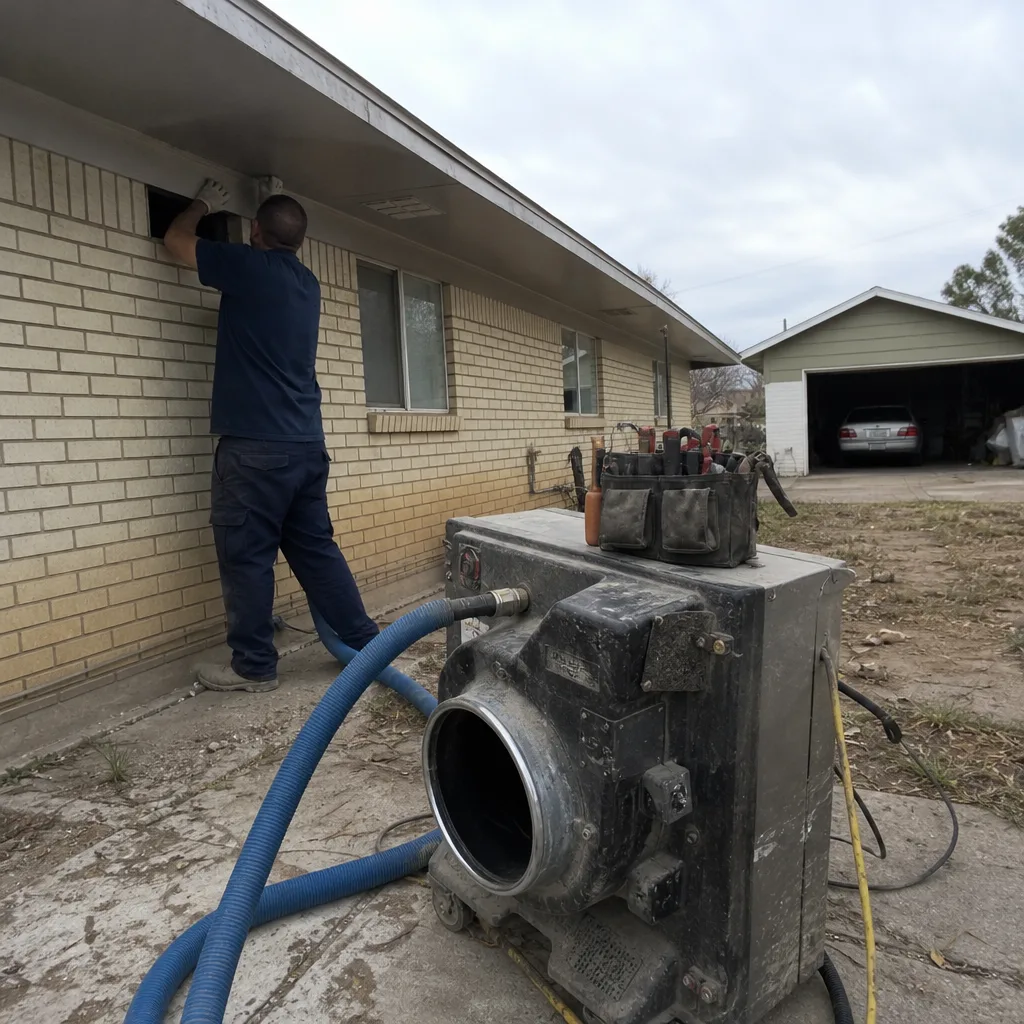 Before
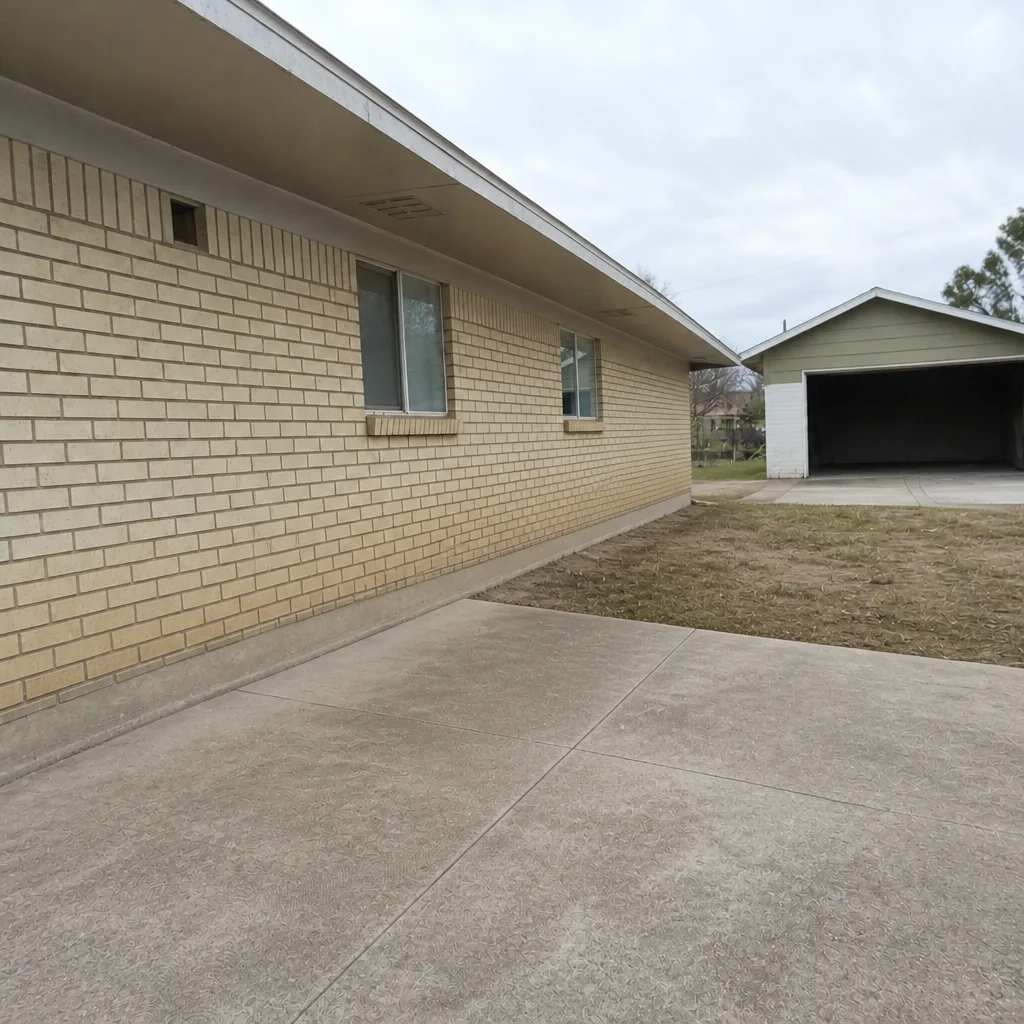 After
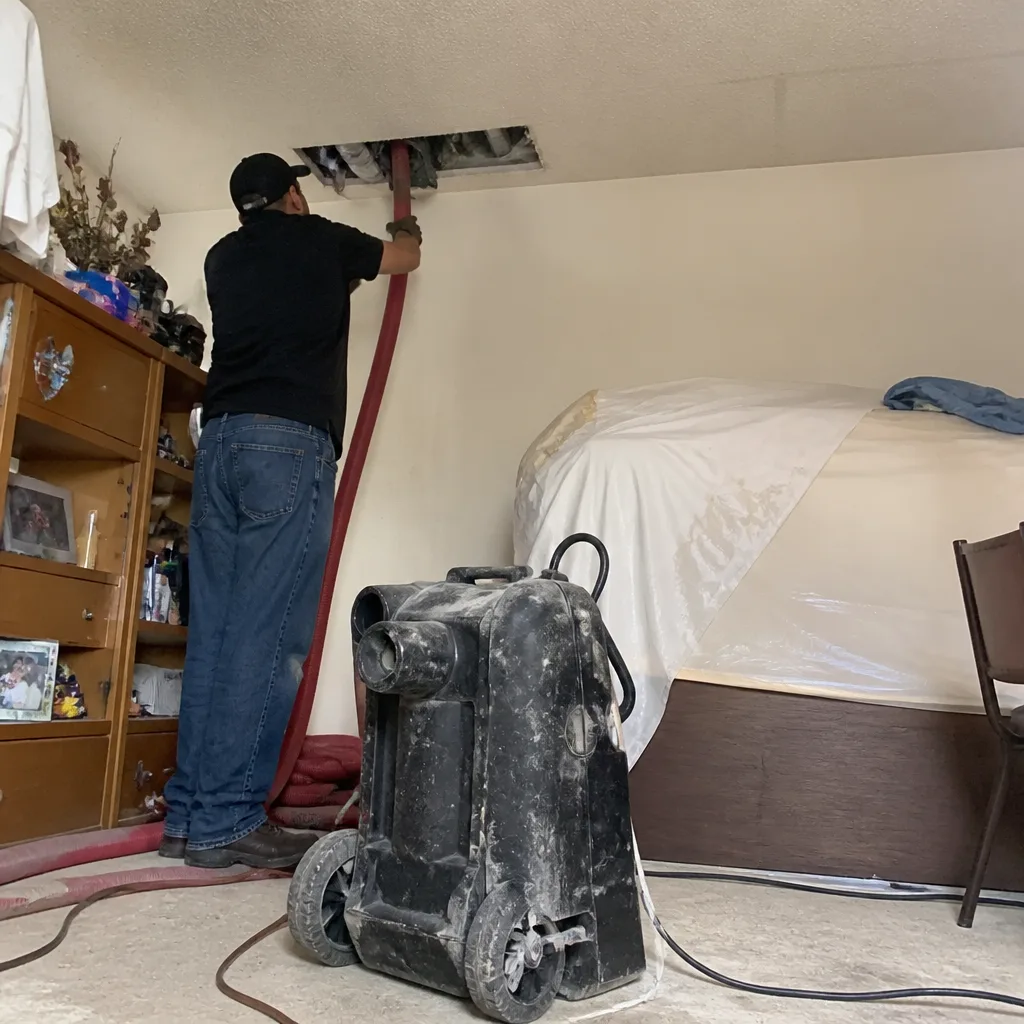 Before
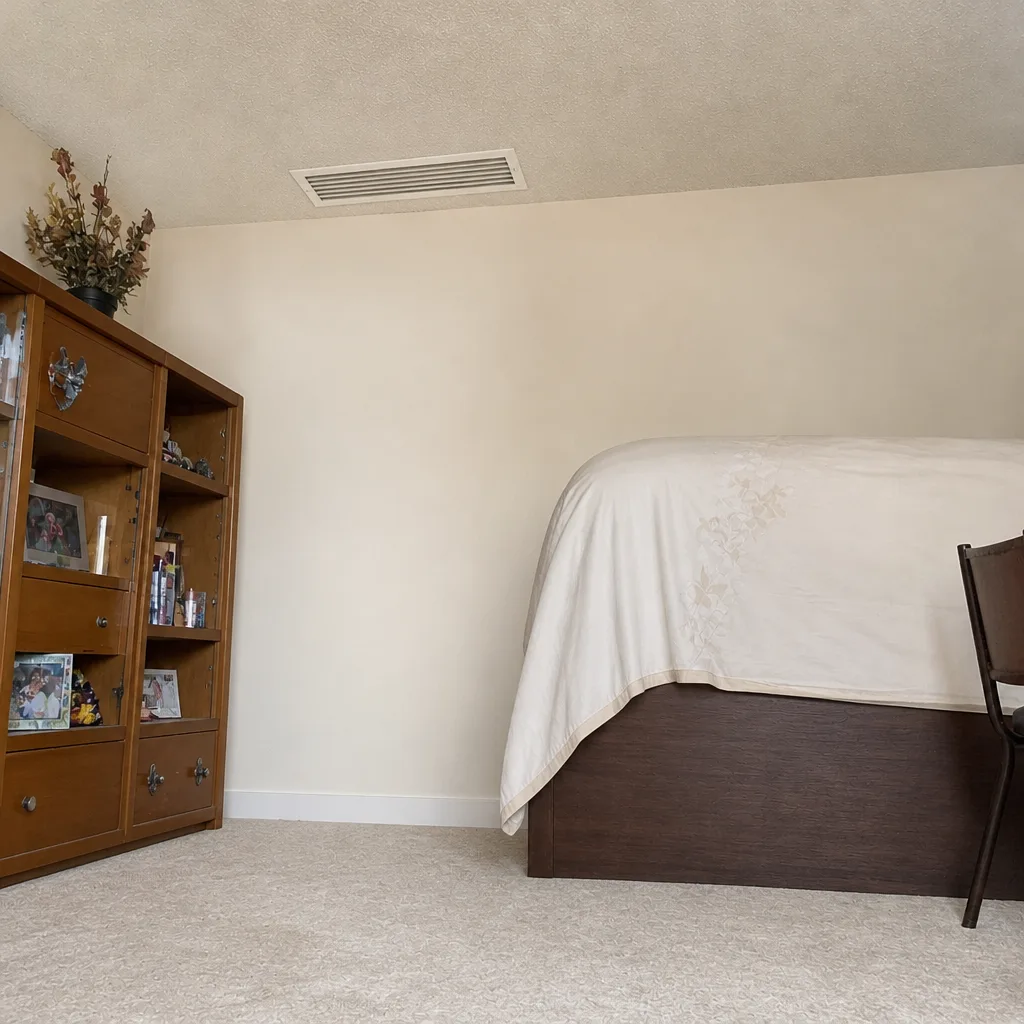 After
 Before
 After
When to Call a Professional
Call a professional when the accumulation extends past what you can reach and capture. If you’ve removed a grille and see coating on the duct wall, if dust returns within days of cleaning, if odors track with the blower running, if allergy symptoms worsen with HVAC use, or if your dryer is taking noticeably longer to dry loads, those are the scenarios where consumer tools stop being enough. Renovation dust and unknown service history in a newly purchased home are two more. Duct Cleaning El Paso offers free estimates in El Paso. Call (866) 942-6158. We answer 24/7. Fast dispatch from 7am to 7pm, Sunday through Friday. Our technicians have up to 10 years of experience, and we’ll tell you honestly if your system doesn’t need the work yet.
Frequently Asked Questions
You can clean register covers, the first accessible feet of duct, and the return grille with a shop vac, and that work is worth doing. You cannot clean the full duct system with one, because a shop vac doesn’t create the negative pressure needed to extract debris from branch runs or scrub the duct wall. For light maintenance, DIY is genuinely useful. For deep accumulation, it isn’t sufficient.
Three signals point to professional work: visible buildup on the duct wall past the register, dust returning within days of cleaning, and odors that appear when the system runs. If none of those apply, filter changes and register cleaning are likely all you need. If any apply, have a professional assess before booking, and ask for photos of your own ducts. Call (866) 942-6158 for a free estimate.
For ducts, the risk isn’t injury; it’s redistribution. Brushing or vacuuming deep inside a duct loosens dust you may not capture, which then travels through the system on the next blower cycle. The genuinely dangerous DIY work in this category is dryer vent cleaning, where lint-packed runs are a fire concern and the full vent needs clearing. Leave that to a professional if you can’t reach the full run safely.
Most El Paso homes don’t need annual cleaning. Homes with maintained filters and no symptoms often go several years between professional cleanings. Homes near wind-driven dust, homes with pets, and homes with recent renovation work tend to need it more often. Watch symptoms and service history rather than the calendar. Call (866) 942-6158 and we’ll help you judge the interval for your home.
A professional company should use a rotary-brush system to scrub duct walls and negative-pressure equipment to extract dislodged debris, plus filtration to protect indoor air during the job. We run Rotobrush and Nikro systems and use Abatement Technologies filtration on-site. If a company can’t explain how they scrub and how they contain, ask more questions before booking.
Yes. Regular filter changes, quarterly register cleaning, and annual return-grille vacuuming slow accumulation meaningfully, which stretches the time between professional cleanings and lowers your annual cost. The key is knowing when maintenance stops being enough and booking the professional visit at the right point. Call (866) 942-6158 for an honest read on your system.
The Bottom Line
DIY duct cleaning isn’t dangerous or pointless. It’s simply matched to a shallower layer of contamination than professional equipment reaches. Register cleaning, filter optimization, and routine dryer lint maintenance are worth doing yourself, and they extend the interval between professional cleanings. What consumer tools can’t do is scrub a duct wall and extract the debris at the same time, which is exactly what El Paso’s fine desert dust requires once it packs into branch runs. Judge your home on symptoms and history, not appearances. When the signals point to deep accumulation, book the equipment that matches the job. Meanwhile, for honest guidance and clean-air expertise across dryer vent cleaning across El Paso neighborhoods and ductwork, our team is a phone call away: (866) 942-6158. We answer 24/7. Fast dispatch from 7am to 7pm, Sunday through Friday. Free estimates, one flat price per system agreed before work starts, and before-and-after photos of your own ducts.
Written by the team at Duct Cleaning El Paso.