
Last updated November 15, 2026
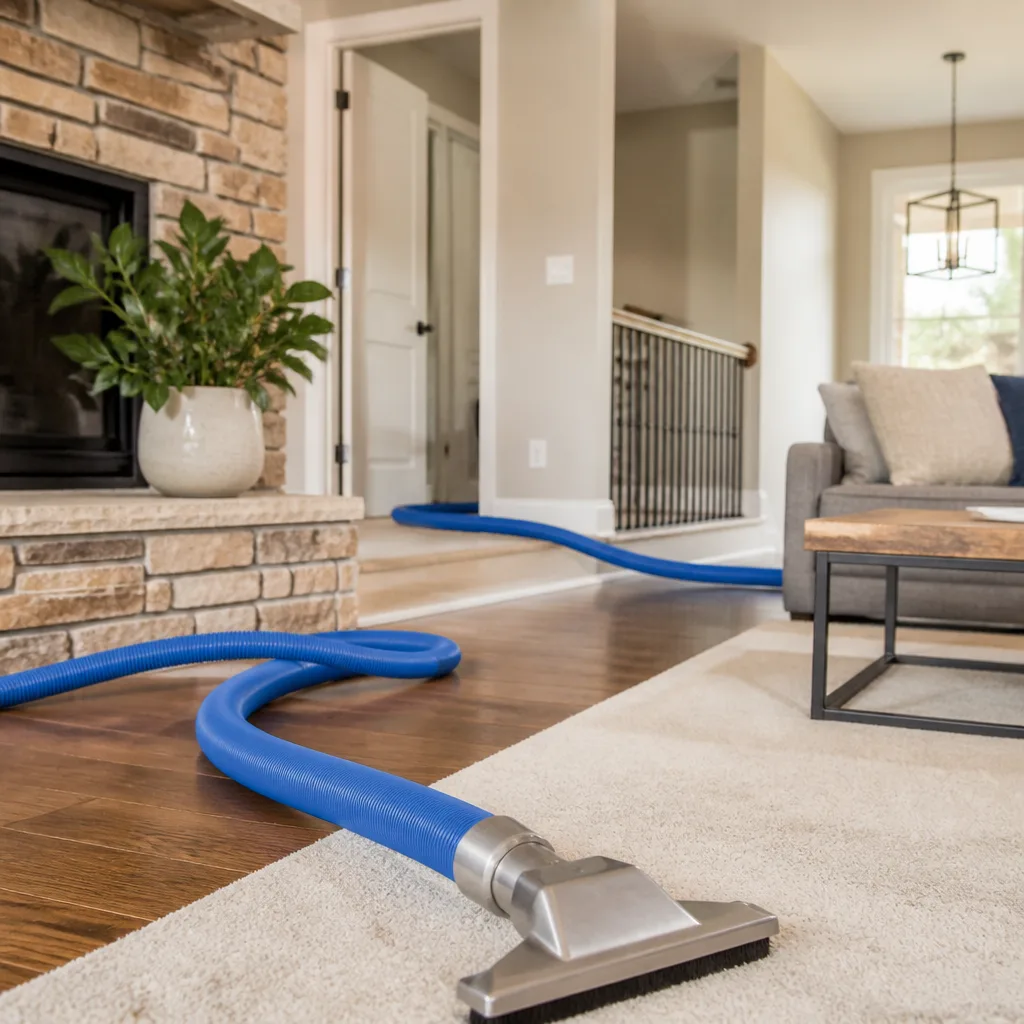 Whole-home duct cleaning
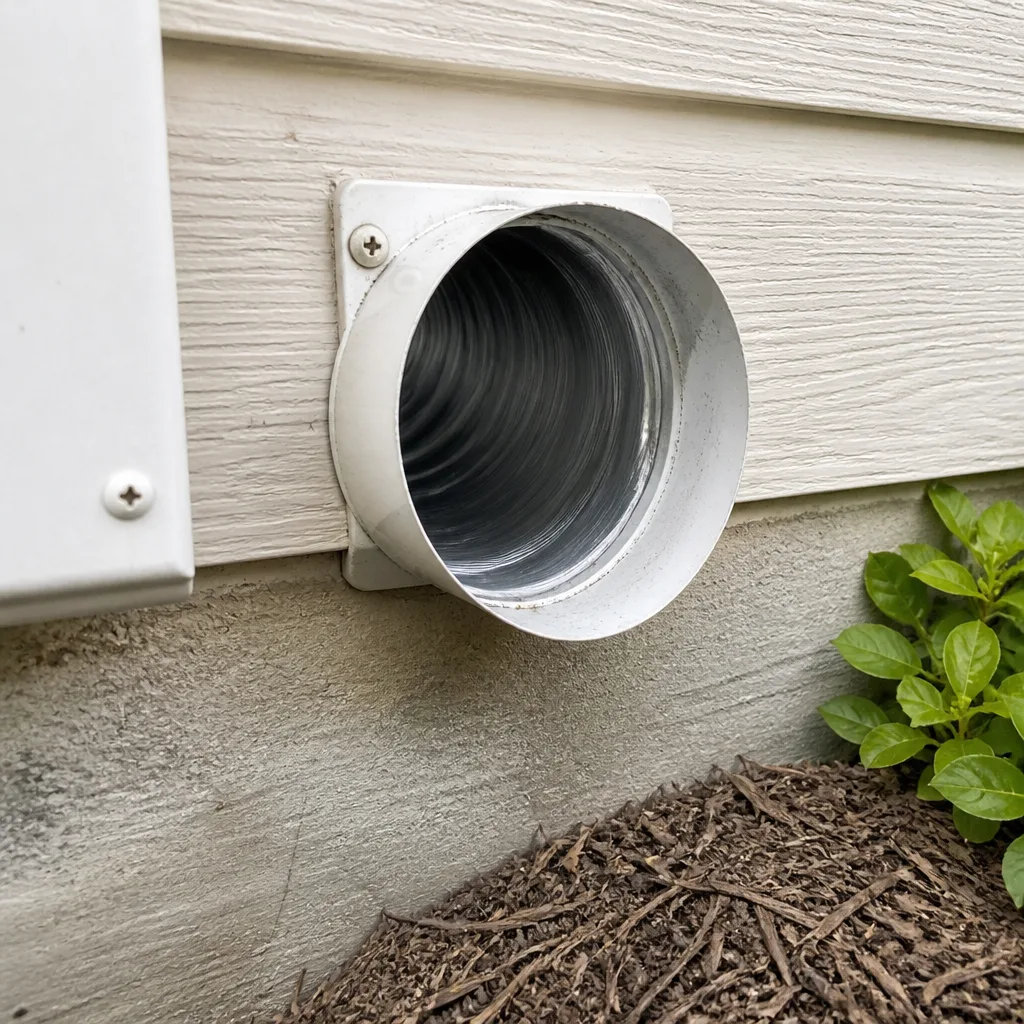 Dryer vent cleaning
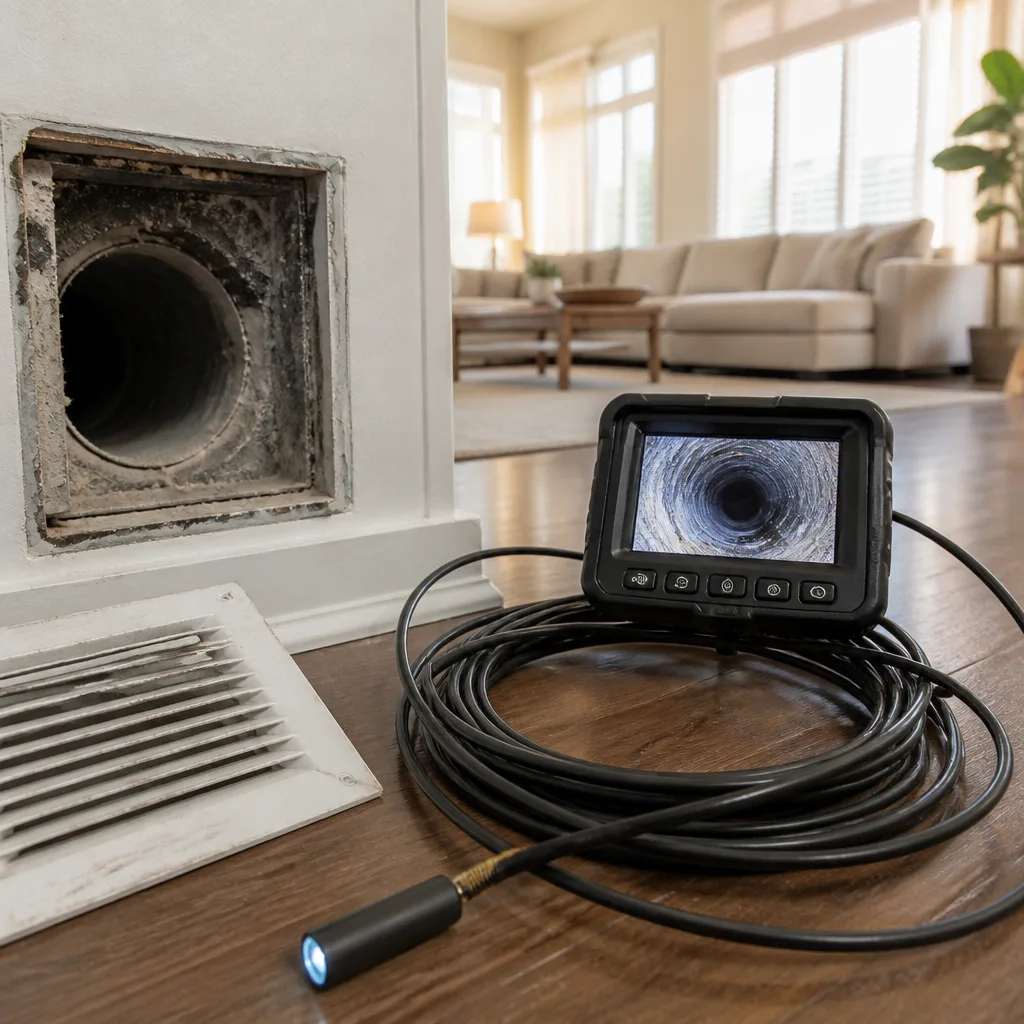 Camera inspection
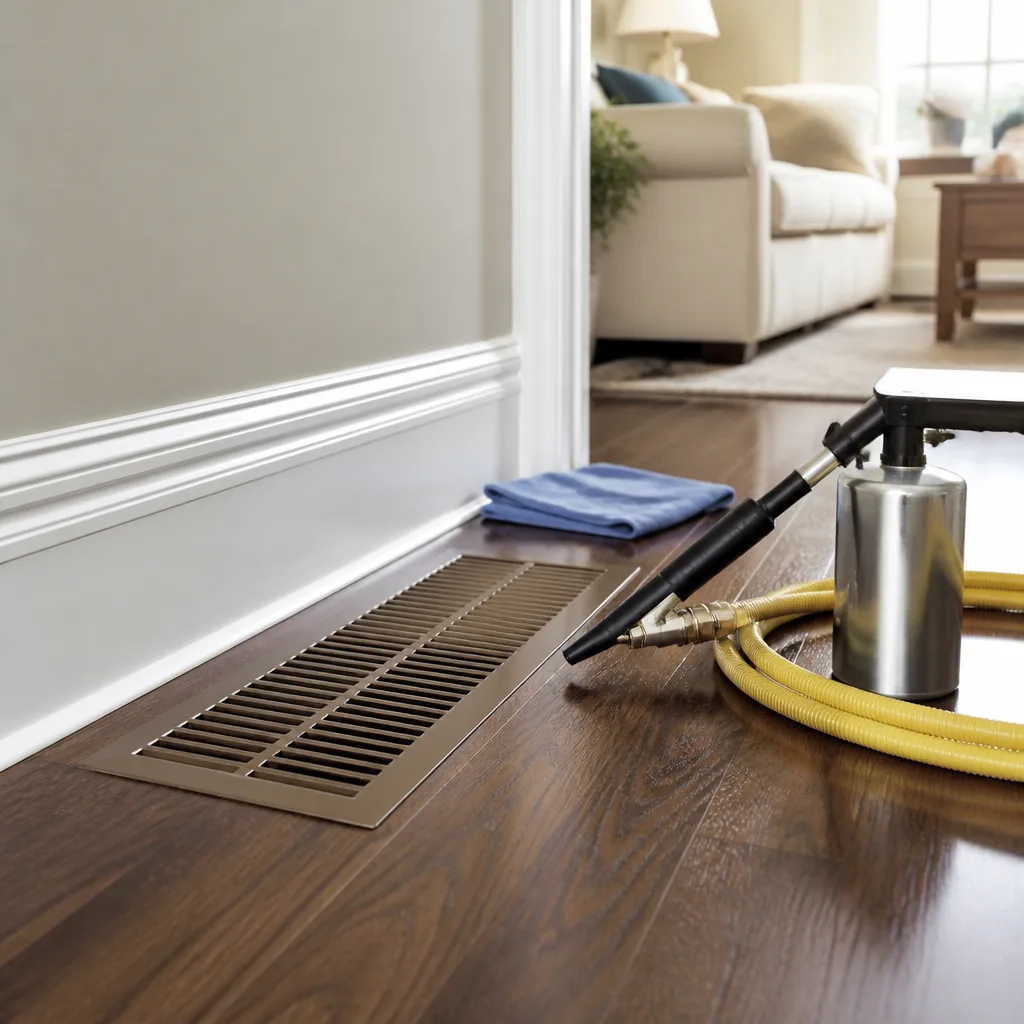 Sanitizing & deodorizing
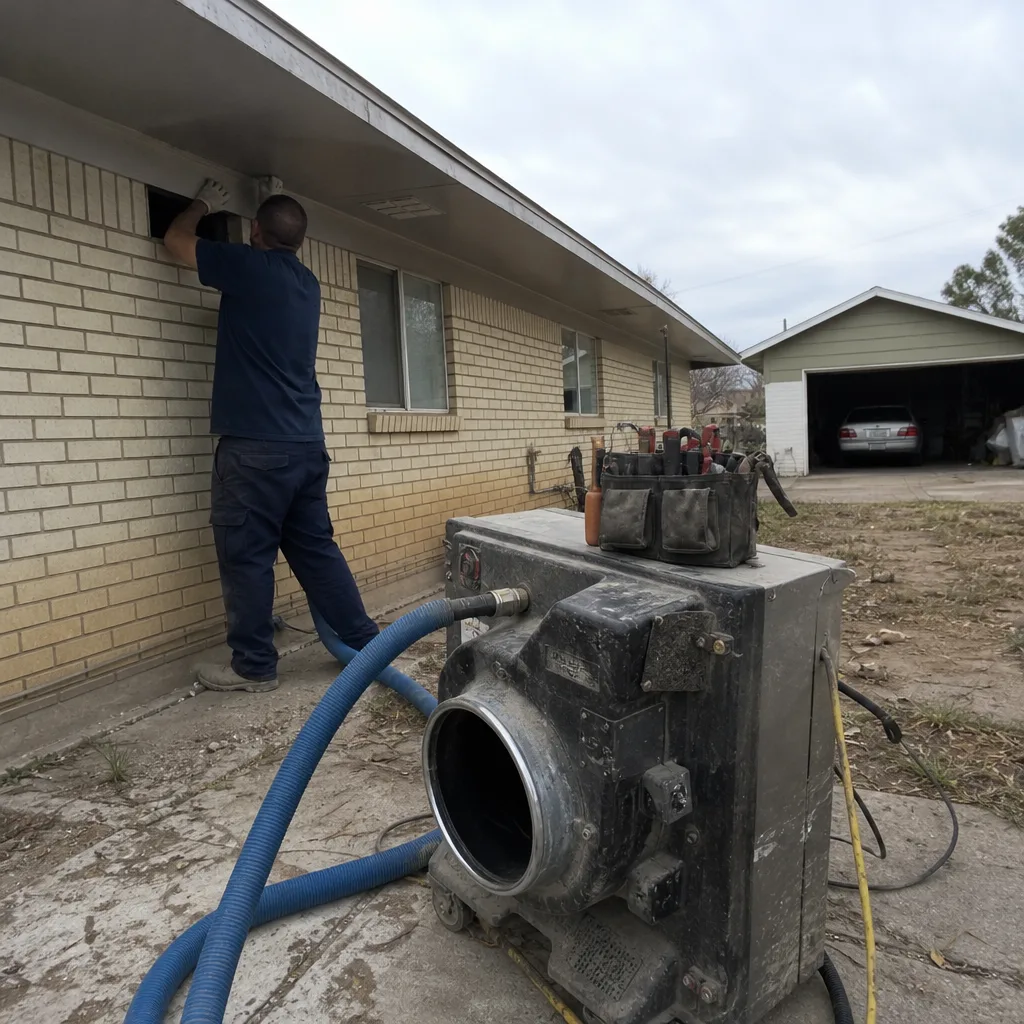
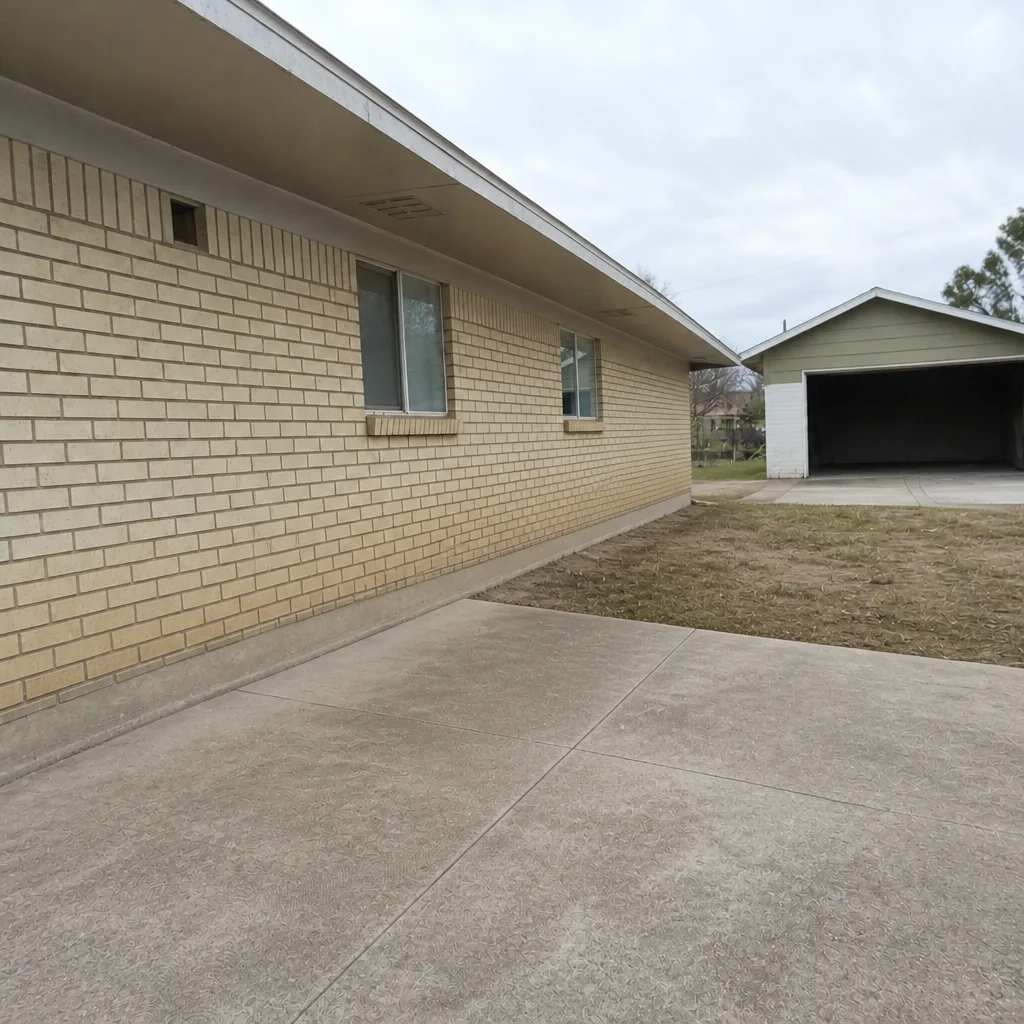
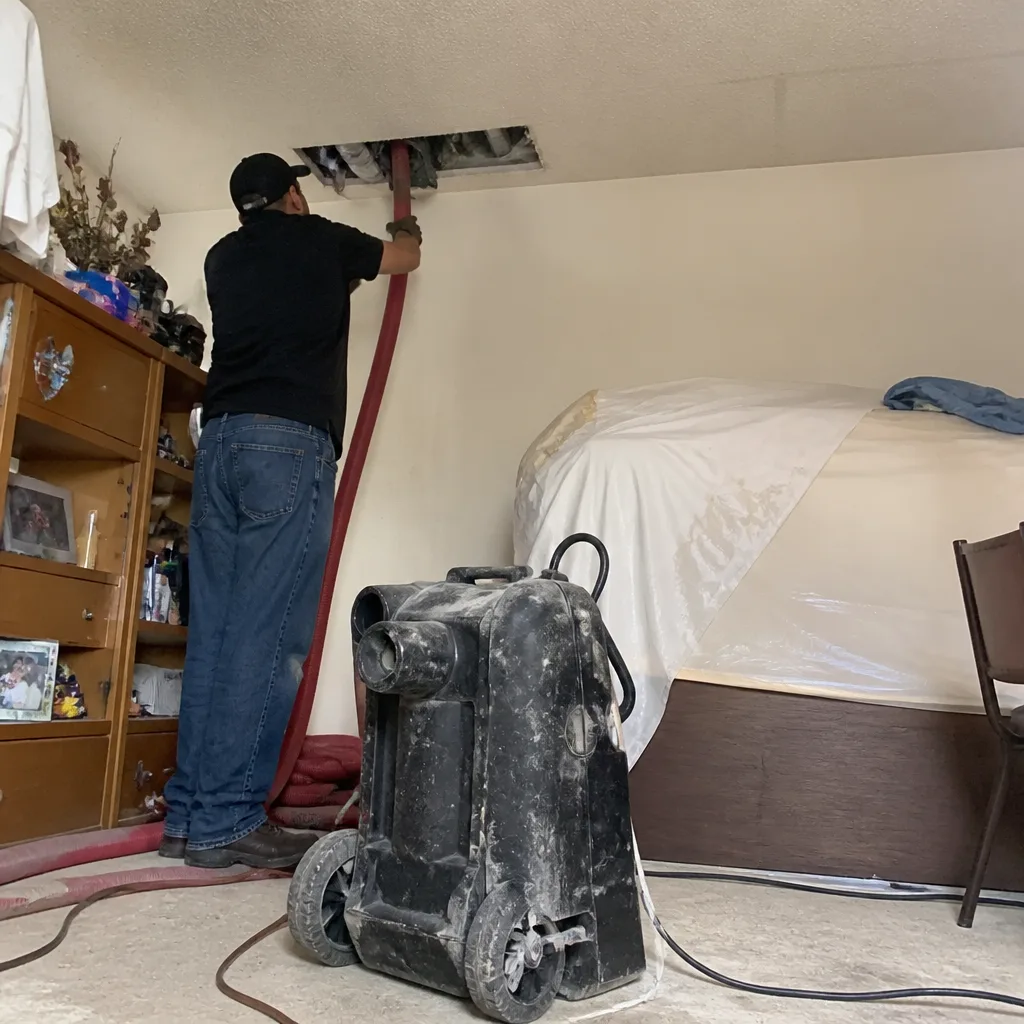
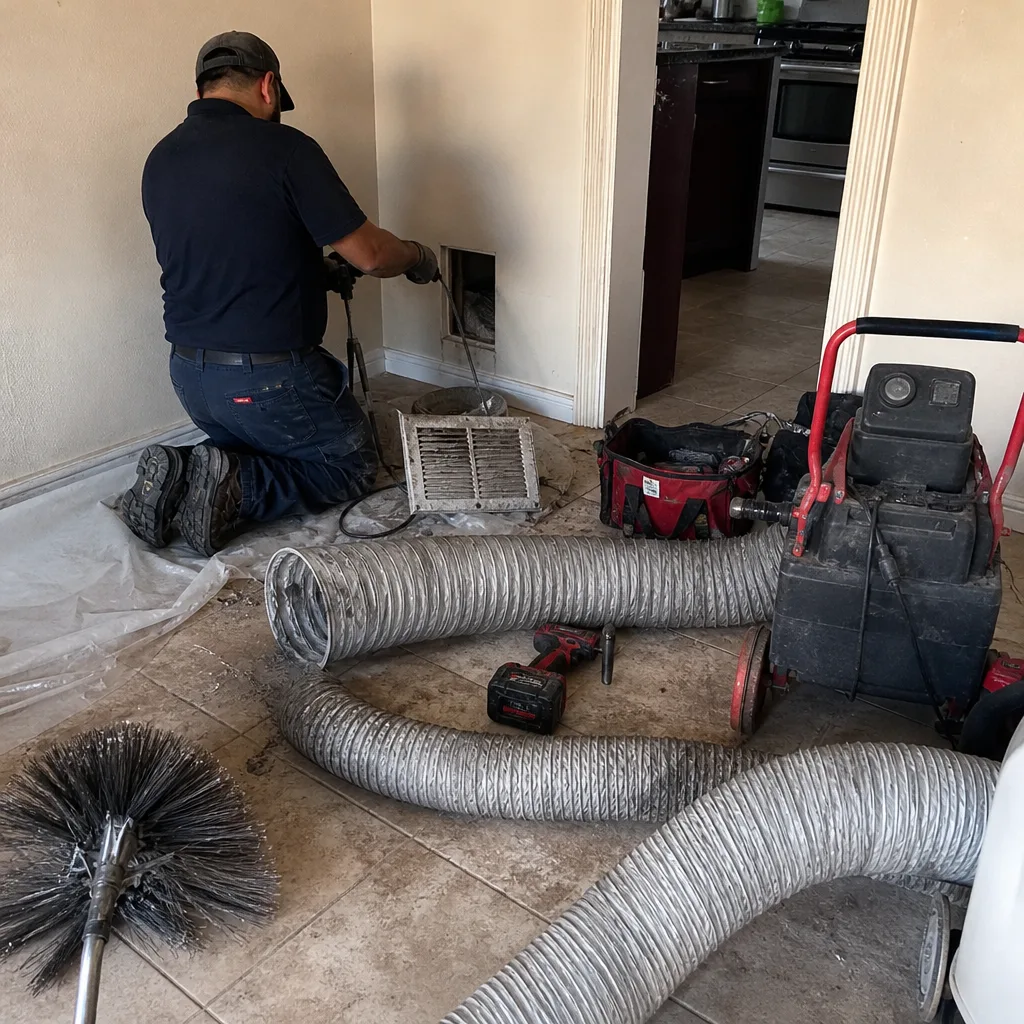
Whole-system duct and dryer vent check with before-and-after photos - you see exactly what came out of your vents
That "$99 whole-house special" is a bait ad - the real number appears once they are in your hallway, or the "clean" is a shop-vac at the register. We photograph the inside of your ducts before and after instead.
Air Duct Cleaning Emergency Preparedness Guide for El Paso Homes
Most homeowners treat duct cleaning as routine housekeeping, something to schedule when the dust gets visible or the filter looks grim. That framing misses the real risk in El Paso. Here, the biggest threat to your duct system isn’t slow accumulation over years. It’s a single event: a haboob rolling through the valley, a smoke plume drifting in from a border-region fire, a dust inversion that sits over the city for days. Each of those can push more particulate into your return air intakes in a few hours than ordinary living does in months. This guide gives you a decision tree for those events, not another generic checklist. You’ll learn when to shut the system down, how to assess the aftermath, and how to know when to call for professional air duct cleaning in El Paso.
Quick Answer
If a dust storm, wildfire smoke event, or dust inversion hits El Paso, shut off your HVAC system during the active event if you can, then assess your ducts afterward with a flashlight, a smell check, and an airflow comparison before deciding whether you need professional cleaning. Fine particulate that a filter can’t hold gets pushed into the duct interior, and smoke contamination needs a different response than ordinary dust intrusion. When in doubt, a professional assessment settles it faster than guessing.
Styles & brands we work with
- Whole-home duct cleaning
- Dryer vent cleaning
- Camera inspection
- Sanitizing & deodorizing
Table of Contents
- The 20-Minute Rule: When to Shut Down Your HVAC During a Dust Event
- The Post-Haboob Duct Assessment Protocol
- Wildfire Smoke Events: A Different Kind of Contamination
- How to Document an Emergency Contamination Event
- Emergency Filter Stocking for El Paso Conditions
- When Cleaning Isn’t Enough: Duct Repair After Severe Events
- Dryer Vents: The Everyday Fire Risk Dust Events Make Worse
- Common Mistakes to Avoid
The 20-Minute Rule: When to Shut Down Your HVAC During a Dust Event
When a haboob is bearing down on El Paso, you have roughly 20 minutes between the visible wall of dust on the horizon and the moment your return air intakes start pulling it in at full volume. That’s the decision window. Shutting the system off doesn’t just protect the filter; it stops the duct interior from becoming the filter. Here’s how to think through the tradeoff.
A typical residential HVAC system moves a large volume of air through the return every hour. During a dust event, that air is dense with fine particulate – the kind that slips past standard filters once they’ve loaded up. Once a filter reaches capacity, the overflow goes somewhere, and that somewhere is the duct interior, the blower compartment, and the evaporator coil. Cleaning all three afterward costs more than a filter change, and the ductwork is the hardest to fully restore.
What Shutting Down Prevents
- Rapid filter loading that pushes overflow debris past the filter into the duct interior
- Coating of the evaporator coil, which reduces cooling efficiency and can lead to musty odors once moisture returns to the system
- Distribution of fine dust to every room through the supply registers
- A blower compartment that becomes a reservoir of settled particulate long after the storm passes
What Shutting Down Costs You
Comfort, mostly. During an El Paso dust event, the outdoor temperature is often high, and a system shut down for several hours means the indoor temperature climbs. If you have household members with respiratory sensitivity, the tradeoff usually favors shutting down. If the event is brief and the dust load is light, running the system with a fresh filter may be reasonable. The judgment call is yours, but the point is to make it deliberately rather than by default.
Set a reminder on your phone when the wind picks up. The dust wall is visible well before it arrives, and 20 minutes is enough time to shut the system down, close windows, and confirm your filter is seated properly. If you’re not home when an event hits, check the filter within a day of returning and assess the ducts before you assume everything is fine.
The Post-Haboob Duct Assessment Protocol
Once a dust event passes, the question is whether your ducts need professional attention or whether a filter change will do. You can make that call yourself with three checks that don’t require tools or risk. Do them in this order, and note what you find.
- Flashlight inspection at the registers. Remove a supply register in the room you use most and shine a light into the duct. Look for visible dust coating the duct walls, not just a faint film. Also check the return air grille; if the grille face is caked after a single event, the duct behind it likely loaded too.
- The smell check. Stand near a supply register when the system first turns on after the event. A musty, earthy, or smoky smell that wasn’t there before suggests particulate has settled into the duct and is now being distributed. A neutral scent means the filter did its job.
- Airflow comparison. Hold a tissue or your hand at a supply register and compare the flow to what you remember before the event. Weak flow at multiple registers can indicate a loaded filter, a blocked return, or a duct that’s partially compromised.
If all three checks come back clean, change the filter and move on. If any one of them flags a problem, that’s your signal to call for a professional assessment. We’ve seen a lot of post-haboob systems in El Paso, and the pattern is consistent: the duct interior is usually worse than the register face suggests, especially on homes with older flex duct or a return path that runs through a hot attic.
What a Professional Assessment Adds
A trained eye can see what a flashlight at the register can’t. Using a camera at the plenum and a negative-pressure setup, a technician can check the main trunk and branches for settled debris, look at the evaporator coil face for coating, and confirm whether the filter housing is sealing properly. That last point matters: a filter that’s seated poorly during a dust event lets particulate bypass it entirely, and you won’t know by looking at the filter alone.
Wildfire Smoke Events: A Different Kind of Contamination
Dust and smoke are not the same problem, and treating them identically leads to under-cleaning. Wildfire smoke drifting into El Paso from fires in the Borderland region, including areas of New Mexico and Chihuahua, carries fine particulate and volatile organic compounds that behave differently from mineral dust. Smoke that enters a return air intake can leave an odor signature in the duct lining and on the coil that a standard filter change won’t remove.
Here’s what makes smoke events distinct:
- Particle size. Smoke particulate is finer than most dust, and it penetrates deeper into fibrous duct lining and coil fins. A standard filter catches some of it, but the fraction that passes leaves odor and residue.
- Odor persistence. Unlike dust, smoke odor can linger for weeks if it’s adsorbed into duct surfaces. A smoker who’s dealt with it knows: the smell doesn’t fade on its own once it’s in the system.
- Residue on the coil. Smoke residue on the evaporator coil can combine with moisture and create a sticky film that holds future dust, which then feeds microbial growth. That’s a coil cleaning item, not a duct cleaning item, but the two often go together.
If your home took in smoke during an event, the response is a thorough cleaning that includes coil inspection and possibly a filtration upgrade. A consumer-grade filter won’t do much once smoke has already entered. If you’re upgrading after a smoke event, this is where familiarity with Honeywell and Aprilaire filtration products matters. A higher-MERV media filter installed in a properly sealed housing reduces the next event’s intrusion significantly. Our technicians have up to 10 years of experience assessing exactly this kind of system-level interaction, and we don’t treat cleaning as the whole answer when filtration and sealing are part of the picture.
How to Document an Emergency Contamination Event for Insurance Purposes
If a dust or smoke event is tied to a declared weather emergency, some of the resulting restoration work may be covered by homeowner’s insurance. Whether it’s covered depends on your policy and on the quality of your documentation. The time to document is during and immediately after the event, not weeks later when the evidence has been cleaned away.
Here’s a practical documentation sequence:
- Capture the event in real time. Take timestamped photos or video of the dust wall or smoke plume from your property, and note the date and time. A local news timestamp works as a reference point; keep a screenshot.
- Photograph the intake side before cleaning. Take clear photos of the return air grille and the filter as it looked after the event, before you change anything. A loaded filter is evidence of particulate loading.
- Save the filter. If the filter is visibly caked, bag it and keep it until your claim is settled. It’s physical proof of what the system took in.
- Get a written assessment before the work. A professional assessment that notes visible debris, coil condition, and recommended service in writing carries more weight with an adjuster than a verbal quote. Ask for it before any cleaning starts.
- Keep a repair log. Any cleaning or duct repair work associated with the event should be documented with dates, scope, and photos of the before-and-after condition of the ducts.
Insurance outcomes vary by policy and by adjuster, so we don’t promise coverage. What we can do is make the documentation side of the job clean. If you’re filing a claim after an El Paso dust or smoke event, ask for a written scope from whoever assesses the system, and keep before-and-after photos of the duct interior. Those are the records adjusters ask for.
Emergency Filter Stocking for El Paso Conditions
After a major dust event, local filter supplies can run short for a few days, and a system running without a filter is worse than a system running with a dirty one. The fix is simple: keep a small reserve on hand and know which filter you need before you need it.
Here’s what to stock and how to store it:
- Two to four spare filters in your exact size. Check the filter housing for the size printed on the current filter, and buy the same size and thickness. A filter that’s the wrong thickness won’t seal and can let air bypass it.
- A MERV 8 to MERV 11 reserve for daily use. This range handles typical El Paso dust without overloading a residential blower. Higher-MERV filters can be harder on airflow in some systems, so if you’re considering MERV 13 or higher, confirm your blower can handle the pressure drop first.
- A MERV 13 or higher filter for smoke events. Keep one on hand specifically for wildfire smoke periods. It’s not meant for year-round use in every system, but it’s the right tool for a smoke event and worth having accessible when you need it.
- Storage that keeps them dry and flat. Filters stored on edge or in a humid garage can warp or collect dust. Store them flat, in a sealed bag, in a closet or interior space.
- A dated note on the housing. Write the install date on the filter frame with a marker so you know how long it’s been in service.
The goal isn’t to hoard filters; it’s to have enough on hand that a dust event doesn’t force you to run the system without one. A short reserve is the difference between a five-minute filter change and a week of a system pulling unfiltered air.
When Cleaning Isn’t Enough: Duct Repair After Severe Events
Severe dust and smoke events don’t just load duct interiors; they expose failing ductwork you may not have noticed before. Loose joints, disconnected flex runs, crushed sections, and torn duct insulation all become visible problems when debris starts showing up where the duct should be sealed. That’s where cleaning alone falls short, and where our ability to offer air duct repair as a standalone service matters.
Common post-event findings include:
- Disconnected flex duct at a branch takeoff, which lets attic dust pour into the supply path
- Crushed or kinked flex runs that restrict airflow and trap debris in the low spot
- Failed mastic or tape at trunk joints, which opens a gap for particulates to enter
- Torn insulation on duct runs in a hot attic, which raises supply air temperature and stresses the system
If the assessment turns up any of these, the right sequence is repair then clean, or repair and clean in the same visit. Cleaning a duct that’s still disconnected from the system is wasted effort. That’s a big part of why we’re not a cleaning-only shop: sealing, reconnecting, and restoring damaged ductwork is the logical next step when the diagnostic cleaning reveals a problem. When a return path has been pulling unfiltered air from an attic or garage for years, the repair is the fix and the cleaning is the cleanup.
Dryer Vents: The Everyday Fire Risk Dust Events Make Worse
Dust events don’t cause dryer vent fires, but they can accelerate lint accumulation around the vent run, and that’s worth addressing in any emergency preparedness conversation. Lint-impacted dryer vents are a leading cause of residential fires, and the full vent run matters, not just the lint trap. A vent that’s partially blocked already will get worse faster during a period when household dust is elevated and more laundry gets run.
What to check:
- Drying time. Clothes that take longer than usual to dry, or a dryer that’s hot to the touch on the outside, are warning signs.
- The exterior vent flap. It should open fully when the dryer runs and close when it stops. A flap that stays closed or barely moves suggests a partial blockage.
- The full run, not just the trap. Lint accumulates in the duct run beyond the trap, and that’s the segment the fire risk lives in.
Dryer vent cleaning is a fire-safety service, and we treat it that way. When we run dryer vent cleaning in El Paso, we address the full vent run rather than just the visible segment near the dryer. If you’ve been ignoring the vent because the lint trap looks fine, that’s the most common blind spot we see.
Common Mistakes to Avoid
- Running the HVAC through a dust event on the assumption the filter will catch everything. Once the filter loads to capacity, the overflow goes into the duct interior. Shut the system down or accept that the cleaning bill will be larger.
- Judging duct condition by the register face alone. A clean-looking register can hide a loaded duct behind it. Use the flashlight, smell, and airflow checks together.
- Treating a smoke event like a dust event. Smoke leaves odor and residue that ordinary dust removal doesn’t address. If the smell lingers, the fix involves coil inspection and filtration, not just a duct scrub.
- Skipping documentation before cleaning. If you might file a claim, photograph the filter and grille before you touch anything. Cleaned-away evidence is hard to replace.
- Buying the cheapest, thinnest filter for post-event use. A filter that doesn’t seal in the housing lets air bypass it entirely, which defeats the purpose. Buy the correct size and thickness.
- Cleaning a duct system that has a disconnected or crushed run. The debris comes right back. Repair first, then clean, or handle both in the same visit.
- Forgetting the dryer vent during a heavy dust period. The full vent run accumulates lint regardless of the filter situation, and lint-loaded vents are a fire risk, not a nuisance.
See the difference
 Before
 After
 Before
 After
 Before
 After
When to Call a Professional
Call a professional when the post-event assessment turns up visible coating in the duct interior, a persistent smell at the registers, or airflow that doesn’t recover after a filter change. Call if the return air grille is caked after a single event, or if you can see dust blowing from a supply register when the system starts. Call if smoke odor lingers more than a week after a fire event, if you’re filing an insurance claim and need a written scope, or if your ductwork is older flex and you suspect a disconnected run. And call if you’d rather not guess: an assessment costs nothing and settles the question faster than another filter change. Duct Cleaning El Paso offers free estimates in El Paso. Call (866) 942-6158. We answer 24/7, with fast dispatch from 7am to 7pm, Sunday through Friday.
Frequently Asked Questions
Get them assessed within a few days of the event, and clean within a week or two if the assessment shows loading. Waiting longer lets settled debris get redistributed through normal system cycling, and the coil can start holding residue that makes the eventual job larger. Call (866) 942-6158 for an exact quote; estimates are free.
It’s priced per system by estimate after an assessment, not per vent, because the scope depends on the layout, the number of branches, and what the assessment finds. We agree one flat price per system before any work starts, so the written estimate is what you pay. Many homeowners’ real worry is a low advertised price that grows once the technician is on site; our answer is a written scope and before-and-after photos of your own ducts. Call (866) 942-6158 for an exact quote; estimates are free.
Sometimes that’s enough, but only if the assessment checks come back clean. Change the filter first, then run the flashlight, smell, and airflow checks. If all three are clean, you’re likely fine. If any one flags a problem, the duct interior needs attention that a filter change can’t provide.
Cheap quotes usually reflect a narrower scope: vacuum-only cleaning that disturbs debris without physically dislodging it from the duct walls, or a per-vent price that doesn’t cover the full system. We use rotary-brush equipment that scrubs the duct walls and negative-pressure capture that keeps debris out of your living space. Call (866) 942-6158 for an exact quote; estimates are free.
Ask for before-and-after photos of your own duct interior, taken during the job. That’s the simplest proof, and it’s standard for us to provide on every job. A company that can’t show you the condition of your ducts before and after is asking you to take the work on faith.
For a typical home, every few years is reasonable, but El Paso’s dust events reset the clock. If you’ve been through a major haboob or a smoke event and the assessment flags loading, clean then rather than waiting for the calendar interval. The event, not the schedule, should drive the decision.
The Bottom Line
Duct problems in El Paso are event-driven as much as they are age-driven. A single haboob, a smoke plume from a border-region fire, or a multi-day dust inversion can load a duct system faster than years of ordinary use. The protocol is straightforward: shut the system down during the event if you can, assess afterward with a flashlight, smell, and airflow check, document before you clean if a claim is possible, keep a filter reserve on hand, and repair compromised ductwork before cleaning it. When the assessment says the duct interior needs professional work, that’s the moment to call. Duct Cleaning El Paso offers free estimates. Call (866) 942-6158. We answer 24/7, with fast dispatch from 7am to 7pm, Sunday through Friday.
Written by the team at Duct Cleaning El Paso.